
In 2020-21, the Government of India launched Phase II of the Swachh Bharat Mission – Gramin, to be implemented by the Ministry of Jal Shakti, until 2024-25. The key objective was to sustain the Open Defecation Free (ODF) status of villages and improve the levels of cleanliness through solid and liquid waste management activities. The mission directed much-needed resources and attention towards the long-ignored and growing problem of rural waste management. However, even after the completion of the implementation period, the goal of sustainable rural waste management is far from met.
While waste management is challenging everywhere, peri-urban villages, or villages located very close to cities, face a unique problem. Their governance systems are rural, but their consumption practices are urban. Therefore, they produce large amounts of waste while lacking systems for managing waste.
Many of these face a problem of sustainably managing the growing amounts of waste in accordance with the government’s Solid Waste Management Rules, 2016. Much of the waste is dumped or burnt openly. Diseases like asthma, bronchitis, skin infections and even cancer are common among those who are forced to breathe the toxic fumes from burning garbage dumps.
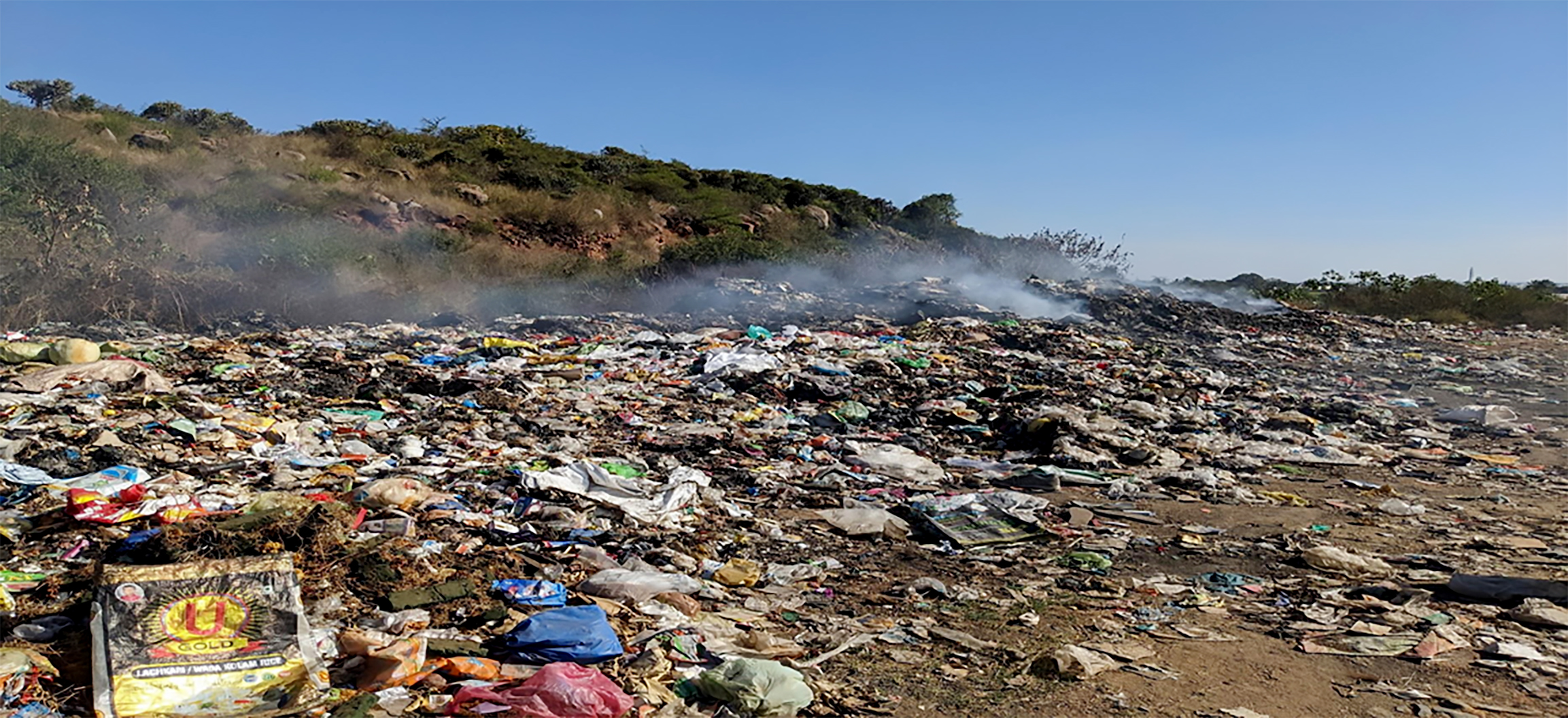
This was the situation in Billapura Panchayat (Anekal taluk, Bengaluru) and in 2023, they partnered with Azim Premji University and Hasiru Dala (an NGO working with waste workers towards a life of dignity) to set up a new community-centred model of inclusive and sustainable solid waste management. The focus was for the community to ensure waste minimisation and segregation, and the Panchayat to guarantee inclusion, segregated waste collection and decentralised recycling.
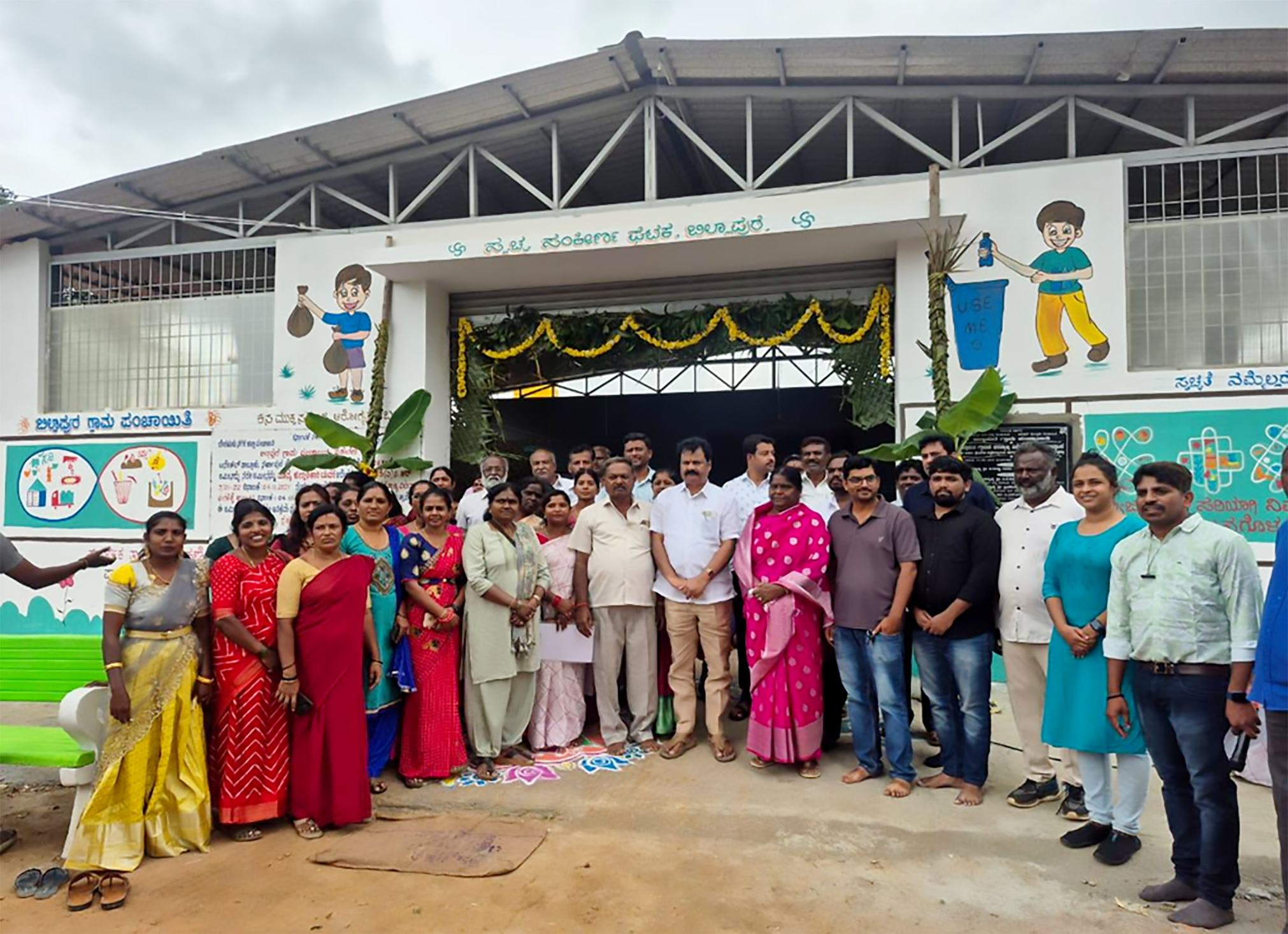
As part of this initiative, the Panchayat set up a model Zero Waste Centre (ZWC) with unique design features for processing wet and dry waste. For instance, the Dry Waste Collection Centre (DWCC) has been constructed using Recycled Multi-Layered Plastic (MLP) sheets. Thus, the centre makes use of plastic waste which would otherwise end up in landfills and cause harm to human and environmental health. Sheets made from MLP are also highly insulating, thereby ensuring that temperatures inside the DWCC remain cool and comfortable for the workers inside.
The centre has uniquely designed aerobic composters. Aligned with the principle of nature-based solutions, they are extremely low-cost, low-tech, easy-to-use composters with a large capacity and (unlike most other modern composters) can compost all kinds of organic waste, including tree branches, bones, coconut shells, human and animal hair. This reduces the effort and energy required for composting and ensures its sustainability.
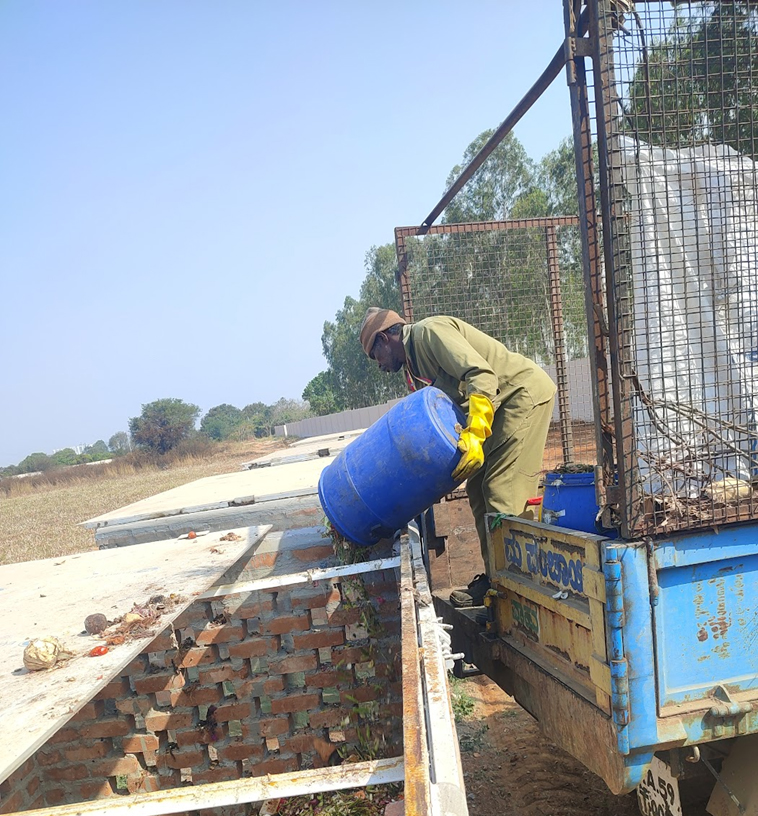
The compost prepared at the plant is being used to grow a food forest at the ZWC. This will ensure that the ZWC is green and beautiful for the workers and visitors, and they have access to fresh seasonal fruits and vegetables, grown on the soil enriched with this compost. The Panchayat has also tried to break gender norms and empower women by ensuring the waste collection vehicle is being driven by a woman SHG member.
Sanitary Pads
There was also the problem of the disposal of sanitary pads and the growing sanitary waste. To address this, women in the panchayat are being supported to transition to sustainable reusable menstrual products, such as menstrual cups and reusable pads. These products are not only better for the environment but also for women’s health and the health and safety of waste workers who do not have to handle unhygienic and unsafe menstrual waste.
In order to streamline all these operations and ensure efficiency in waste collection, segregation and recycling, GreenPathOrg app is being used. It is a digital waste management platform connecting households, collectors, and administrators through QR codes, mobile apps, and real-time tracking, ensuring transparency and accountability.
Also, waste workers were provided with Personal Protective Equipment (PPE) kits to protect them while ensuring they are comfortable, able to carry out their work efficiently and feel a sense of dignity and respect while wearing the kits.
In the two years since the launch of this initiative, the panchayat has achieved nearly 90% source segregation of waste. Nearly all the organic waste generated in the panchayat is being composted.
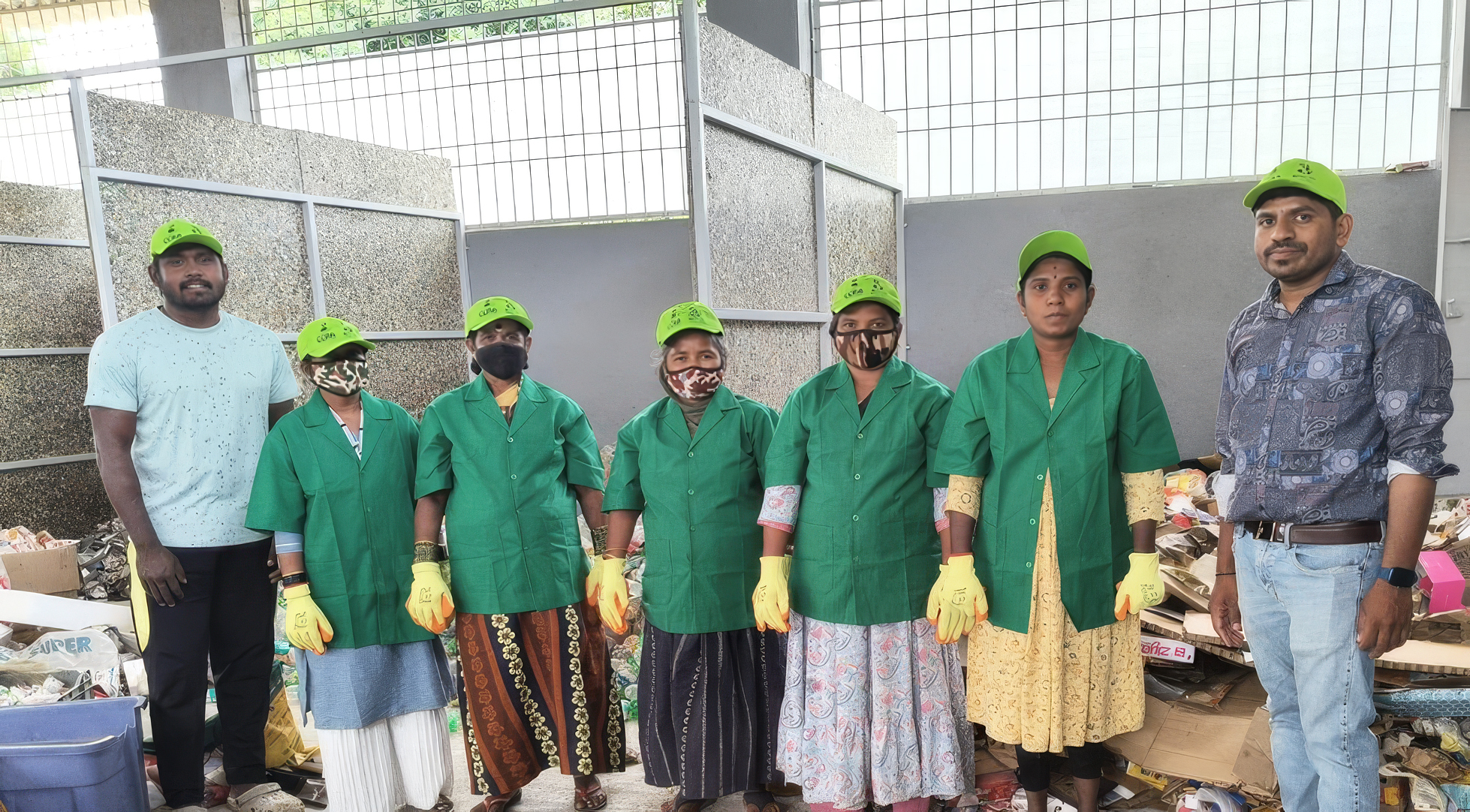
Apartment complexes around are also realising that their waste is their responsibility and are starting waste composting. Over 220 women have chosen to minimise menstrual waste and make use of sustainable menstrual cups and cloth pads, rather than disposable pads. Rather than ending up in mounting landfills, the waste now provides decent livelihoods to local women and compost, which promotes biodiversity and food security for all.

Over the last year, eight neighbouring panchayats, with a population of nearly 1.5 lakh people, have joined hands with the University and Hasiru Dala to move towards sustainable waste management. The Billapura model should inspire peri-urban panchayats across India to follow the path of decentralised, sustainable and inclusive waste management.
The views and opinions expressed in this article are those of the author and do not necessarily reflect the views or the positions of the organisation they represent.