
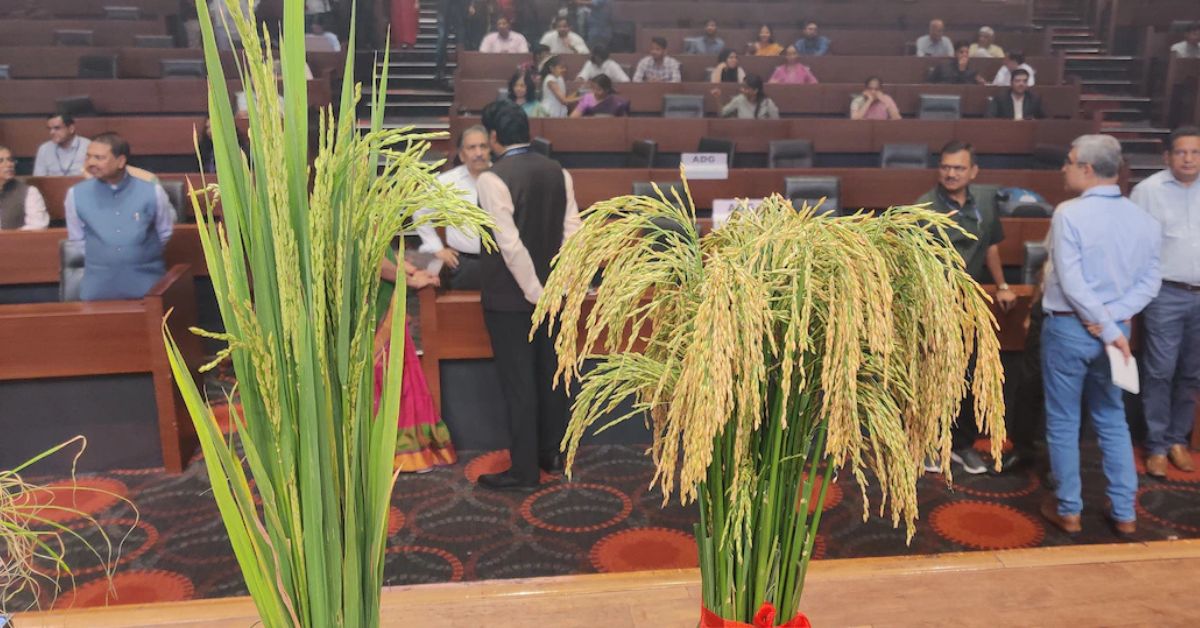
These varieties are designed to be more resilient to the impacts of climate change, including drought and salinity. They are expected to increase per-hectare yields by up to 30%. Shorter maturity times and reduced water requirements contribute to water conservation. The development of these varieties is a significant step for India’s sustainable agricultural path.
The Indian government allocated ₹500 crores in the 2023-24 budget for genome editing in agricultural crops. The new varieties are being developed primarily in Andhra Pradesh, Telangana, and Karnataka.
Key Features and Benefits
- DRR Dhan 100 (Kamala):
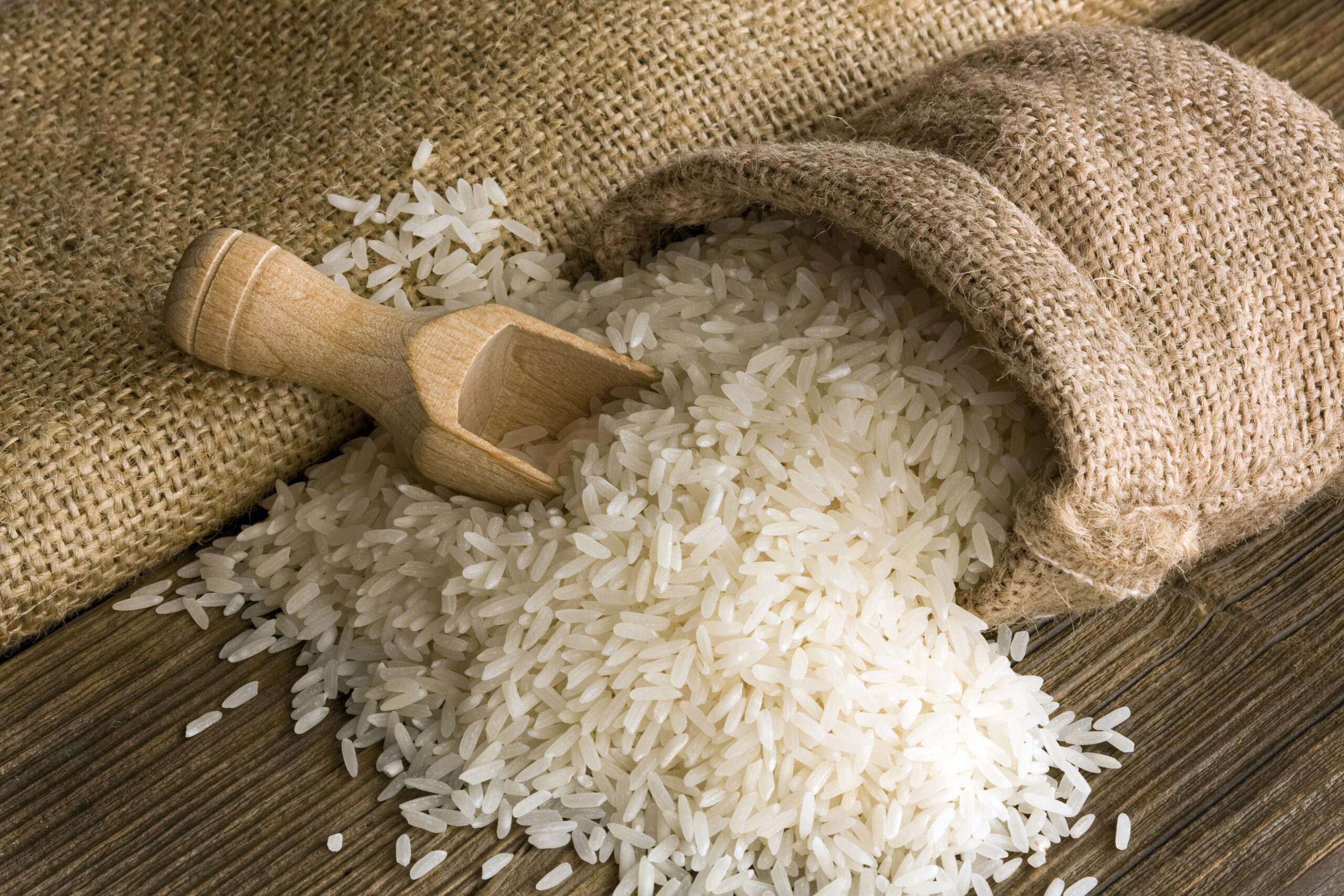
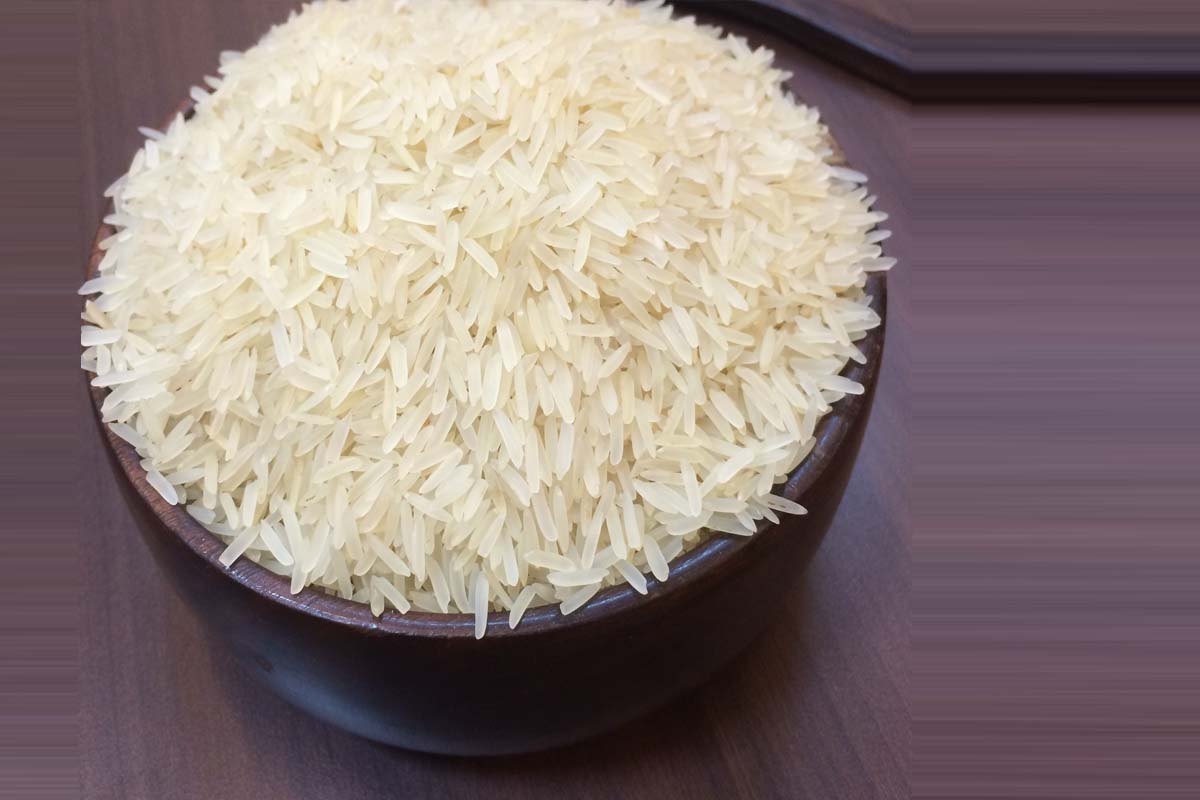
Developed by ICAR-IIRR, this variety is based on Samba Mahsuri (BPT 5204) and matures 20 days earlier, potentially saving water and reducing methane emissions. It also boasts a strong stalk and similar rice quality to Samba Mahsuri. - Pusa DST Rice 1:
Developed by ICAR-IARI, this variety is tolerant to salinity and alkalinity, with the potential to increase yields by up to 30.4% in such conditions. - Genome Editing:
Both varieties are developed using CRISPR-Cas9 technology, a method for precise gene editing, rather than traditional genetic modification. It reduces methane emissions from rice cultivation.
Are GE Crops Safe?
Scientists say GE crops pose a marginal risk to human health and the environment. However, the Coalition for GM-Free India has criticised the deregulation of GE techniques, whereas GM (genetically modified) is highly regulated. They contend that the two varieties were released without any safety assessment.
The good news is that GE techniques could also improve the yield and climate impact of other crops, especially pulses and oilseeds.