
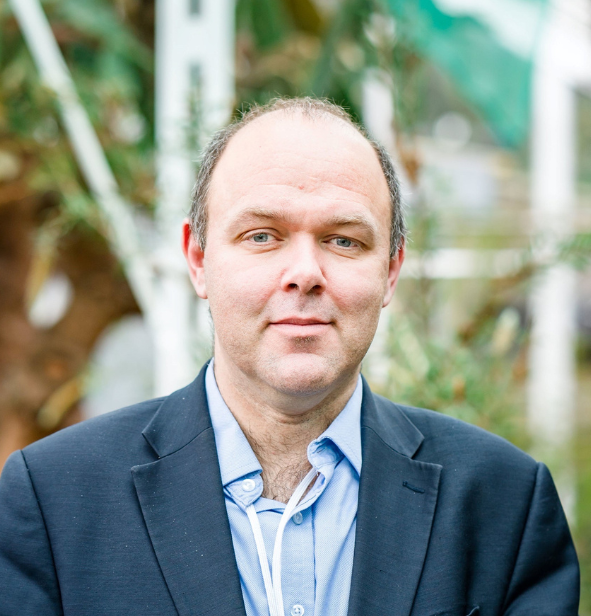
Edited excerpts of his chat with Benedict Paramanand, Editor of SustainabilityNext on the sidelines of his visit to Mumbai Climate Week. SBTi is a global corporate climate action organisation that enables companies and financial institutions to set science-based greenhouse gas emissions targets, aiming to limit global warming to 1.5C by 2050.
David, you joined SBTi only 10 months ago. You are a global climate leader with experience in multiple capacities. Are US companies taking their commitments to climate change easy considering that their president is rolling back most of the climate change laws?
It is just the opposite. We haven’t seen companies leaving our framework in the US in the last year. We’ve seen a lot of growth. We actually had a record year for targets submitted. We had a record month at the end of that year and the biggest country in terms of companies submitting targets of validation was the US.
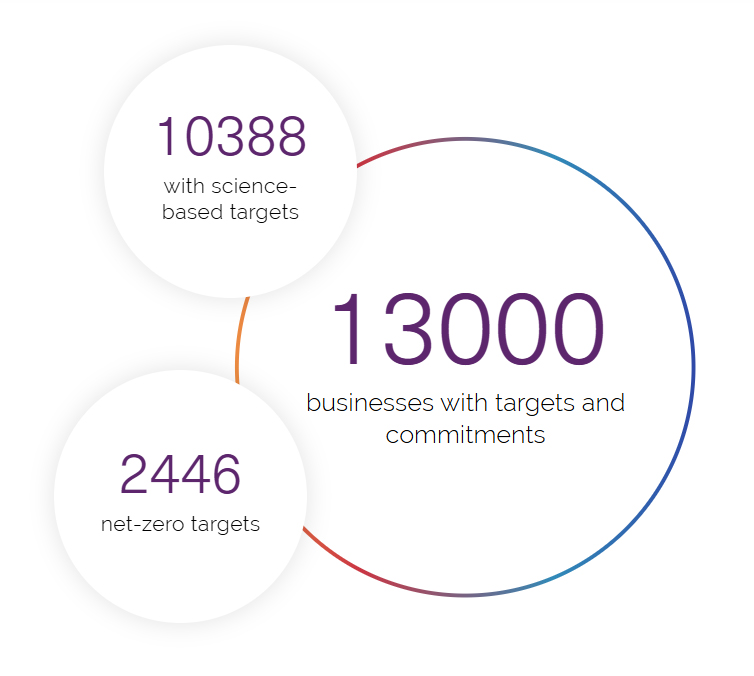
Right now 10,000 companies work with SBTI. We cover 40% of global market capitalization. We cover 30% of the global greenhouse gas footprint. We work with 1,000 companies, thereabouts in the US.
The short term situation in the US, who knows what’s going to happen beyond the next three years, but that doesn’t change the business case and it doesn’t change what companies are doing.
Welcome to India and to the Mumbai Climate Week. What is your agenda?
India is the fourth largest economy in the world, fast growing, but also lots of innovative things are happening here from the carbon perspective. Of the 10,000 companies globally 500 of those are from India. We want to grow that in order that we can support the net zero transition here and we can enhance our impact.
I’ve come to India to learn. We need to understand the context. We need to understand how we can design our framework and build relationships.
So you said 500 companies already signed up to SBTI in India
Yes. So we’ve got 500. We’ve got some of the big companies. So Mahindra has been a big champion of SBTI signing targets for many of the companies in the group. We’ve met many of the big players at the most senior level. We see a strong sense of priority for green transition among corporates in India.
So where do you see this potential of 500 growing in the next three years, three to five years?
I wouldn’t put a number on it. There is a significant growth opportunity and the companies who should be part of our framework would be in the power, buildings, automotive, consumer goods, retailers and others. The whole range of the hard-to-abate sectors like steel and cement. We are looking at the aviation and shipping sectors as well. Financial institutions is another area that we want to grow as well.
If companies would sign up for SBTI it would help them access lower cost finance and that requires the financial institutions to be in their space as well.

When you took over as CEO of SBTI, what were the three big challenges that you were faced with and how are you addressing them?
I’ve been around for about 10 months. I spent a lot of that time just talking to people, learning about the organization from inside and outside. But there are some clear directions of travel and we will be putting our new strategy out in the next couple of months.
Why do you need a new strategy?
We’ve made a great start in the first 10 years of SBTI. As I say, we’ve grown, we’ve got companies to sign up. That’s got to focus on its catalyzed action. I think in the next phase, we need to move from setting ambition to action, working with companies and partner organizations on that.
That’s partly how we design our standards and those have to be closer to the actions that companies need to take. We will focus more on implementation. So what happens after you’ve set targets, we will work with companies to get a better understanding of that and try to support implementation.
And then there is growth in Asia, and in particular the growth in India is an important part of our strategy. I think the fourth element will be strengthening of partnerships. There are many organizations, different approaches out there. It can be confusing to companies when they look at all the different actors. There’s a job for us to do, joining up, being interoperable, which means that the approaches have to sync with each other.
Do you get a sense that companies are struggling because they have to straddle between SBTI, NET-Zero and ESG compliance?
So this is the point about interoperability. We can’t have companies who need to work on five different systems. It is burdensome, it’s confusing, it’s unnecessary. Actually, there is a golden thread that runs from greenhouse gas protocol through to the accounting standards bodies, so that’s GRI and ISSP. Then through to the regulations, for example, the EU CSRD. I think there is another thing that a lot of people are asking now. What about joining up with other standards?
I think one of the challenges Indian companies face is not enough people with skills to execute this to enable SBTI in their organizations. Is there a way that you have a support system where you can upscale people?
Of course there can be capability building. Actually I’ve been here over a week now and I have met people who have deep insight into our framework but also into the Net Zero transition. I’ve been so impressed and inspired by the people I’ve met and they talk with a level of technical competence that matches anywhere else in the world. To answer your question directly, we do have a capability building program. We accredited people with SBTI and it’s been a great success.
There’s this other controversy about carbon offsets. So what’s your take on that carbon offsets as part of the meeting the SBTI targets?
So we’ve set out a draft position. We’ve consulted widely on the use of high integrity carbon credits. And here’s the position, which is companies need to reduce their own carbon footprint in their operations That is the core of our framework. But equally, there is a need to develop markets for high integrity carbon credits because we need finance to flow both for emissions reductions and removals.
And so we see a complementary role. We’ll have a voluntary recognition scheme for companies who want to engage in those markets. We will recognize that. I think that is our value to companies because it gives the seal of approval from SBTI that this is an important part of a holistic carbon strategy.
So the way that we have proposed and again, this is only in draft at the moment, it will be finalized over the next few weeks. But we tell companies to set their own targets to reduce their carbon footprint and we have a framework for that.
You will have ongoing emissions as a consequence and then you can choose to address those or take responsibility for those ongoing emissions at different levels.
So you could choose at low levels, you could choose intermediate, we could choose the highest level, which is taking responsibility for 100% of your ongoing emissions. So that will be a choice for companies in time? We may mandate that, but we are running a voluntary approach in the first instance.
If you want to get in the medium and small companies into SBTI, can you have or could you think of a version called SBTI Lite?
Yes is the answer. We have many SMEs that have validated targets. The requirements are lighter for SMEs. I think it’s important as well. We are developing a pathway for SMEs to join that. They have to make initial commitments and then come on board with SBTI as a developer.