
Boyan Slat, Ocean Cleanup’s 31-year old inventor and entrepreneur, is going around the world to speed up his dream project that started in 2013. Several 30 Cities projects have started but with better financial backing, they can become more efficient.
Boyan was in Mumbai recently to finalize the Mumbai version of the 30 Cities Program. While chatting with Benedict Paramanand, Editor of SustainabilityNext, he joked that Mumbai has a lot of poverty and also a lot of wealth. Hopefully the wealthy would come forward to support this project.
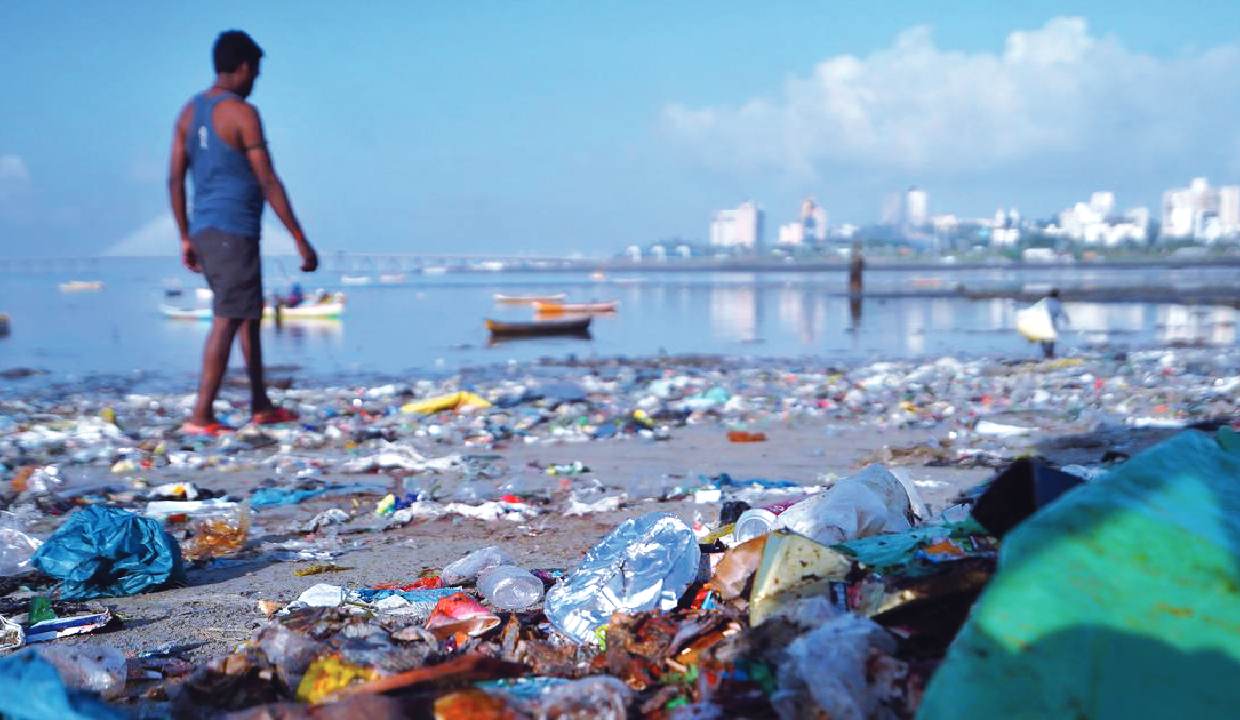
The Ocean Cleanup has partnered with the Municipal Corporation of Great Mumbai and the Maharashtra Pollution Control Board. Very soon the plastic-trapping barriers will be installed in most of the 10 rivers that flow into the Arabian Sea. These barriers are expected to stop a majority of estimated 5 million kgs of plastic entering the sea in a year.
Compared to the other 30 Cities Program, the Ocean Cleanup has a unique problem and also an opportunity at the same time in Mumbai. The ten rivers that snake through the city unload tons of the city’s plastic every day into the Arabian Sea and during high tides, the sea pushes plastic back into the rivers. Here, the project can collect plastic both ways.
He is happy that “they have received local funding for this project as well, which is pretty unique. We see a strong and high level of competence and willingness to work together in the government.”
Boyan is open to exploring working with other coastal cities like Kolkata and Chennai but his current focus is Mumbai.
New Technology
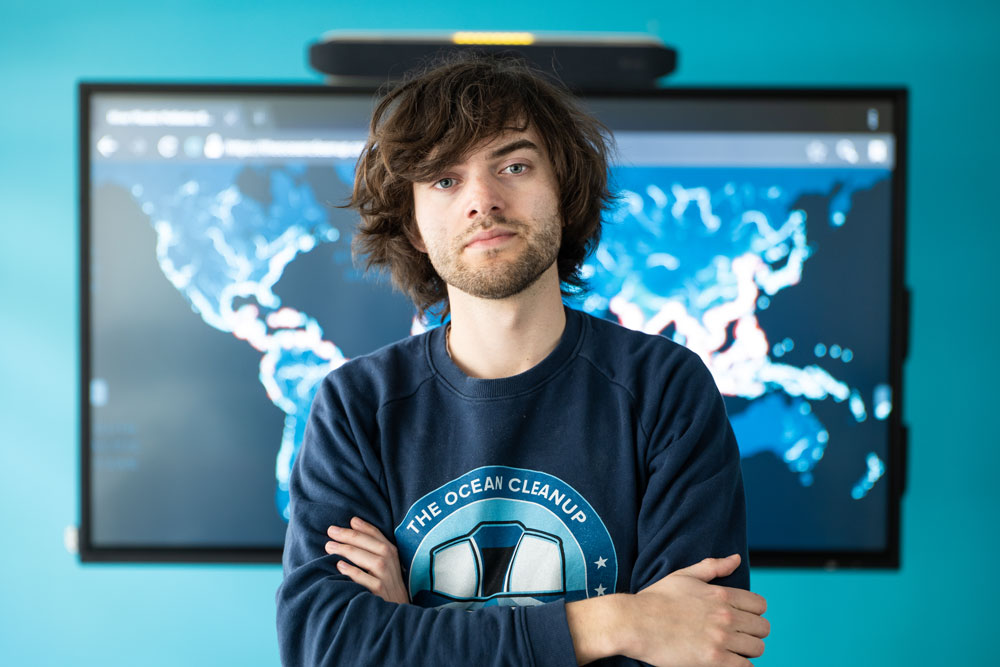
In over a decade, the plastic clean up project has mapped all the rivers and it is at the execution stage.
They know which rivers to deploy and what type of interceptors to deploy. The project is using AI cameras with GPS trackers to understand heavy plastic laden areas.
In the Pacific they attach cameras to ships that pass through the ocean and just continuously measure how much plastic is around them.
The program has innovated on the interceptors. From one type earlier, now they can customise the ones appropriate to the size of the river.
So what is your funding model?
Funding obviously is still a bottleneck. It’ll be a good fortune to welcome some new supporters. The 30 Cities project is not fully funded yet. They are banking on the support they initially received and hope it will grow.
“The challenge is finding companies and people who see the value in this and let them be part of this.”
So does the carbon credit, does it apply to you?
“No, not yet,” he says with dismay. There is a huge climate benefit from what we are doing for sure. But he feels the program is not at the level where they can be certified yet.
He is hopeful that they would be able to use the carbon credit to finance their projects. Even the plastic credit market is still small and has many challenges and is growing very slowly.
The Ocean Cleanup expects to cover all the 30 cities in the next three years and work between 150 and 300 rivers. “So, there’s still a lot to do. We’re just getting started really. From here on we need to rapidly scale up. From one deployment per quarter we want to get to a deployment per week,” he says confidently.