

Titled The Pulse Report 2025, the first-of-its-kind Sustainability Report of the coconut sector, offers a comprehensive roadmap to all stakeholders on how to address the current challenges and how to use creative solutions. It shows how to integrate sustainability principles into business as usual. If done well, it has a large potential to regenerate farms and preserve them for future generations to farm successfully.
The writers of the report are amused that when sustainability efforts across many agricultural products are booming and the demand for responsibly-produced goods is good, why is the coconut sector a laggard? This sector grapples with significant production challenges including low yield, poor labour conditions and low economic viability.
The SCP is a global platform for coconut sustainability and is a multi-stakeholder initiative aiming to build a responsible and resilient coconut sector that solves a generational challenge of sustainability for millions of coconut farmers.
Diagnosis
- Production stagnates while global demand accelerates.
- Farmer incomes remain among the lowest in agriculture, often below minimum wage thresholds.
- More than half of a farm’s yield potential is left on the field. 90% of the coconut trees are more than 30 years old.
- Structural issues such as debt, limited access to fair financing, and exploitative sharecropping arrangements further erode farmer income.
- Younger generations are turning away from farming due to the lack of economic opportunity. The sector is aging with most coconut farmers now between 52 and 55 years old.
- Most certification in the coconut industry is voluntary and covers less than 1% of market volumes highlighting staggeringly low industry participation.
The majority of coconut production and supply chains operate in lower-value markets, such as oil, desiccated coconut, and husk and shell products. These markets have remained largely disengaged, citing overly stringent criteria and standards that are poorly adapted to the unique challenges of the coconut sector, where there is little market pull or consumer demand for certification as coconut is more often an ingredient and not a final product.
“It’s sobering to note that a staggering 99% of coconut volumes traded still does not support sustainable farming practices, perpetuating cycles of poverty among farmers. Business as usual is keeping farmers in vicious cycles of poverty and drives the next generation away and the status quo underscores a critical need for market interventions that genuinely drive positive change.”
Gregory Bardies, Executive Director, Sustainable Coconut Partnership
Solutions
- Enabling farm prosperity through agronomic practices and regenerative agriculture replanting on coconut farms and degraded lands
- Using market powers and public private collaboration to work towards responsible rejuvenation
- Building verified and transparent supply chains using jurisdictional and landscape approaches
- National support plans and legal frameworks in leading coconut producing countries
- Increased Transparency and partnerships through the SCP Links
- Platform Tech-Powered Market Access & Digital Financial Empowerment Tools Grievance Mechanisms
This rejuvenation requires adoption of a number of interrelated practices, such as:
- The widespread adoption of improved varieties, particularly those which are early bearing and have high yield potential. Responsible application of fertiliser – organic, inorganic or a mixture – is crucial to ensure that coconut trees achieve their potential.
- Regenerative farming practices contribute to deeper regeneration of soil organic matter and soil health, such as the application of crop residues, compost and biochar to soils, growing cover crops and mulching.
- Effective water management techniques such as irrigation and mulching have shown to drastically improve yields and increase resilience to droughts. This is becoming very decisive in areas whereas rainfall is insufficient to meet crop water requirements,
- Integrated pest management (IPM) is also important to overcome critical threats such as the rhinoceros beetle and lethal yellowing disease.
Jurisdictional and Landscape Approach
The Pulse Report makes a bold suggestion. It advocates jurisdictional approaches instead of the common farm-level approach to tackle the coconut sector’s many challenges.
The jurisdictional approach aims to address the root causes of deforestation and other environmental and social issues by focusing on systemic changes within an entire region or jurisdictions (e.g., provinces, states).
This differs from the more common farm-level certification approach, which can be challenging to scale and may not address broader systemic-level issues. By focusing on entire areas and focusing on improvement of supply chains and farming as opposed to single supply chains and limited focus, jurisdictional approaches can address socio-economic and environmental issues more holistically in conditions like the ones of coconut. They can also help to protect critical ecosystems and ensure the long-term sustainability of natural resources.
a
India – Good Strategy, Little Impact
Like the SE Asian nations, India has several projects and plans to support the coconut sector. But the funds allocated are so meagre that it can hardly tackle the massive problem of low yield, and high demand.
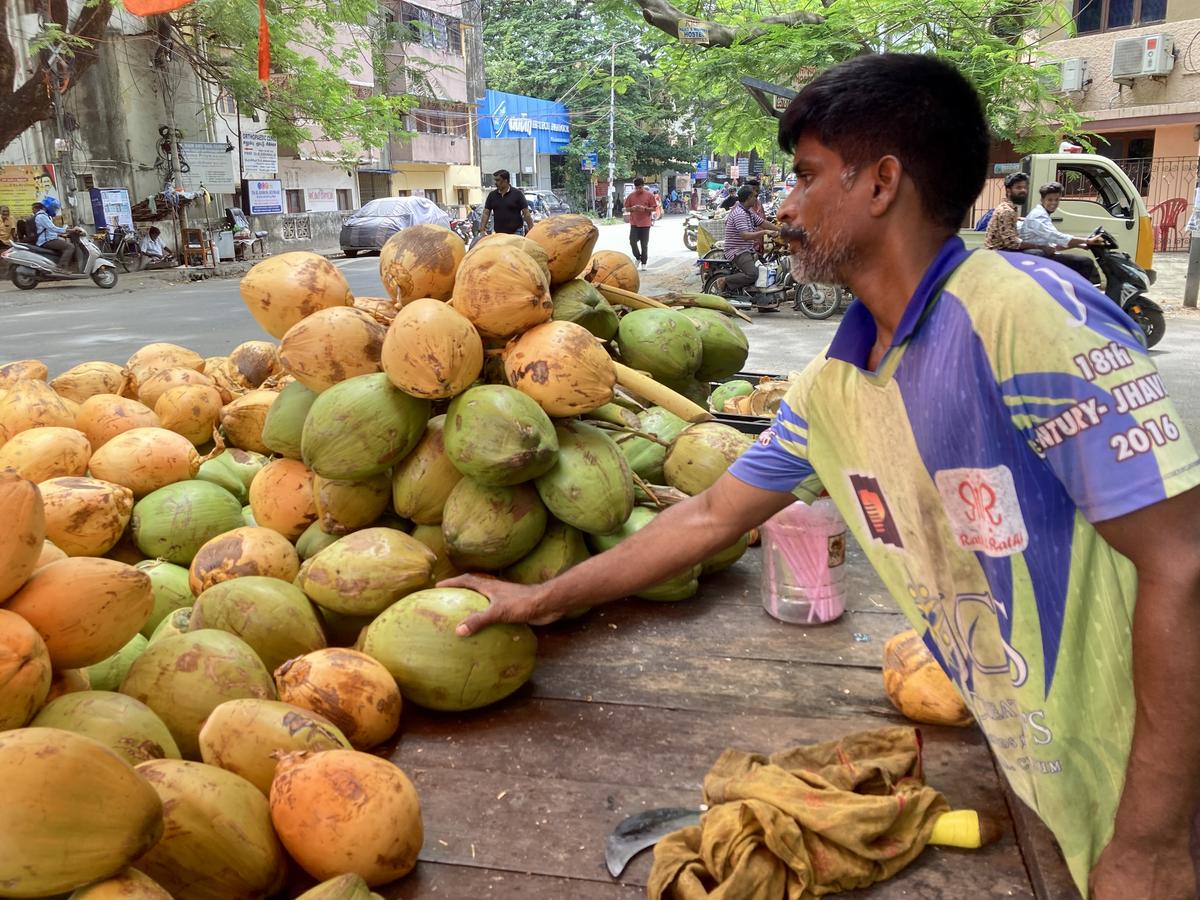
According to the Pulse Report 2025 India has 2.15 million hectares of coconut plantations with a large majority oriented towards domestic consumption. India’s top exports are coco pith, coco fibre and activated carbon from coconut shells. It is the third largest coconut growing nation after the Philippines and Indonesia.
A minimum support price for coconut is currently in force in a few states but strikes by farmers are common for protesting low MSPs. The insurance scheme for palm and climbers supporting the sector is so cumbersome that very few avail of the facility.
The case is clear – without urgent action, the costs of “fixing” the sector will become prohibitively high for supply chain actors. By contrast, meaningful collective action can create a responsible and resilient coconut sector that benefits all.
https://www.coconutpartnership.org/_files/ugd/1efbb5_c91fff8b124a4c48a3feb4cd86f5a86d.pdf
a