


a
Highlights
- India third in LEED-certified Green Buildings
- Green buildings cut maintenance cost by 20%
- Old buildings poised for green refurbishing
- AI to monitor air quality metrics
a
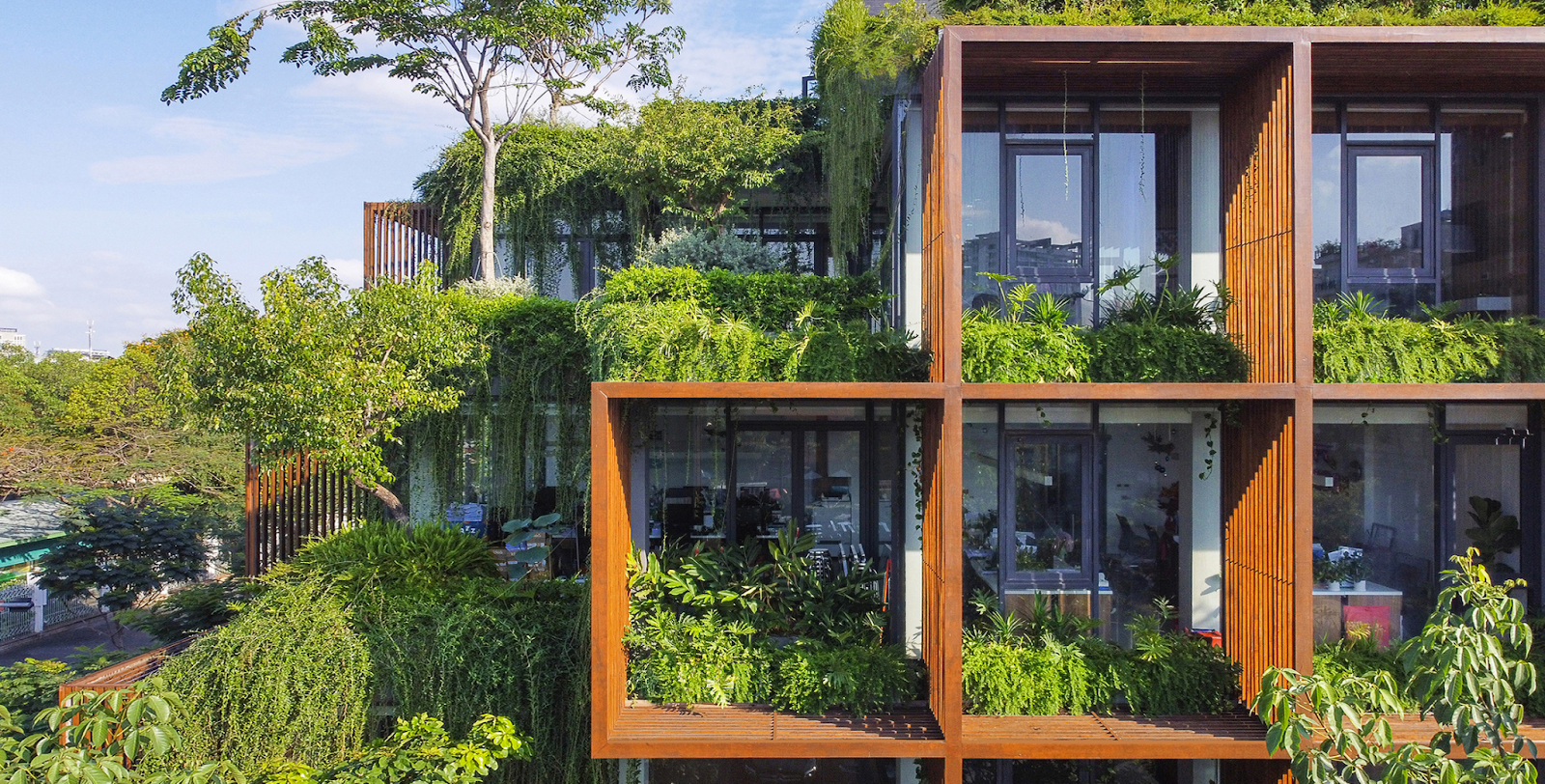
India’s real estate landscape has witnessed a marked shift toward sustainability, fueled by a confluence of environmental urgency, investor expectations, and government mandates. As of 2024, India ranks third globally in LEED-certified green buildings, with 370 projects totaling 8.5 million GSM. What’s particularly notable is the geographic diversification—green certifications are no longer concentrated in metros alone. Tier 2 and 3 cities are actively adopting certification frameworks, supported by state-level incentives, tax rebates, and fast-track regulatory approvals.
This surge is aligned with the broader ESG compliance mandates—notably, SEBI’s Business Responsibility and Sustainability Reporting (BRSR) framework that requires India’s top 1000 listed companies to disclose ESG data. As a result, occupiers are actively prioritizing green-certified office spaces, which constituted 82% of total office leasing across six major Indian cities in Q2 2024—a 24% year-on-year increase.
From Cost Savings to Asset Appreciation
Certified green buildings are delivering transformative returns, both environmentally and economically. According to a joint report by KPMG in India and Colliers, green buildings can reduce greenhouse gas emissions by 35% and cut maintenance costs by 20% over their lifecycle. This aligns with broader global goals such as the Paris Agreement and India’s own target of net-zero emissions by 2070.
On the operational front, buildings with certifications such as LEED, GRIHA, and WELL are achieving 30–50% lower energy consumption and up to 50% water savings, significantly lowering running costs. A strong example of this in action is the Infosys campus in Hyderabad, which has achieved a 40% reduction in energy costs through sustainable design.
These efficiencies also impact asset valuation. Green-certified buildings typically command a 12-14 % rental premium over non-green buildings, reflecting the market’s reward for sustainable development investments and resale value uplifts of up to 20%. In tech hubs like Bengaluru, the premium is even higher—23–25%—reflecting the growing demand from multinationals aligning with corporate sustainability targets. Furthermore, buildings with certifications are increasingly future-proof, offering resilience against evolving regulatory standards and reducing the risk of costly retrofits down the line.
Beyond Commercial Real Estate
While commercial real estate continues to lead, green certifications are permeating diverse sectors—from affordable housing and industrial parks to healthcare and education facilities. Importantly, there is a growing trend of retrofitting older buildings to meet certification standards, especially in cities with large existing inventories. According to Colliers, 300–350 million sq. ft. of commercial stock older than 10 years is poised for green refurbishment, contributing to India’s rapidly expanding certified building stock.
India’s performance is also reflected in its global standing, having consistently remained in the top three for LEED-certified space worldwide. This highlights not just the scale but also the strategic commitment of stakeholders to embed sustainability into the fabric of infrastructure development.
Upskilling for a Sustainable Future
Parallel to the surge in project certifications, there has been accelerated growth in the demand for accredited sustainability professionals, particularly those holding globally recognized credentials like LEED Green Associate and LEED AP with Specialty. Across India, architects, engineers, and project managers are increasingly pursuing these certifications to validate their expertise in green building principles, energy modeling, resource optimization, and sustainable materials. As of today, over 203,000 professionals worldwide have earned LEED credentials, signaling a robust global community dedicated to sustainable design and operations.
For professionals, these accreditations are more than resume enhancers—they are critical differentiators in a competitive, ESG-focused market. They not only demonstrate proficiency in sustainable standards but also open doors to international opportunities and inclusion in a global network of sustainability advocates.
In a landscape where net-zero goals and regulatory compliance are becoming central to project delivery, certified professionals are increasingly entrusted with steering high-performing, future-ready buildings. The demand is also driving continuous learning, with credential holders engaging in ongoing education, project experience, and thought leadership, ensuring that the green building workforce remains at the cutting edge of innovation and impact.
Catalyzing Scalable, Efficient Certification
The adoption of technology is transforming certification processes from manual and compliance-driven to automated and performance-based. Tools like Building Information Modelling (BIM) enable accurate tracking of environmental impacts from design to operation, while IoT and AI-powered systems allow real-time monitoring of energy, water, and indoor air quality metrics.
Smart technologies not only simplify certification but also unlock predictive insights for performance improvement, thus aligning buildings with evolving science-based decarbonization pathways. The upcoming LEED v5 rating system reflects this shift, with a stronger emphasis on operational performance, equity, and resilience, marking a transformative step toward net-zero and climate-resilient infrastructure.
Enabling Ecosystem Growth
The Indian government has played a catalytic role in accelerating certification adoption. From property tax rebates and low-interest loans to fast-track environmental clearances, the policy landscape is geared toward incentivizing green development. Initiatives like the Smart Cities Mission and Energy Conservation Building Code (ECBC) are further aligning local governance with sustainability goals.
The government’s vision to achieve net-zero by 2070 has also led to greater alignment of policies with green certification frameworks, ensuring that certified buildings not only meet current standards but are resilient to future regulatory shifts.
Future Outlook
By 2030, we expect green certifications to become the industry norm, with mandatory sustainability benchmarks across sectors. The retrofitting of legacy buildings, growth in affordable green housing, and the mainstreaming of performance-based certifications will define the next phase of India’s green building journey.

As investors, occupiers, and regulators converge on sustainability, certifications will be critical in shaping credible, transparent, and impactful climate action strategies. They will serve as both risk mitigators and value creators, reinforcing their role not as add-ons but as strategic imperatives in sustainable development.
P. Gopalakrishnan Padmanabhan
Managing Director – Southeast Asia & Middle East, Green Business Certificate Institute (GBCI), Alumnus of College of Engineering, Guindy and IIM Kolkata.








[…] Standard | 99 Acres | JLL | Voxturr | Sustainability Next | National Real Estate Development Council | Engage for Success | NoBrokerHood | Hindustan Times […]