
A new report released today by Climate KIC, GrowthAfrica, and SecondMuse—with support from the IKEA Foundation—offers a powerful roadmap for how dynamic innovation ecosystems can turn the tide on urban waste and catalyse inclusive circular economies in fast-growing cities along with putting a spotlight on Bengaluru’s potential to lead India’s transition into this new phase of growth.
Titled “How Strong Innovation Ecosystems Can Create Inclusive Circular Economies,” the report draws on in-depth insights from Circular Economy Innovation Clusters (CEIC) operating in Bengaluru and Nairobi. These clusters are doing more than managing waste—they’re reimagining it as a lever for social equity.
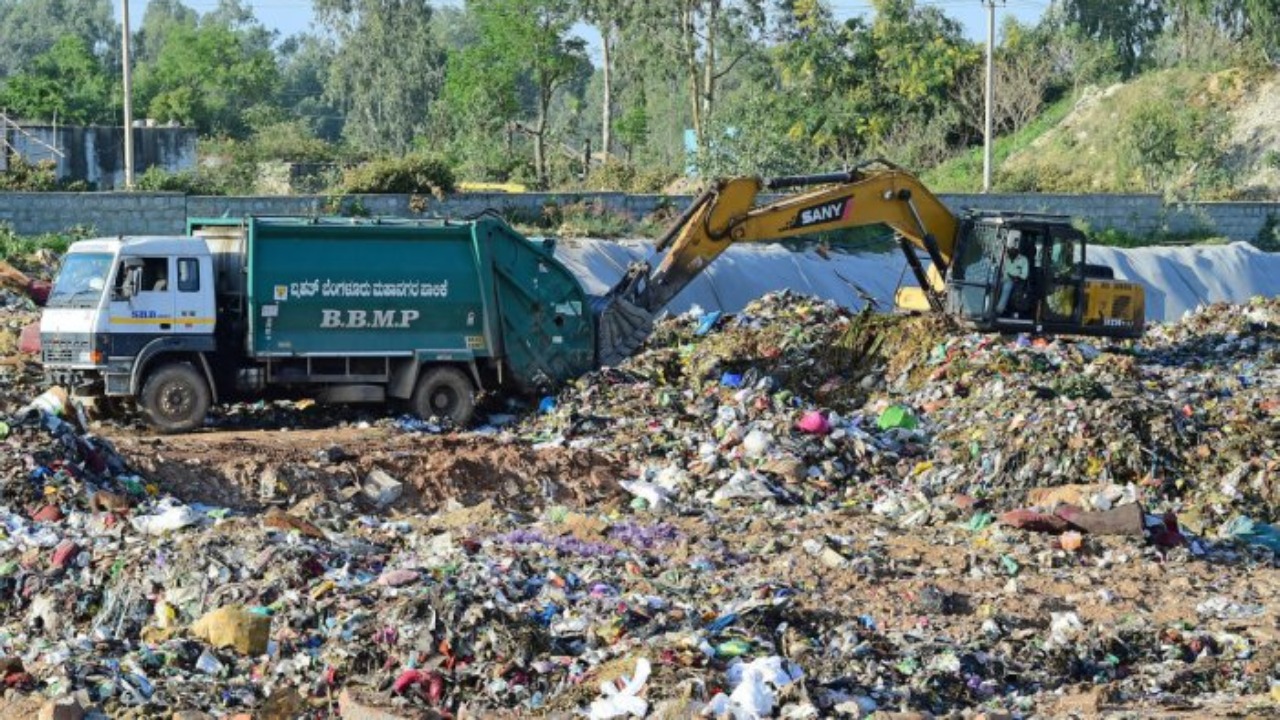
Bengaluru generates over 5,000 metric tonnes of waste daily. With only 30% managed by municipal authorities, the city faces a complex waste crisis marked by inefficiencies, and growing environmental hazards.
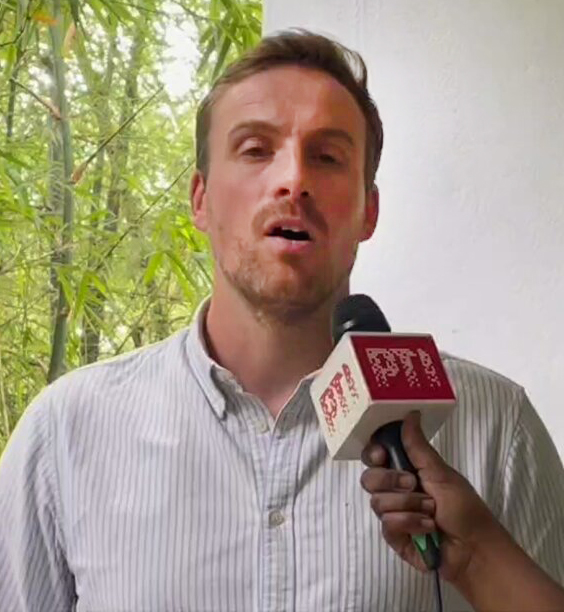
Bjarke Kovshøj, Strategic Programmes Manager, Climate KIC said while releasing the report at a two-day seminar in Bengaluru recently, “Despite the vibrancy of Bengaluru’s startup ecosystem, upstream circularity — innovations that prevent waste before it’s created — remains largely untapped. This report demonstrates how localized, inclusive innovation clusters can unlock scalable solutions that don’t just manage waste but prevent it.”
The study emphasizes the critical role of informal waste workers in the city’s ecosystem, calling for a just transition that includes upskilling, better working conditions, and integration into new business models. Ventures supported by the CEIC programme in Bengaluru have already impacted over 130 informal workers and contributed towards a combined CO₂ reduction potential of more than 21,000 tonnes annually.
Bengaluru’s Moment of Opportunity
Like many Indian metropolises, Bengaluru is grappling with an accelerating waste crisis—landfills nearing capacity, growing pressure on informal waste workers, and increasing threats to health and the environment that is compounded during the shifting climate changes. Yet the report reframes this challenge as a generational opportunity: to build a city where waste is no longer a problem to manage, but a resource to design out of the system altogether.

The Circular Economy Innovation Cluster (CEIC) in Bengaluru is demonstrating how circular models—such as product reuse, repair economies, and service-based consumption—can address the problem at its root. By connecting entrepreneurs, policymakers, informal sector workers, academia, and investors, the Cluster is laying the foundation for a resilient, inclusive, and locally grounded innovation ecosystem.
Shalini Goyal Bhalla, Founder and MD of International Council for Circular Economy (ICCE) said that by highlighting models that prioritise waste prevention and integration of informal workers, it creates a clear, scalable pathway for Bengaluru—and potentially many other Indian cities—to shift towards more sustainable and equitable waste systems.
Three Critical Learnings from Bengaluru’s Innovation Cluster
- Prevention Beats Cure: Upstream Circularity Is Key
While Bengaluru has made strides in waste segregation and recycling, true transformation lies in upstream innovation—business models that prevent waste entirely, including product-as-service models and design-led reuse. - Value the Invisible: Informal Waste Workers Are Crucial Partners
The report calls for formal recognition and integration of informal waste workers, who possess irreplaceable knowledge and are critical to current urban waste systems. - No One-Size-Fits-All: Local Solutions for Local Challenges
Innovation ecosystems must be rooted in a local context, with adaptive governance, trust-building, and collaboration across sectors to truly scale change.
A Model for Urban India
The report positions Bengaluru as a potential model for the rest of the country, showing how strong local innovation ecosystems can be a vehicle for climate action, economic inclusion, and urban sustainability. The learnings from Bengaluru are already generating interest from other Indian cities looking for tested, practical approaches to build circular systems.
The Circular Economy Innovation Cluster’s (CEIC’s) work is aligned with broader national priorities, including Swachh Bharat, Smart Cities, and the Government of India’s circular economy mission. It offers a roadmap for how cities can combine innovation, inclusivity, and local leadership to build a cleaner, more sustainable urban future.
Download the full report at climate-kic.org. The Circular Economy Innovation Cluster (CEIC) is a joint initiative by Climate KIC, GrowthAfrica, and SecondMuse, funded by the IKEA Foundation. In Bengaluru, SecondMuse and Climate KIC is building place-based innovation ecosystems that tackle systemic waste challenges through inclusive collaboration, business model innovation, and support for informal sector integration. The initiative aims to create scalable models for inclusive circular economies across the Global South.