

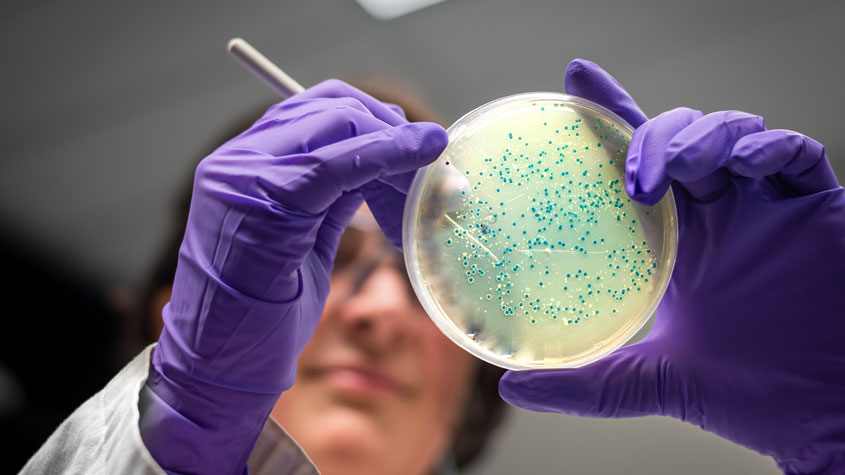
Air: Capturing Pollution and Creating Value
Indian cities continue to struggle with hazardous air quality. Industrial emissions, vehicle pollution, and rising urban heat have created a nationwide health crisis. Microbes and algae offer a surprisingly effective way to address this while also generating useful byproducts.
Startups such as Greengine are piloting rooftop and façade-based algal systems to capture CO₂ and particulate matter in dense urban areas. Partnerships like HY-TEK Bio and the University of Maryland have developed non-GMO algal strains that convert industrial flue gases into biomass rich in proteins, lipids, and pigments—valuable inputs for biofuels, bioplastics, and nutraceuticals.
To scale these ideas in India, collaborations are needed to fine-tune microbial strains for local climates, deploy modular rooftop and façade systems, and introduce policy incentives such as carbon credits to encourage adoption.
Soil: Reviving Fertility and Reimagining Construction
More than 30% of India’s farmland is degraded due to erosion, excessive chemical use, and nutrient depletion. Microbes naturally restore soil health. For example, Indigo Ag’s microbial seed treatments enhance nitrogen fixation, solubilize phosphorus, and protect roots to improve yields.
India is already laying the foundation through ICAR’s national soil microbiome initiative, which is mapping native microbial diversity across agro-ecological zones. This creates opportunities for startups and farmers to design region-specific biofertilizers that rely on indigenous microbial strains.
Microbes are also reshaping construction. Companies such as bioMASON in the USA produce bricks using microbial-induced carbonate precipitation, eliminating the need for energy-intensive firing. Adapting this technology with Indian microbial strains and recycled aggregates could significantly reduce emissions and protect precious topsoil.
Lab-grown biomaterials further expand what’s possible: plant-based, wood-like structures developed at MIT; lab-grown cotton by GALY; bioreactor-grown coffee at VTT in Finland; and cocoa from California Cultured—all of which reduce land and water use while protecting forests and biodiversity.
Water: Treating Wastewater, Recovering Resources, and Recharging Groundwater
Water scarcity and contamination threaten India’s health and economic stability. Microbial systems—biofilters, algae ponds, and microbial fuel cells—can transform wastewater into valuable resources.
In earlier articles in Sustainability Next, I proposed using permeable biomaterials derived from wastewater to build roads and highways. Such roads would allow water to percolate and recharge depleted groundwater, creating a circular economy in the process.
In the US, Malvankar Labs at Yale University are developing microbial fuel cells that generate electricity from wastewater. The possibilities for harnessing microbial processes in wastewater are vast.
Around the world, microbial startups are saving water by growing lab-based leather, producing natural dyes, and developing other resource-efficient biomaterials.
Fire: Extracting Energy and Materials from Waste
Microbes can help India recover metals from e-waste. Mint Innovation in New Zealand uses microbial processes to extract copper, gold, and other valuable metals, demonstrating scalable, low-energy, environmentally friendly approaches.
Institutions such as CSIR–IMTECH, home to a major national microbial strain repository, support research in waste valorization, biocatalysis, and sustainable resource recovery. Modular urban biorefineries could convert e-waste into valuable materials, create green jobs, reduce the burden on mining, and support the clean energy transition.
Animal Agriculture: A Novel, Ethical Approach to Dairy for India
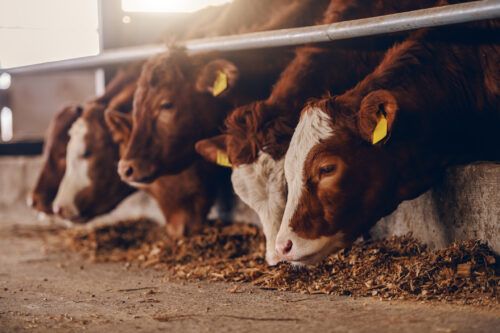
Livestock production occupies vast land areas, consumes large volumes of water, and contributes significantly to emissions. The LIFE Nature Food study shows that biodiversity loss from animal agriculture can be up to 1,000 times higher than from plant-based systems.
Globally, innovations already exist in lab-grown meat, precision-fermentation whey and casein, and early-stage cell-cultured whole milk.
Building on this trajectory, I propose a novel approach: developing lab-grown milk derived from the mammary cells of native, free-roaming, naturally fed Indian cows. This method preserves the genetics and heritage of indigenous breeds while ensuring zero cruelty. The cells are obtained ethically, and a single sample can produce milk for years in bioreactors.
For Indian consumers seeking sustainability, animal welfare, and cultural continuity, this could be a meaningful option alongside plant-based milks. Ancient Indian scriptures describe cow’s milk as Amrit (elixir), not a staple, and only when sourced from cows raised naturally—free-range, cruelty-free, and after calves are fully fed. Vedic scholars will need to evaluate the ethics and acceptability of lab-grown milk within this framework.
The Future and a Note of Caution
Microbes capable of degrading plastics have been discovered in mangroves, oceans, and even worm intestines. Researchers are also engineering wastewater microbes to speed up plastic breakdown.
However, releasing engineered microbes into the environment carries risks, including gene transfer and ecosystem disruption. Policies must balance innovation with ecological responsibility.
Building a Microbial Innovation Ecosystem in India
India can democratize biotechnology for students, farmers, and young entrepreneurs. Companies like Ginkgo Bioworks and Culture Biosciences have shown how shared biofoundries and cloud-connected bioreactors reduce costs and accelerate innovation. India could establish regional microbial innovation hubs offering fermentation facilities, microbial libraries, testing labs, and certification services.
A novel idea I propose is a national AI-enabled microbial discovery platform. While AI tools exist to predict microbial behavior for research and fermentation, India lacks a publicly accessible system that matches the country’s vast microbial diversity to industrial applications across agriculture, water, construction, and waste recovery. Integrating AI with shared biofoundries would give entrepreneurs a fast, practical way to deploy microbes for sustainable solutions. Selecting highly energy-efficient AI models is essential—Dr. Sasha Luccioni, founder of Huffington Face, is an advocate for such approaches.
Key elements of a microbial innovation ecosystem include:
- Education & Certification: Practical 1–2 year programs in microbial applications, inspired by Denmark’s Kalundborg Symbiosis project.
- Innovation Hubs: Universities and incubators like BIRAC to support lab-to-market progress.
- Investment: FDI and joint ventures in biomaterials, fermentation technologies, and microbial processing.
- Standards & Regulation: National norms for microbial products, backed by regional testing labs.
- Industry Partnerships: Collaboration among agriculture, water, construction, textiles, and waste management sectors.
- Public Engagement: Citizen science programs, school initiatives, and awareness campaigns.
Microbe-based startups can generate thousands of jobs across research, manufacturing, agriculture, and clean tech—offering new career paths that extend beyond India’s traditional IT ecosystem.
Conclusion
India stands at a pivotal moment. Microbes can transform both environmental and economic outcomes:
- Air: Capture pollutants and generate biomass for biofuels and bioproducts.
- Soil: Restore fertility and support regenerative construction.
- Water: Treat wastewater, recover nutrients, and recharge groundwater through permeable biomaterials.
- Fire: Extract metals and energy from waste streams sustainably.
- Animal Agriculture: Explore ethical, lab-grown milk from native Indian breeds.
- Innovation: Use shared biofoundries and AI-powered tools to drive startup growth.
By investing in education, infrastructure, regulation, and responsible innovation—and by embracing bold ideas—India can build a regenerative, nature-aligned future powered by microbes.
Optional Further Reading
- Indigo Ag – Microbial seed treatments
- Mint Innovation – Microbial extraction of metals from e-waste
- Greengine & Carbelim – Algal CO₂ capture
- bioMASON – Microbial bricks for sustainable construction
- Kalundborg Symbiosis Project, Denmark – Industrial symbiosis model
- BIRAC – Incubation and biotech entrepreneurship support in India
- ICAR Soil Microbiome Initiative – Mapping native microbial diversity
- CSIR–IMTECH / MTCC – National microbial strain repository

Ram Ramprasad is a sustainability writer focused on nature-inspired, regenerative solutions for India’s environmental and economic challenges. He worked in global marketing for a major multinational company in the USA.
Ram’s previous articles published in SustainabilityNext
Rethinking India’s Sustainable AI Policy
Minimize Beef and Dairy Consumption
From Ātma Nirbhar to Ātma Bhūmi Nirbhar: India’s Civilizational Path to True Self-Reliance
Why India Needs a Millet Revolution
Common Sense Strategies to Reduce Methane Emissions from Cattle
Integrated Offshore Water and Wind Solution for India’s Coastal Cities
Gut and Soil Microbial SustainAbility Bridges Science and Ancient Indian Wisdom
From Waste to Wealth: Rebranding Sewage Treatment Plants (STPs) to Resource Recovery Plants (RRPs)
The Hidden Crisis with Our Beds
Startup ideas for Sustainable Cremation and Burial Solutions in India
How India’s Agriculture Can Save 200 Billion Cubic Meters of Water
Ten Powerful Reasons for Declaring Moon A Living Entity
Sustainable Wind Turbines: Balancing Bird Protection and Agriculture
A Holistic Water Strategy for India
How India Can Leverage its GST Model for Building a Sustainable Future
A Toolkit for India’s Green Transition
Green Building Strategy – Integrating Innovations from East and West
Eat Less Fish, Save the Planet
Startups are Working Hard for a Plastic-free World
Hydrogen More Harmful Than Fossil Fuels
Tech Startups Can Make India Water Rich
Measure How Basic Elements are Doing, Not Just GDP
A Radical Strategy for A Greener India – The Story of Kusha








[…] Microbes Can Drive India’s Sustainable Future […]