

Nearly 40% of India’s population lives near the coast. These areas are under growing pressure from groundwater overuse, erratic monsoons, and rising sea levels. Desalination has emerged as a common response in cities like Chennai, Mumbai, and Visakhapatnam. While it provides large volumes of freshwater, it also comes with high energy costs, marine pollution from brine discharge, and heavy infrastructure footprints along vulnerable shorelines.
The Limits of Desalination
- High Energy Use: Most desalination plants depend on fossil fuels, increasing carbon emissions.
- Brine Waste: The salty byproduct harms marine ecosystems and fisheries.
- Space Requirements: Coastal plants take up valuable land already at risk from erosion and rising seas.
China has tried to reduce desalination’s impact by diluting brine and extracting valuable salts. India has yet to widely adopt such methods.
A Cleaner Alternative: Capturing Water from Air
A promising solution is Atmospheric Water Capture (AWC)—harvesting moisture from the air and condensing it into drinking water. Dr. Praveen Kumar and his team at the University of Illinois Urbana-Champaign have designed offshore AWC systems that could supply water to up to 500,000 people per unit, with no brine waste and no need for coastal land.
More on the topic: https://news.illinois.edu/researchers-propose-new-structures-to-harvest-untapped-source-of-fresh-water/
AWC is especially effective in humid coastal areas. While land-based AWC systems are hard to scale, offshore platformstake advantage of consistent sea breezes and high humidity—ideal for capturing water in an environmentally friendly way.
Turning Old Ships into Floating Solutions
Instead of starting from scratch, India could repurpose decommissioned cruise ships. These ships are already equipped with water storage tanks, plumbing, and power systems. Retrofitting them with AWC equipment and wind turbines could convert them into self-sustaining, floating hubs.
Around the ship, if feasible, wave energy pods could be deployed to harness wave energy—such as those designed by CorPower.
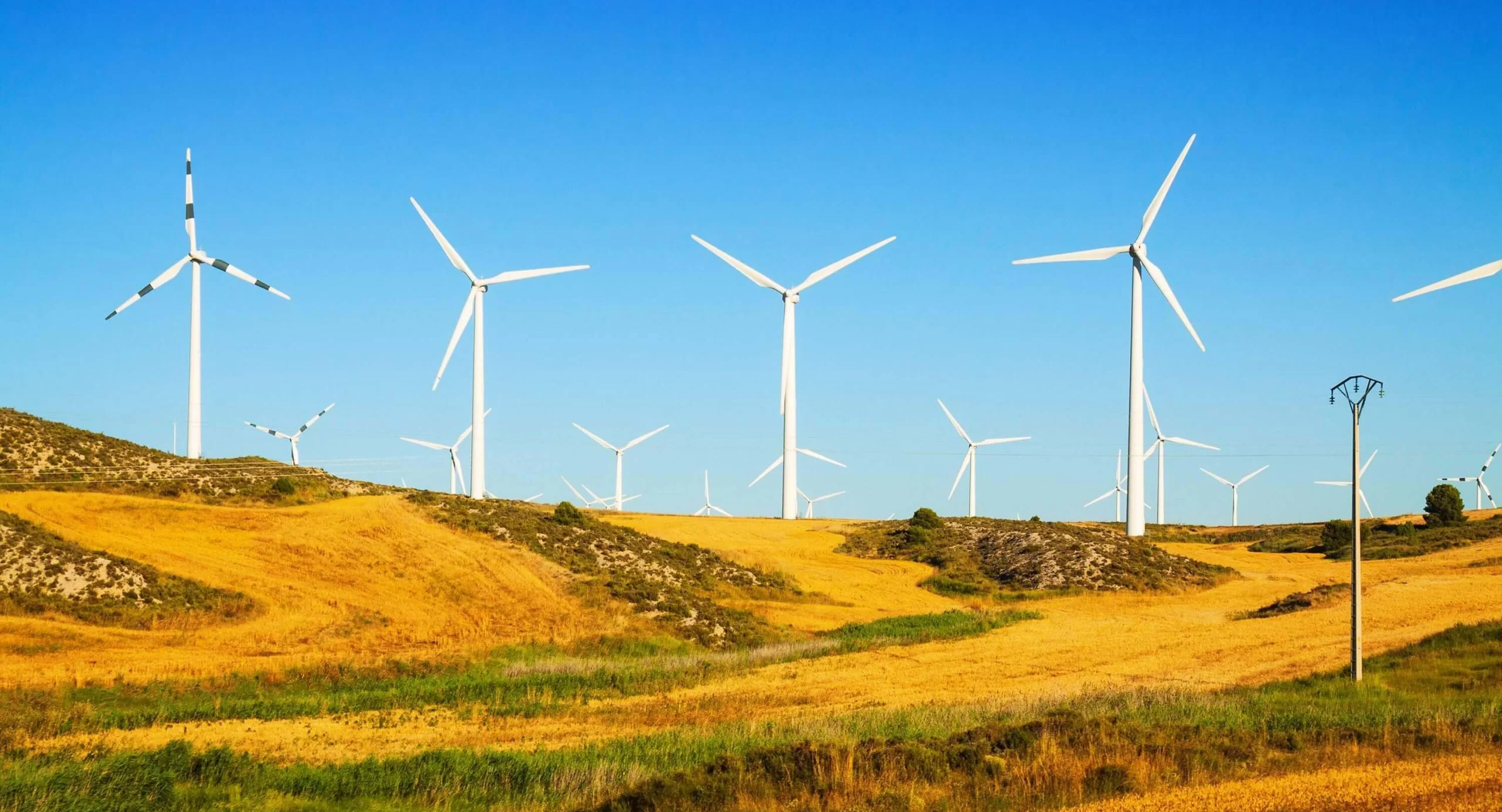
Even if AWC systems cannot be installed effectively due to space or moisture constraints, these ships can still host offshore wind turbines, producing clean electricity for nearby cities. They could also serve as platforms for:
- Marine research
- Skills training for coastal youth
- Eco-tourism and education centers
Wind Turbines That Also Produce Water
New turbine designs allow for dual use:
- Electricity generation
- Water capture by condensing moisture from air passing through the turbine blades
This dual-purpose technology can make better use of limited offshore space and reduce the cost of building separate facilities. Cruise ships retrofitted with these turbines could anchor near the coast and supply both clean energy and drinking water.
Protecting Marine Life
Offshore systems must be designed with care to avoid harming marine and bird life. Key strategies include:
- Using black-bladed turbines to help birds see and avoid them
- Vertical-axis turbine designs that are less dangerous to birds
- AI radar systems that can temporarily stop turbines during bird migration
- Low-noise and low-light systems to protect underwater habitats
With these precautions, these floating platforms can blend into their environment rather than damage it.
Learning from Others
Other countries offer helpful models:
- China has developed coastal dehumidification plants with reduced ecological impact.
- Singapore integrates rainwater harvesting, wastewater reuse, and AWC.
- Japan’s EcoShips use solar sails and wind energy for green marine operations.
India can learn from and improve upon these strategies by combining them with floating infrastructure.
Start with a Pilot
India should begin with a pilot project—perhaps off the coasts of Gujarat or Tamil Nadu—by retrofitting one decommissioned cruise ship with wind turbines and, where possible, atmospheric water capture systems.
This pilot can:
- Demonstrate offshore water and energy solutions
- Test cost, technology, and ecological impact
- Provide training and jobs for local youth
- Show the world that India can innovate with sustainability at sea
Conclusion: A Smarter, Cleaner Future
Desalination alone cannot solve India’s coastal water problems. By turning to the oceans and the sky—through offshore water capture and renewable wind energy—India can take a major step toward sustainable growth.
With creativity and collaboration, floating platforms can meet urgent water and energy needs, train the next generation of green workers, and protect coastal ecosystems. The solution is within reach—India just needs the will to act.
References
- China Water Risk. Innovations in Desalination and Brine Management. 2023.
- University of Illinois. Praveen Kumar’s Offshore Atmospheric Moisture Capture. 2024.
- China Academy of Sciences. Large-Scale Dehumidification Plants in Coastal Cities. 2023.
- Illinois News Bureau. New Structures to Harvest Untapped Source of Fresh Water. 2022.
- Anthropocene Magazine. Harvesting Fresh Water from the Air. 2022.

Ram Ramprasad is a passionate advocate for sustainability, having authored two books and numerous articles on sustainable strategies for reputable publications. He previously served as the Global Marketing Director for a leading multinational company in the USA. Ram holds degrees from Madras University in India and Yale University in the USA.
Ram’s previous articles published in SustainabilityNext
Gut and Soil Microbial SustainAbility Bridges Science and Ancient Indian Wisdom
From Waste to Wealth: Rebranding Sewage Treatment Plants (STPs) to Resource Recovery Plants (RRPs)
The Hidden Crisis with Our Beds
Startup ideas for Sustainable Cremation and Burial Solutions in India
How India’s Agriculture Can Save 200 Billion Cubic Meters of Water
Ten Powerful Reasons for Declaring Moon A Living Entity
Sustainable Wind Turbines: Balancing Bird Protection and Agriculture
A Holistic Water Strategy for India
How India Can Leverage its GST Model for Building a Sustainable Future
A Toolkit for India’s Green Transition
Green Building Strategy – Integrating Innovations from East and West
Eat Less Fish, Save the Planet
Startups are Working Hard for a Plastic-free World
Hydrogen More Harmful Than Fossil Fuels
Tech Startups Can Make India Water Rich
Measure How Basic Elements are Doing, Not Just GDP
A Radical Strategy for A Greener India – The Story of Kusha








[…] Integrated Offshore Water and Wind Solution for India’s Coastal Cities […]
[…] Integrated Offshore Water and Wind Solution for India’s Coastal Cities […]