

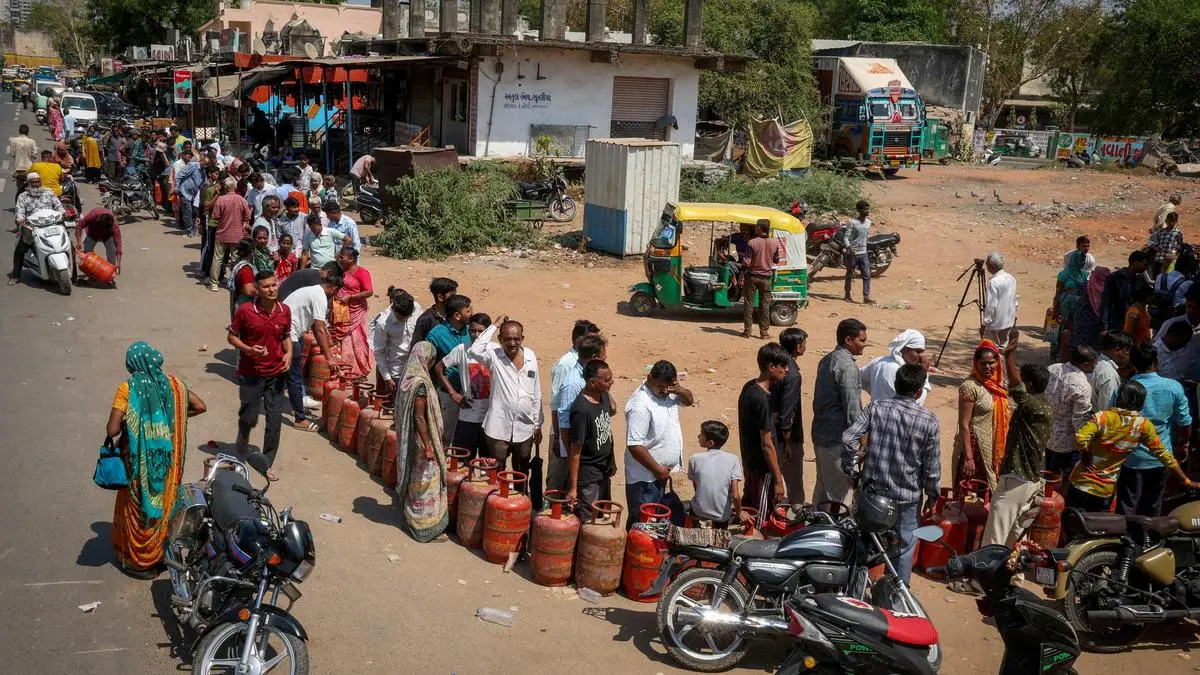
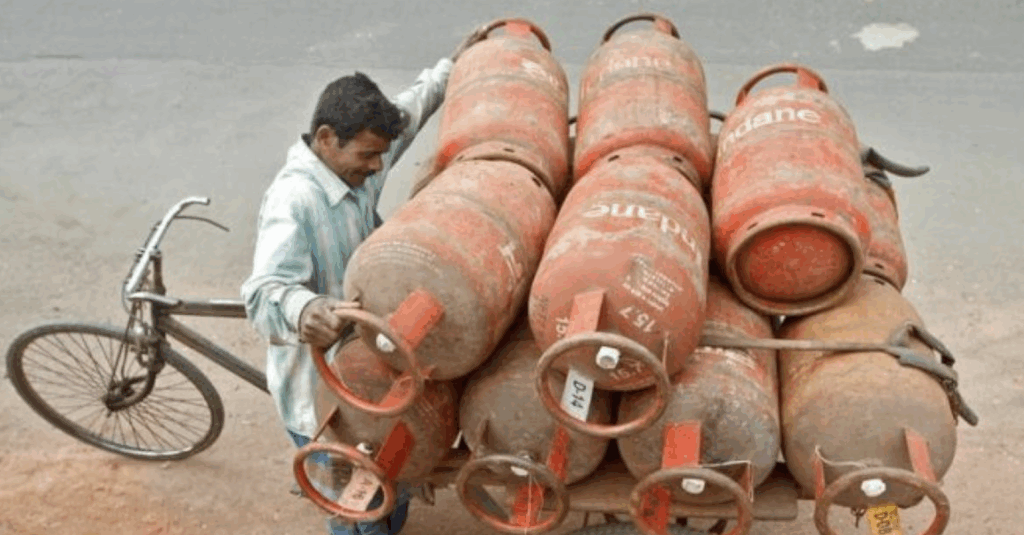
On my visits to India, I have often noticed a striking contrast. In one village, cattle stood tethered just steps from a kitchen using LPG cylinders, while organic waste lay unused nearby. It raised a simple question: why has dependence on LPG become so widespread, even where viable alternatives exist?
By contrast, countries like China have built more diversified systems—where access to multiple clean cooking options has insulated households from supply disruptions (International Energy Agency, 2022).
The lesson is straightforward: India does not just need clean cooking—it needs resilient cooking.
A practical roadmap lies in a three-pillar strategy:
- Immediate relief
- Transitional scaling
- Long-term transformation
Pillar 1: Immediate Relief — Solar by Day, Electric by Night
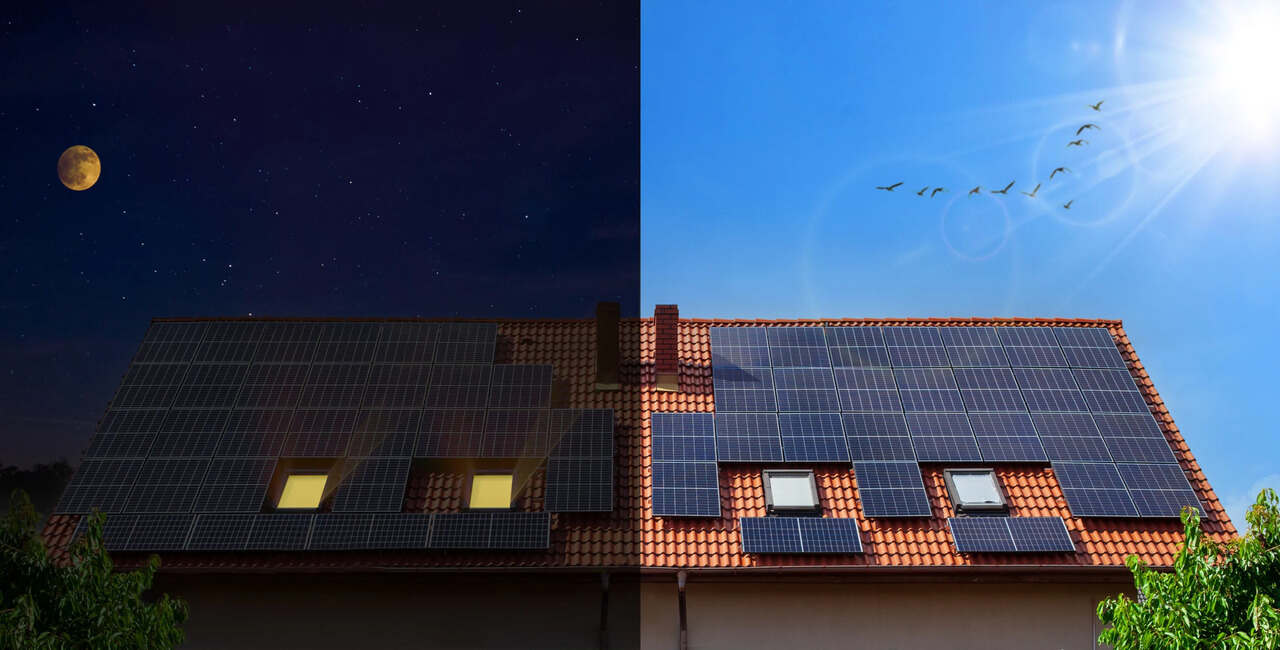
If LPG dependence is a risk, the first step is to reduce it quickly—without waiting for perfect solutions.
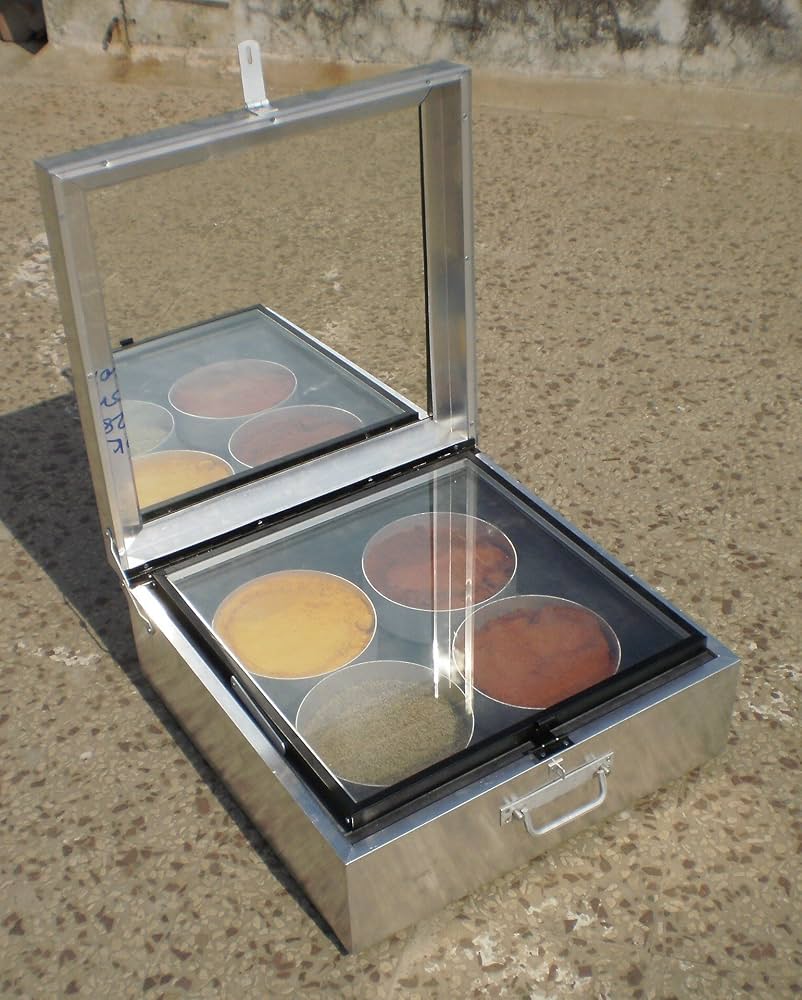
Solar cooking: the simplest entry point
- Provides zero-emission energy during the day
- Abundant sunlight across most of India
- Proven at scale:
- The Brahma Kumaris campus in Mount Abu prepares thousands of meals daily using solar thermal systems
Even basic solar cookers can significantly reduce daytime LPG use. (See Solar Cookers International for resources)
In addition, a residential school in Akola operates a “flameless kitchen” that prepares meals for about 1,500 students daily without LPG by using a thermic fluid (heat-transfer oil) system, where heated oil circulates in a closed loop to transfer heat efficiently to cooking vessels.
Electric cooking: the essential complement
Solar has limits—evenings and cloudy days. That’s where electric cooking comes in:
- Induction stoves
- Electric pressure cookers
- Already in use in urban hostels in Bengaluru running fully LPG-free kitchens
A simple hybrid principle
- Use the sun when available, electricity when it is not.
Behavioral efficiency (often overlooked)
- Overnight soaking of pulses and grains
- Increased intake of raw foods and salads
These small shifts can meaningfully extend the life of an LPG cylinder
Pillar 2: Transitional Scaling — Biogas, DME, and Organic Waste
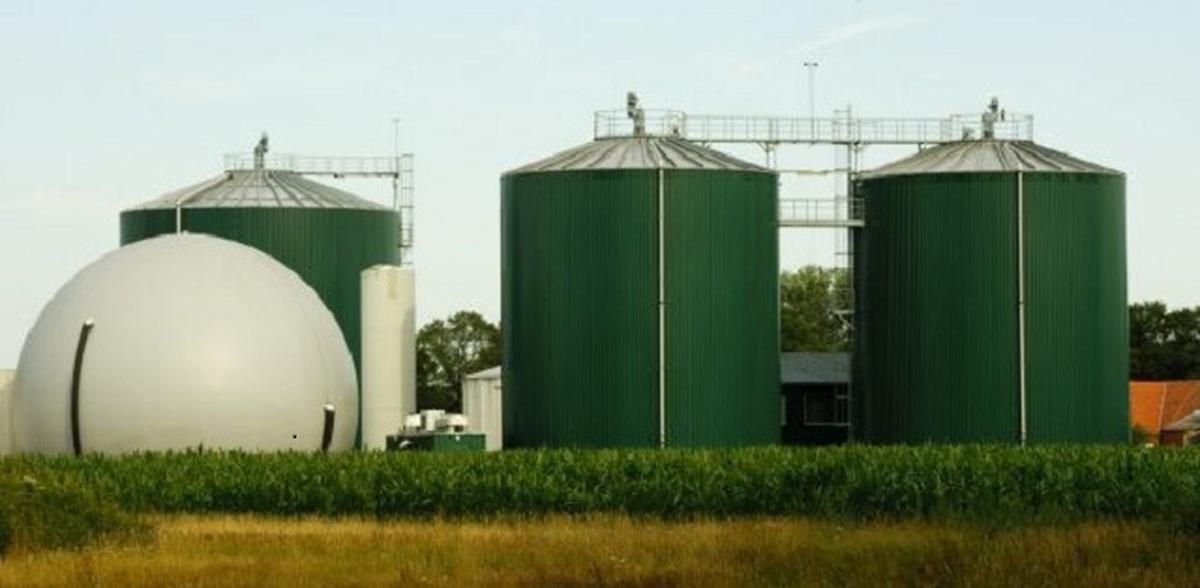
This is where India’s opportunity is greatest—and where progress has been uneven.
The paradox
India generates enormous amounts of organic waste, yet biogas adoption remains limited.
What’s missing
The challenge is not just technology—it is delivery:
- Maintenance ecosystems
- User-friendly design
- Waste segregation systems
- Building user confidence
Global contrast
- China integrated biogas into rural systems with strong local technician networks
- HomeBiogas in Israel made biogas feel like a plug-and-play appliance
Despite the promise of modern biogas systems like Sistema.bio, which can convert farm waste into clean cooking fuel and organic fertilizer, adoption in India remains limited. High upfront costs, ongoing maintenance requirements, fragmented rural delivery networks, and lingering distrust from earlier failed biogas programs have slowed uptake, even though the technology works reliably where implemented. In contrast, China achieved large-scale biogas deployment through strong state-led programs, standardized designs, and dense local technician networks that ensured maintenance and consistent operation. The comparison underscores that India’s challenge is not the technology itself, but the need for innovative financing, decentralized service models, and trust-building mechanisms to enable biogas to scale sustainably across the country.
Encouraging Indian examples
- IIT Pune’s “Vaayu” system converting household waste into cooking gas
- Community biogas plants in Rajasthan and Delhi
- Govardhan Eco Village using cow-dung-based biogas
DME: a promising LPG alternative
A Pune-based innovation in dimethyl ether (DME) offers:
- Clean-burning fuel
- Ability to blend with or replace LPG
Critical advantage
- Can leverage India’s existing LPG cylinder distribution network
- Requires only minor modifications
Implication
- Rapid scaling—without rebuilding infrastructure
A practical middle path
- Use waste as fuel
- Expand beyond LPG
- Build resilience from within
Breakthrough Research: From Global Labs to Indian Villages
Recent advances are expanding what is possible.
MIT-led decentralized fuel systems
Work from leading research groups shows:
- Small, modular systems
- Conversion of methane from waste into liquid fuels like methanol
- Local, on-site operation
Why this matters for India
- Villages can become energy producers, not just consumers
- Agricultural waste and dung become valuable assets
- Reduced dependence on imported fuels
Global scientific progress
- Improved efficiency in converting CO₂ into methanol and DME
- Momentum toward a circular carbon economy
Core insight
The future is not one fuel, but many—locally produced, circular, and interconnected.
Pillar 3: Long-Term Transformation — A Diversified Energy Ecosystem
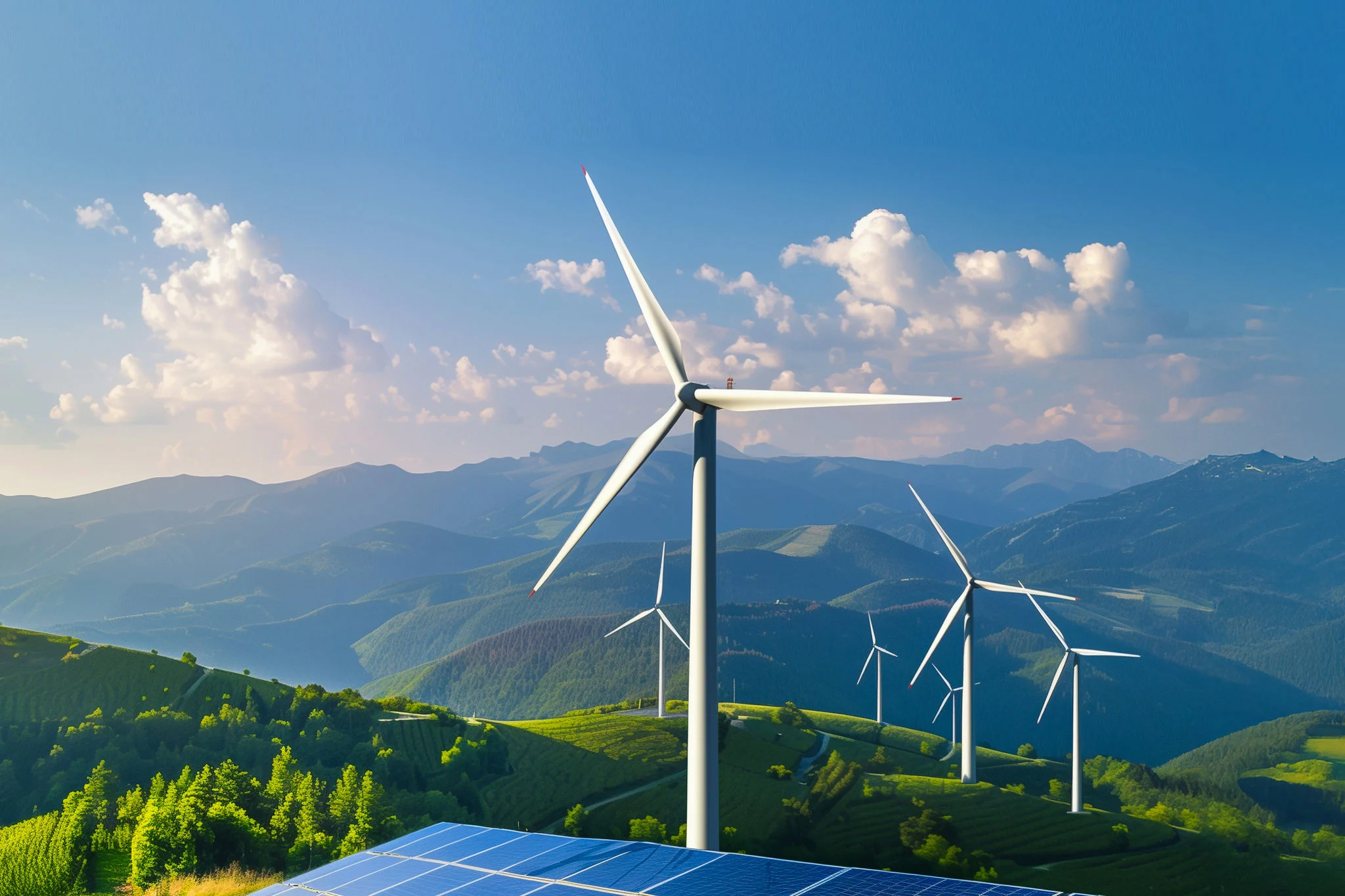
The goal is not to replace LPG with another single fuel—that would recreate the same risk.
Instead, India must build a layered system:
- Electric cooking (renewable-powered)
- Biogas (household to institutional scale)
- Solar thermal systems
- Emerging fuels (e.g., bioethanol in niche uses)
Different regions will adopt different mixes—and that diversity is a strength
Global lessons
- China focused on systems and infrastructure
- Indonesia combined policy with financial incentives
- African nations demonstrate decentralized adaptability
Key takeaway
Resilience comes from diversity.
Why This Matters
- Health: Reduced indoor air pollution
- Equity: Broader access to affordable options
- Environment: Lower emissions and less deforestation
- Resilience: Reduced exposure to global disruptions
Conclusion: From Vulnerability to Resilience
India’s dependence on imported LPG is not just an energy issue—it is a structural risk.
A three-pillar approach offers a realistic path forward:
- Short term: Solar + electric substitution
- Medium term: Biogas + alternative fuels (DME, methanol)
- Long term: Full diversification
Proof points already exist
- Solar kitchens serving thousands
- Biomass-based institutional cooking
- Fully electric urban kitchens
- Govardhan Eco Village demonstrating closed-loop systems
None of this is theoretical anymore. The challenge now is to connect these scattered successes into a coherent national strategy. Because when that happens, India’s kitchens will no longer depend on the world—they will power themselves.
AI Use Disclosure
This article is the author’s original work. AI tools were used only for minor editing and formatting assistance.

Ram Ramprasad is a sustainability advocate and author who writes on biomaterials, circular economy strategies, and regenerative design, with a focus on aligning ecological wisdom with modern innovation.
Ram’s previous articles published in SustainabilityNext
How Mycelium Can Power a Green Startup Revolution
Microbes Can Drive India’s Sustainable Future
Rethinking India’s Sustainable AI Policy
Minimize Beef and Dairy Consumption
From Ātma Nirbhar to Ātma Bhūmi Nirbhar: India’s Civilizational Path to True Self-Reliance
Why India Needs a Millet Revolution
Common Sense Strategies to Reduce Methane Emissions from Cattle
Integrated Offshore Water and Wind Solution for India’s Coastal Cities
Gut and Soil Microbial SustainAbility Bridges Science and Ancient Indian Wisdom
From Waste to Wealth: Rebranding Sewage Treatment Plants (STPs) to Resource Recovery Plants (RRPs)
The Hidden Crisis with Our Beds
Startup ideas for Sustainable Cremation and Burial Solutions in India
How India’s Agriculture Can Save 200 Billion Cubic Meters of Water
Ten Powerful Reasons for Declaring Moon A Living Entity
Sustainable Wind Turbines: Balancing Bird Protection and Agriculture
A Holistic Water Strategy for India
How India Can Leverage its GST Model for Building a Sustainable Future
A Toolkit for India’s Green Transition
Green Building Strategy – Integrating Innovations from East and West
Eat Less Fish, Save the Planet
Startups are Working Hard for a Plastic-free World
Hydrogen More Harmful Than Fossil Fuels
Tech Startups Can Make India Water Rich
Measure How Basic Elements are Doing, Not Just GDP
A Radical Strategy for A Greener India – The Story of Kusha






[…] India’s LPG Crisis: A Three-Pillar Path to Resilient Cooking […]
[…] India’s LPG Crisis: A Three-Pillar Path to Resilient Cooking […]