
s
Key Points
- Awareness among home segment low
- Green building idea should include biodiversity
- Implementation of policies inconsistent
- Rating of properties will help like rating for bulbs
- Incentives by states face bureaucratic hurdles
s
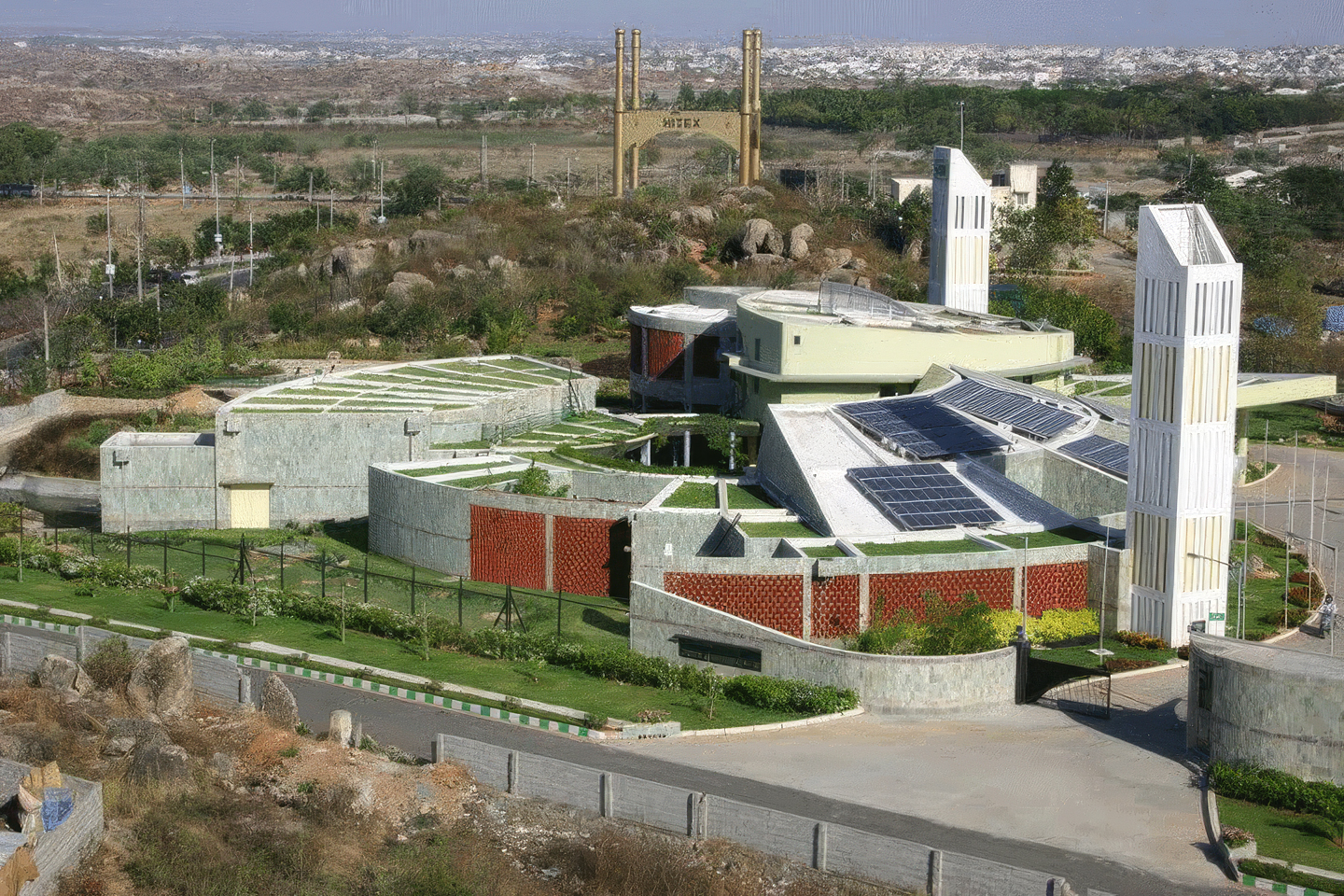
India’s real estate and construction sector is growing rapidly, contributing significantly to GDP and urban development. As the country urbanizes, the conversation around sustainability in construction is becoming more urgent. In India, green buildings — which are designed to minimize environmental impact and optimize energy and water efficiency — offer a promising solution.
A green building integrates sustainable practices across design, construction, and operation. It consumes fewer resources, promotes occupant well-being, and significantly lowers the building’s environmental footprint. However, such examples remain limited and are often viewed as exceptions rather than the norm.
In residential segments especially, the uptake is even slower, largely because of myths surrounding high upfront costs and the assumption that green certification is suited only for premium developments.
Cost continues to be one of the biggest perceived barriers. While initial construction expenses for green buildings may be 2–5% higher, the return on investment is clear when factoring in lower utility bills, higher occupant satisfaction, and increasing asset value. Unfortunately, these long-term gains are often overlooked in favor of short-term savings. In a price-sensitive market like India, especially in Tier 2 and 3 cities, this mindset becomes a major roadblock to sustainable construction.
Lack of Awareness
Another challenge is the lack of widespread awareness. Many builders, contractors, and even urban planners are not fully familiar with what constitutes a green building. For some, installing solar panels or LED lighting is considered enough. While design innovations and material efficiency are essential, the integration of green practices must also extend to landscape and surrounding environments.
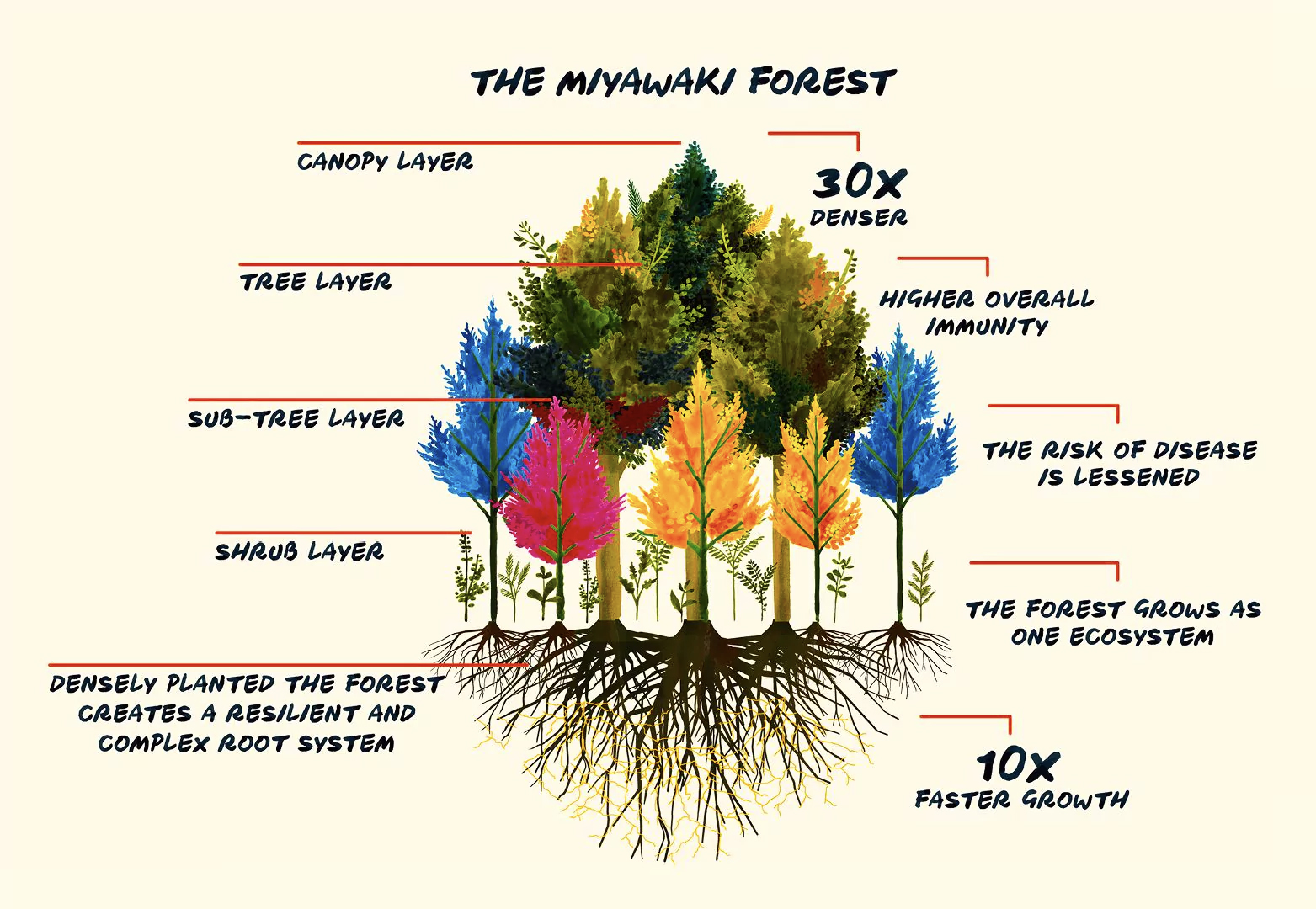
Unfortunately, urban construction often overlooks ecological methods like afforestation and biodiversity conservation. Techniques such as Miyawaki plantations, which involve dense, native forest creation in small urban plots, can significantly enhance microclimates, reduce air pollution, and improve the overall sustainability score of a building. Yet, these methods are rarely adopted or mandated in mainstream projects.
While the Indian government has taken some steps to promote green infrastructure — such as the Energy Conservation Building Code (ECBC), the Smart Cities Mission, and GRIHA and IGBC rating systems — implementation remains inconsistent.
Some state governments provide incentives such as fast-track approvals, extra Floor Space Index (FSI), and tax rebates for certified projects. However, these incentives are not uniform across the country and are often marred by bureaucratic hurdles. Enforcement mechanisms are also weak; even in states where ECBC is mandatory, compliance monitoring is limited due to a lack of trained officials and technical infrastructure.
To accelerate the mainstreaming of green buildings, India needs a more robust and unified policy approach. Green norms must be integrated into local building bylaws and made a part of mandatory urban planning. Financial institutions can support this transition by offering green loans with lower interest rates or longer tenures, encouraging both developers and homeowners to adopt sustainable practices.

Real estate platforms could also play a role by highlighting the sustainability rating of properties, much like energy star ratings on appliances, making it easier for consumers to make informed decisions.
Education and awareness will be the real game changers. Professional training programs, RERA-linked incentives for sustainable construction, and mass awareness campaigns are essential. If the benefits of green buildings are made as widely understood as those of electric vehicles or energy-efficient gadgets, public demand will naturally grow.
India stands at a critical juncture. With rising urbanization, increasing energy demand, and environmental degradation, embracing green buildings is not just a smart economic decision — it’s a national imperative.
Making green buildings mainstream will require concerted efforts from policymakers, industry leaders, financial institutions, and the public. But once these pieces fall into place, the benefits will be long-lasting — not just for the buildings, but for the people and planet they support.