
From One Meal to a Movement
During a recent visit to Plant City — a fully vegan food court in Providence, Rhode Island — my family and I were struck by how a dining experience could become a powerful climate education tool. A prominent sign at the entrance listed the environmental savings generated by its collective choices: over 1.2 million animal lives, 1.2 billion gallons of water, 36 million square feet of forest, and 357 tons of landfill waste avoided through composting.
This single food court, with just over two million guests served, shows us a powerful point: when sustainability is made visible, it evolves from an abstract policy to a collective, actionable path forward.
That visit ignited a broader vision. What if an entire country became a platform to showcase visible, scalable, elemental sustainability? What if India — instead of just participating — takes the lead by hosting a new kind of Global Sustainability Summit?
Why This Summit Is Different
While traditional climate summits like COP focus on negotiations and emissions targets, this summit offers a strategic, elemental approach — framing policy, innovation, food, education, and enterprise within nature’s elemental framework. It’s not a solitary event, but a living, year-round platform for collaboration and transformation — a process anchored in both ancient wisdom and modern innovation.
What “Circular” and “Elemental” Mean
Circular
Move beyond the linear economy of take–make–waste. Embrace systems where waste is designed out, and resources continuously circulate.
Example: A bamboo toothbrush that biodegrades after use, instead of adding to a growing pile of persistent waste.
Elemental
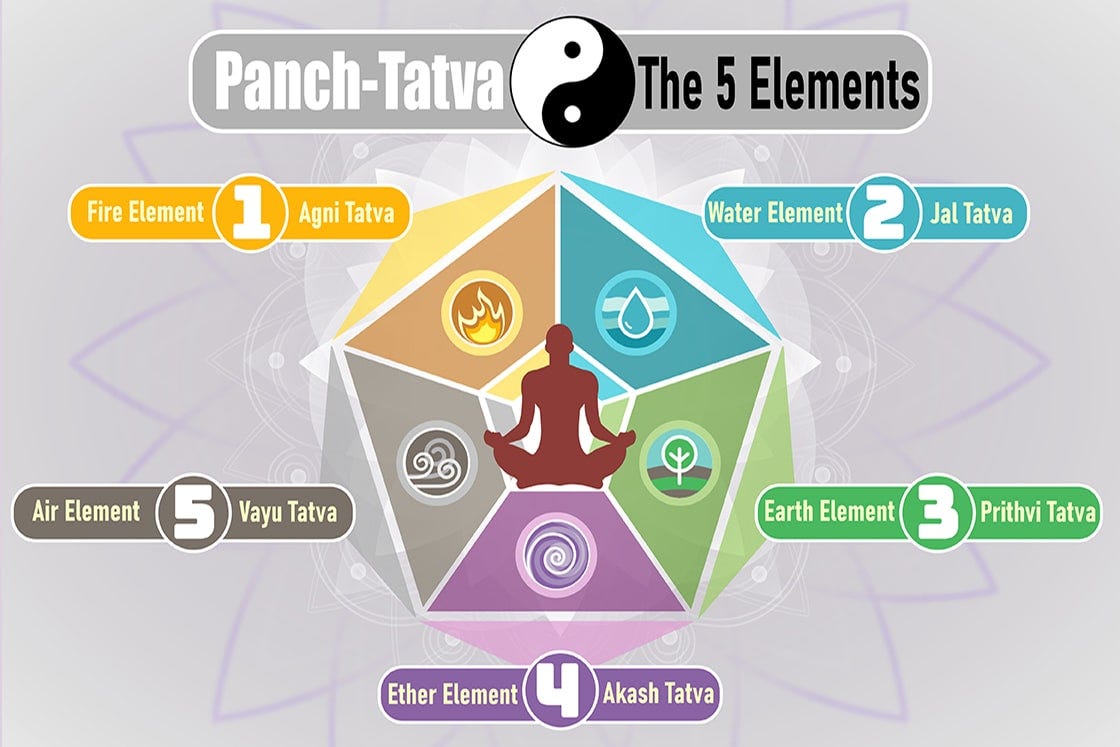
Every human action — personal or political — impacts one or more of the five elements. These are not abstract symbols; they are ecological pillars. Damage to any one element resonates through the rest.
India’s Four-Pillar Sustainability Showcase
Instead of organizing a single event, the Summit would be an ongoing platform with four interconnected pillars — each reflecting the elemental framework:
1. Conscious Consumption: Rethinking the Food System
India, which just sixty years ago was predominantly plant-based, has now become 80% non-vegetarian — fueling health crises, climate stress, and a growing ecological footprint. But this can be reversed — not by force, but by education and inspiration.
Indian food courts can take a page from Plant City by installing real-time displays to show:
- Water used
- Carbon emissions avoided
- Land spared
- Tonnage kept from landfill
with each meal choice.
This rich tradition of plant-based, seasonal cuisine positions India to become a world leader in conscious, elemental food culture.
2. Policy Leadership: The Global Sustainability Summit, Elementally Structured
India can pioneer a Global Sustainability Policy Summit themed around the five elements:
- Water (Jala): Sustainable groundwater, rainwater harvesting, decentralized water management
- Earth (Prithvi): Soil health, agroecology, waste-to-resource policy
- Air (Vayu): Air quality, green spaces, policy for reducing emissions
- Fire (Agni): Transition to renewable energy, clean cooking, policy incentives for low-energy innovations
- Space (Akasha): Digital policy for data equity, satellite-assisted climate monitoring, framing policy within a holistic view of human-environment relationships
Scientists, policy makers, Vedic scholars, innovators, and community stakeholders can collaborate, turning policy into a powerful tool for transformation.
3. Innovation at Scale: The Global Startup Sustainability Expo
Startups from around the world can gather in India for a twice-annual Global Sustainability Expo, where innovators showcase breakthrough technologies:
- Zero-waste design
- Decentralized clean energy
- Sustainable packaging
- Climate-smart agriculture
- Water-from-air innovations
- Textiles made from agricultural waste
- Smart mobility powered by clean energy
Such a platform would enable innovators to collaborate, scale up, and bring their innovations to the world’s greatest sustainability challenges.
4. Breakthrough Research: A Global University Sustainability Forum
Academic institutions can come together in a University Sustainability Forum — a space for exchange of knowledge, data, and policy-relevant innovations.
Scientists from IITs, agricultural universities, policy schools, and environmental think tanks can collaborate alongside their international peers — turning their research into actionable policy and enterprise innovations. All sessions could be livestreamed and made openly available.
Why India?
India isn’t just qualified — it’s uniquely equipped to redefine the very concept of a climate summit. Here’s why:
- Elemental Worldview: A culture that resonates with elemental thinking
- Youthful Demographic: 65% under age 35 — a powerful, enthusiastic, forward-thinking generation
- Cultural Frugality and Reuse: Practices like aparigraha (non-possessiveness), reuse, and a rich tradition of conserving resources
- Innovation Ecosystem: Atal Innovation Mission, clean-tech clusters, growing pool of innovators
- Digital Backbone: Digital payments, education platforms, and policy delivery mechanisms
- Ecological Diversity: A living laboratory of bioclimatic regimes and traditional adaptation strategies
- Policy Pioneering: From solar incentives to electric vehicle subsidies, payments for ecosystem services, and growing climate legislation — India is already a policy trailblazer.
A Global Call: Think Circular, Act Elemental
This summit’s unifying mantra should be:
Think Circular, Act Elemental.
Circular thinking guarantees closed loops and regenerative practices — honoring resources instead of depleting them — while elemental action roots policy and innovation in nature’s finest framework.
Make in India — Respect the 5 Elements.
This is a powerful opportunity for India to show the world how circular and elemental perspectives can enable profound transformation.
From Inspiration to Global Leadership
If a single food court in Rhode Island can inspire sustainable choices in its two million diners, imagine what a nation of 1.4 billion people can do.
It’s time for India to move from policy promises to active, visible transformation — by turning its elemental knowledge into a powerful platform for global collaboration and renewal.
Let the world gather in India.
Let change take root.
Let us all think circular and act elemental.
Ram Ramprasad is a passionate advocate for sustainability, having authored two books and numerous articles on sustainable strategies for reputable publications. He previously served as the Global Marketing Director for a leading multinational company in the USA. Ram holds degrees from Madras University in India and Yale University in the USA.
Ram’s previous articles published in SustainabilityNext
Integrated Offshore Water and Wind Solution for India’s Coastal Cities
Gut and Soil Microbial SustainAbility Bridges Science and Ancient Indian Wisdom
From Waste to Wealth: Rebranding Sewage Treatment Plants (STPs) to Resource Recovery Plants (RRPs)
The Hidden Crisis with Our Beds
Startup ideas for Sustainable Cremation and Burial Solutions in India
How India’s Agriculture Can Save 200 Billion Cubic Meters of Water
Ten Powerful Reasons for Declaring Moon A Living Entity
Sustainable Wind Turbines: Balancing Bird Protection and Agriculture
A Holistic Water Strategy for India
How India Can Leverage its GST Model for Building a Sustainable Future
A Toolkit for India’s Green Transition
Green Building Strategy – Integrating Innovations from East and West
Eat Less Fish, Save the Planet
Startups are Working Hard for a Plastic-free World
Hydrogen More Harmful Than Fossil Fuels
Tech Startups Can Make India Water Rich
Measure How Basic Elements are Doing, Not Just GDP
A Radical Strategy for A Greener India – The Story of Kusha