
Sustainability has moved from the footnotes of CSR reports to the centre stage of brand narratives. Every second campaign today wants to be seen as “green”, “eco-conscious” or “climate-friendly”. And yet, ironically, the more we talk about it, the more diluted it feels.
The term itself is at risk of becoming a victim of its own popularity, buzzed about but barely understood, repeated but rarely held accountable.
This isn’t because people don’t care. They do, consumers, investors, even regulators. But when brands jump on the sustainability bandwagon without the systems to back it up, the outcome is neither credibility nor impact. It’s noise.
Where it all starts to unravel
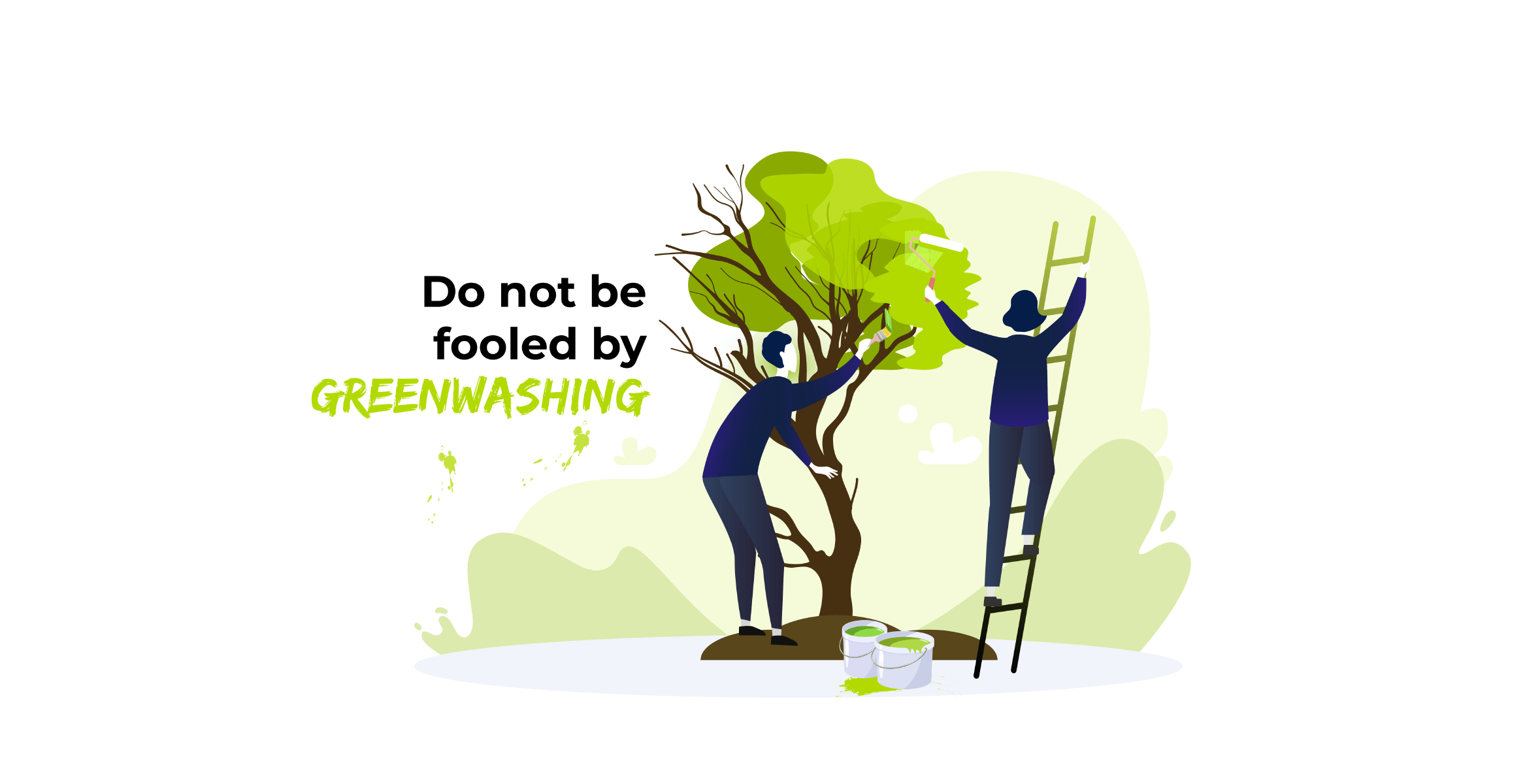
One of the biggest traps brands fall into is what I call “aesthetic sustainability”, packaging that looks green, language that feels right, but no proof of substance underneath. A simple example: order tea from a homegrown D2C brand and it arrives in a cardboard flask, giving you the feel of conscious delivery. But open it there’s plastic inside. That’s not sustainable design, it’s decorative greenwashing.
Others use selective storytelling. Highlighting one ethical initiative while glossing over environmental degradation elsewhere in the value chain. Or leaning heavily on vague terminology, “natural”, “organic”, “eco-friendly”, without third-party certifications or any measurable impact.
Greenwashing: intentional or not, it’s still a problem
Let’s be fair, not all brands that get it wrong do so with bad intent. Sometimes it’s ignorance. Sometimes it’s a pressure to keep up. But increasingly, it’s a result of disconnected internal systems: where marketing promises what operations can’t deliver.
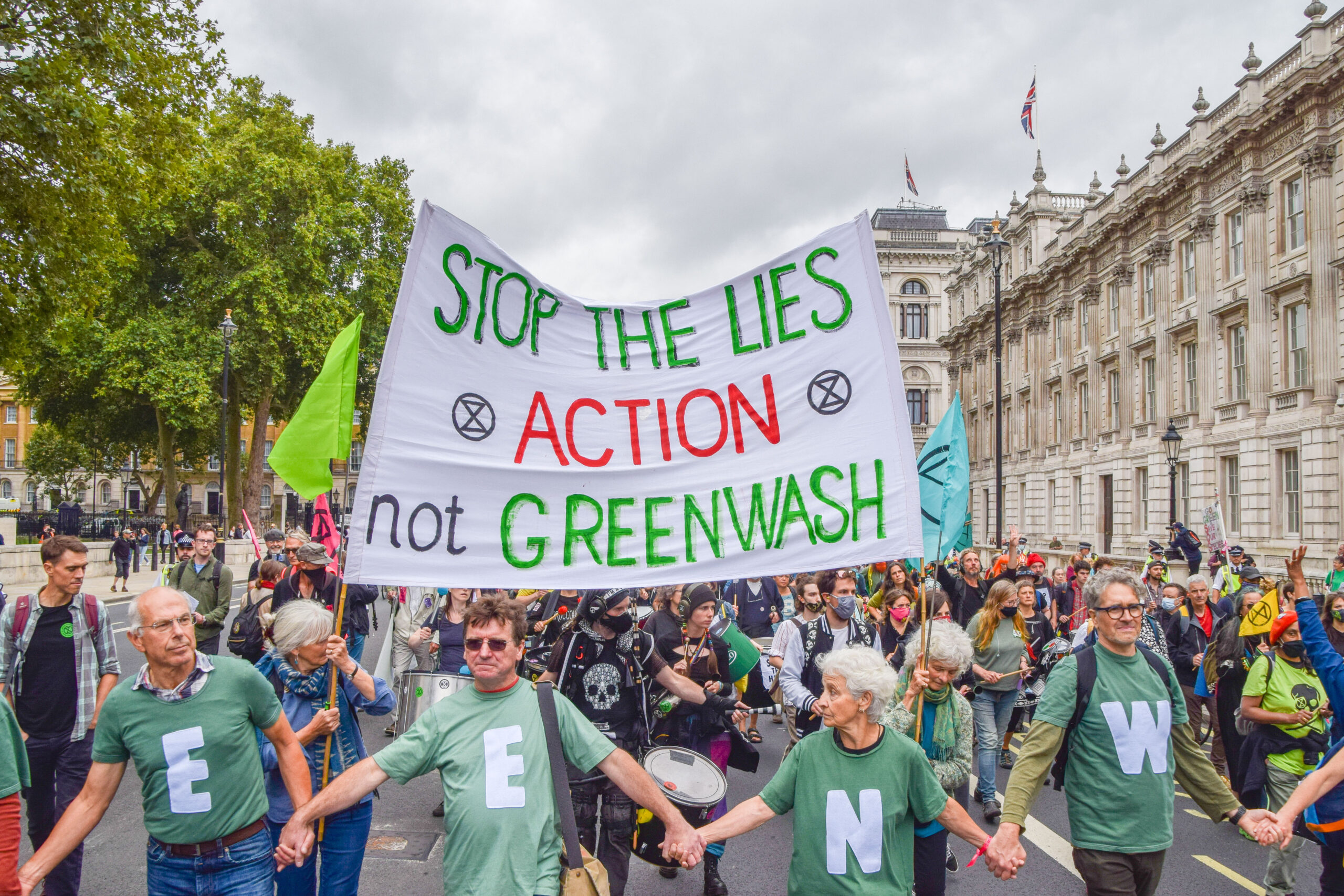
The danger here is that the audience has evolved. They no longer just buy into campaigns. They investigate, question and call out inconsistencies. One misleading claim, one greenwashed ad and years of brand trust can unravel overnight. And yet, time and again, we see brands ready to gamble with that trust in the name of visibility.
The Creative Industry’s Dilemma
Which brings us to a harder question: should the marketing and creative ecosystem say ‘no’ to briefs that ask for glossy storytelling over grounded truth?
In reality, very few do. Because let’s face it, saying no is a privilege, of size, of security, of a full pipeline. Many agencies, especially in competitive markets, don’t have that cushion.
But this is where the industry must mature. We shape perception. We write the scripts that influence consumer behaviour. If we continue to put polish over problems, we can’t call ourselves neutral participants, we’re enablers.
Even if we can’t walk away, we can ask better questions: Is this claim backed by data? Is there a certification? Can we show the actual impact or just the intention?
Towards a code of conduct
It’s time we had a shared framework. A self-regulated, industry-wide code of conduct for sustainability communication. One that says:
- Don’t make claims without proof
- Avoid vague language unless supported by measurable outcomes
- Ensure every green message aligns with the brand’s overall footprint
And most importantly, if it’s not real, don’t talk about it.
Think of this as the Advertising Standards Council of India (ASCI) for sustainability. Not a ban on creativity, but a brake on irresponsibility. A way to make sure our stories reflect reality, not just aspiration.
Why this matters now
Because we’re out of time. The planet doesn’t need another green-themed campaign. It needs action. And action begins with honesty.
We’ve glamorised creativity for decades. Now we must bring integrity into that conversation. And yes, it will be hard. But without accountability, we’ll keep telling stories that feel good and do nothing.

Sustainability can’t be a slogan anymore. It must be a filter through which we evaluate every brief, every message and every campaign. The audience is watching, regulators are catching up, the climate crisis isn’t waiting for the next awards season.
It’s not about perfection. It’s about progress, with transparency. And if we can’t lead that change from the frontlines of communication, who will?
Vikram Kharvi, CEO, Bloomingdale PR