

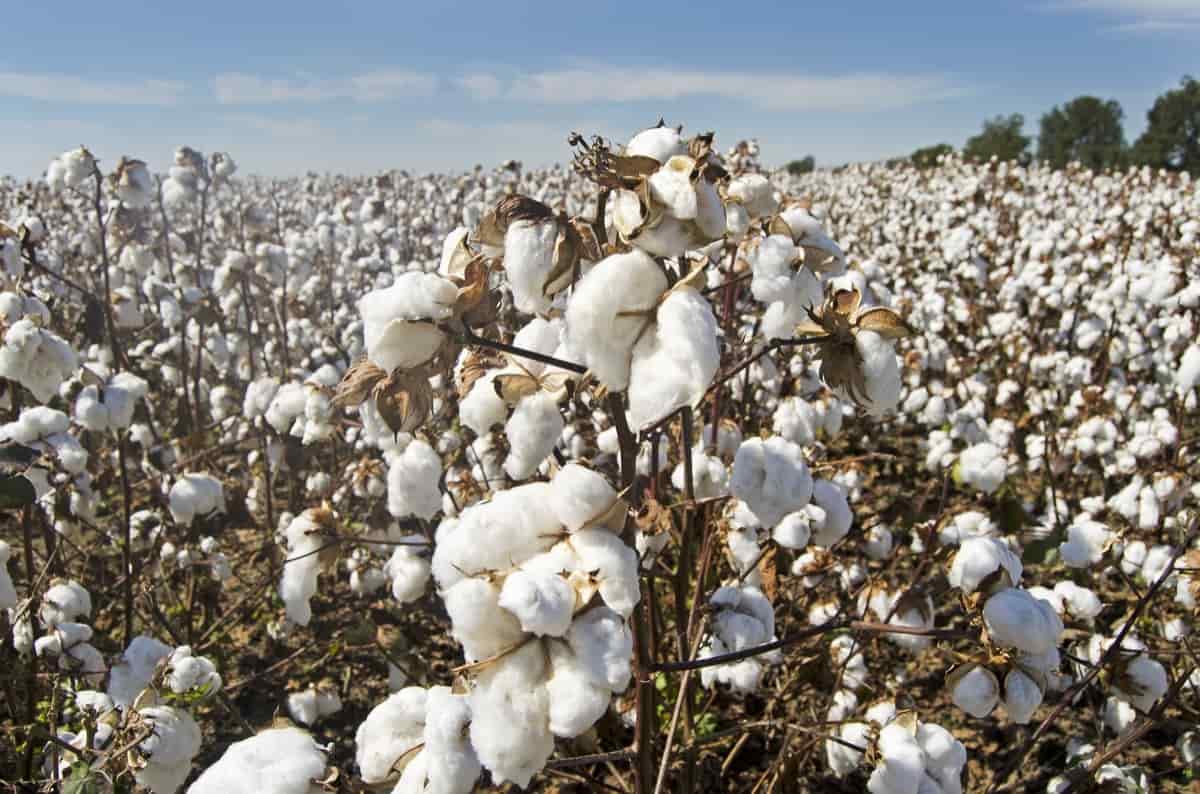
From Cotton Crisis to a Soil-First Revolution
India is one of the world’s largest producers of cotton, grown across over 12 million hectares in states like Gujarat, Maharashtra, and Telangana. Yet, cotton farming here is increasingly synonymous with high input costs, pest vulnerability, depleted soil, and farmer distress.
Despite policy pushes for crop rotation with pulses or oilseeds, monoculture persists
But what if we reimagined India’s cotton belt through the lens of startups—and the soil?
George Washington Carver’s (1864–1943) innovations in the U.S. Deep South offer more than history—they present a roadmap for India’s future. Carver rotated cotton with peanuts, sweet potatoes, and soybeans—each a low-input, high-impact crop that not only rejuvenated the soil but created entire micro-industries.
Carver, beyond his scientific brilliance, had a deep spiritual connection to nature. He believed that “nature is an unlimited broadcasting station through which God speaks to us every hour.” This reverence shaped his worldview: that the answers to human survival and prosperity lie hidden in the soil, the seed, and the spirit of service.
He never patented his discoveries and famously turned down a six-figure offer from Thomas Edison, choosing instead to serve poor farmers. These farmers leveraged his discoveries on the 300 uses of peanuts, over 100 uses of sweet potatoes, and several innovations involving soybeans.
If history offers a lesson, Carver’s life should inspire many startups in India—especially since India’s cotton crisis closely mirrors what happened in the Southern U.S. a century ago.
“The same soil that produces cotton fatigue can yield nutrition, wellness, and wealth—if we rotate our crops, our startups, and our mindsets.”
India’s own ancestral traditions—baranaja (twelve-grain intercropping), millet farming, and natural soil restoration—also demonstrate that sustainable farming is not alien; it is indigenous.
More on George W Carver: https://en.m.wikipedia.org/wiki/George_Washington_Carver
India’s Missed Opportunity: The Untapped Startup Potential
Despite growing interest in superfoods and sustainable farming, India’s startup ecosystem remains underutilized in the domains of peanuts, sweet potatoes, and soybeans:
• Peanuts (Groundnuts)
India is the second-largest global producer, yet peanut-based products like protein bars, nut butters, and cosmetic oils are dominated by imports. Startups can tap both domestic and export markets.
• Sweet Potatoes
Packed with fiber, vitamins, and antioxidants, sweet potatoes are under-consumed and under-branded. Globally, startups are innovating with sweet potato flour, soups, pies, chips, and starches.
• Soybeans
Soy is a nutritional powerhouse. With the plant-based movement growing, India can meet demand for clean-label soy snacks, dairy alternatives, and skincare products.
These crops improve soil health, cash flow, and climate resilience—yet their potential remains largely untapped.
Global Market Insight: The plant-based protein market is projected to exceed $40 billion by 2030—a vast opportunity for Indian startups.
Lessons from Carver’s Century-Old Model
Carver’s rotational model transformed lives in the Southern U.S. Through alternative crops and homegrown product innovations, Carver enabled cotton farmers to:
- Improve soil fertility
- Reduce dependence on external inputs
- Add value on-farm through peanut oil, adhesives, or glues
- Generate revenue across multiple product lines
His focus on dignity through self-sufficiency is something India’s cotton farmers are urgently seeking.
“Where there is no vision, there is no hope.” — George Washington Carver
A New Industry Around Regenerative Crops
a. Cotton Belt Startup Playbook
A special Startup India initiative should be created in collaboration with management or agricultural institutes. It should:
- Incubate startups in peanut oil, sweet potato flour, soy cosmetics Restaurants to develop peanut chutney, sweet potato soup, and other innovations to increase demand for these products.
- Develop rural processing units
- Enable export-readiness
b. Storytelling for Farmer Engagement
Farmer behavior won’t change with brochures. Use Carver’s story to build emotional buy-in. Regional-language films and audio storytelling can ignite farmer imagination.
Include success stories like that of Sagar Dhome from Madhya Pradesh who adopted crop rotation on his cotton farm.
(Source: Le Monde, 5 September 2024)
c. Corporate Mentor-Adoption
Under CSR, Fast Moving Consumer Goods (FMCG) and textile companies should adopt clusters and:
- Mentor Farmer Producer Organizations (FPOs) and other self help groups
- Guarantee buy-back of produce
- Invest in grassroots infrastructure
d. Diversified Rotation Models
While legumes are used in rotation, adding peanuts, soybeans, and sweet potatoes will:
- Rebuild soil structure
- Increase farmer income
- Enhance nutrition
- Reduce monoculture risks
Nutrition, Cash Flow, and Soil Regeneration
Each of the three crops has dual benefits—economic and nutritional:
- Peanuts: Protein-rich and mineral-dense
- Sweet Potatoes: Packed with Vitamin A and antioxidants
- Soybeans: Excellent source of complete protein
These crops are ideal for midday meal schemes, food security, and nutraceutical startups.
The Triple Win: Soil Health, Farmer Profit, Public Nutrition
From Monoculture to Farmer Conglomerates
Imagine farmers becoming co-founders of vertically integrated startups. With the right tools:
- Crops are rotated scientifically. Existing farm digital platforms build custom modules on crop rotation on cotton farms.
- Processing happens locally
- Products are branded and exported
- Communities gain both wealth and dignity
This is Carver’s model reimagined with India’s digital backbone.
Disruptive Tech to Supplement Cotton
Startups should also explore:
- Lab-grown cotton (like U.S.-based GALY) to reduce land and water use
- Used Textile upcycling (like Infinited Fiber Company, Finland) transforms used cotton textiles to high quality fiber.
- Novel Sari innovation : About 25% of the unseen portion of a sari could be with plain upcycled cloth or cloth derived from waste milk (QMilk makes textiles from waste milk) and so on.
Freeing up land with disruptive innovations means more room for soil-restoring crops that power more innovative startups without compromising fiber demand.
The Soil is Ready. Are We?
India’s cotton belt doesn’t need rescuing. It needs regenerative imagination.
The answer lies not in more chemical inputs or subsidies—but in learning from nature, history, and innovation. George Washington Carver’s life and work reveal a timeless truth: when we heal the soil, we heal society.
By rotating our crops, mindsets, and investments, India can build a future where farmers aren’t stuck in cycles of despair—but thrive as soil stewards and startup founders.
“Startups should focus not only on silicon but also on soil.”

Ram Ramprasad is a sustainability strategist and author focused on regenerative development and climate solutions. A former global marketing director at a leading multinational, he holds degrees from Madras University and Yale University. Ram has published widely on clean tech, circular economy, and elemental policy design.
Ram’s previous articles published in SustainabilityNext
Common Sense Strategies to Reduce Methane Emissions from Cattle
Integrated Offshore Water and Wind Solution for India’s Coastal Cities
Gut and Soil Microbial SustainAbility Bridges Science and Ancient Indian Wisdom
From Waste to Wealth: Rebranding Sewage Treatment Plants (STPs) to Resource Recovery Plants (RRPs)
The Hidden Crisis with Our Beds
Startup ideas for Sustainable Cremation and Burial Solutions in India
How India’s Agriculture Can Save 200 Billion Cubic Meters of Water
Ten Powerful Reasons for Declaring Moon A Living Entity
Sustainable Wind Turbines: Balancing Bird Protection and Agriculture
A Holistic Water Strategy for India
How India Can Leverage its GST Model for Building a Sustainable Future
A Toolkit for India’s Green Transition
Green Building Strategy – Integrating Innovations from East and West
Eat Less Fish, Save the Planet
Startups are Working Hard for a Plastic-free World
Hydrogen More Harmful Than Fossil Fuels
Tech Startups Can Make India Water Rich
Measure How Basic Elements are Doing, Not Just GDP
A Radical Strategy for A Greener India – The Story of Kusha






[…] Healing India’s Cotton Belt Through Sustainable Startups: Learnings From a Century-Old American Bu… […]