

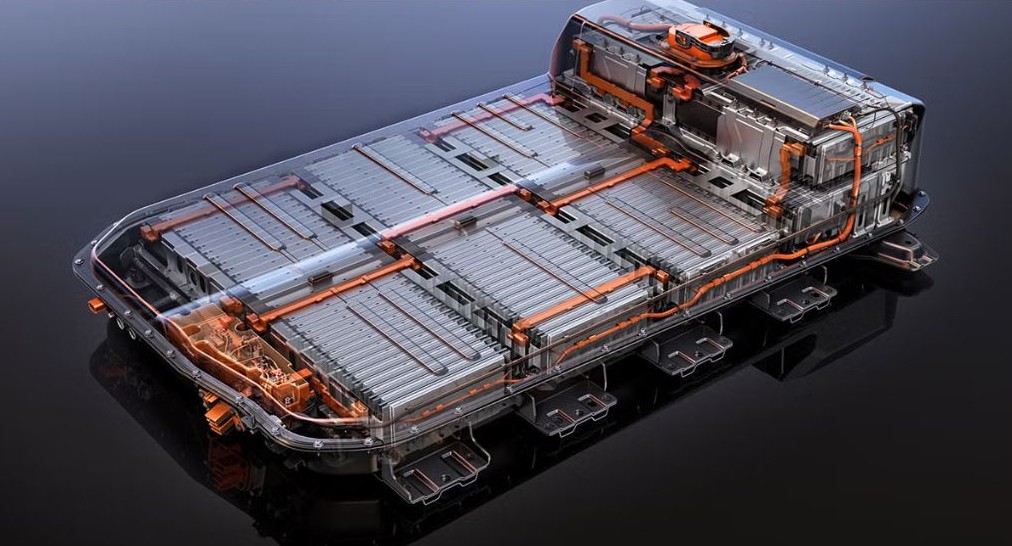
Electric vehicles (EVs) have stopped being some futuristic pipe dream – they’re fast becoming the norm. As governments, car makers and consumers alike start to focus more and more on going green, the switch to electric is picking up speed. While this change of gears has its benefits – fewer emissions, lower costs to run – it also brings new challenges to the table, particularly around how reliable EVs can be and how long those batteries will last.
Enter Prognostics and Health Management (PHM). By using predictive maintenance and keeping a close eye on how EVs are performing at all times, PHM is totally transforming the way EVs are looked after. Rather than just sticking to scheduled servicing or trying to mend things after they go wrong, PHM is proactive – it lets you know when something might go wrong long before it happens.
In this blog, we want to explore just how PHM is changing the game for the automotive industry and how it’s making electric vehicles a much more attractive option for those all about sustainable mobility.
Understanding Prognostics and Health Management Systems
Prognostics and Health Management, or PHM for short, is basically a clever framework that uses sensors, data analysis and AI to keep an eye on how healthy a vehicle’s systems are. Unlike old-fashioned maintenance strategies that rely on timed servicing or just fixing things after they break, PHM takes a more forward-thinking approach.
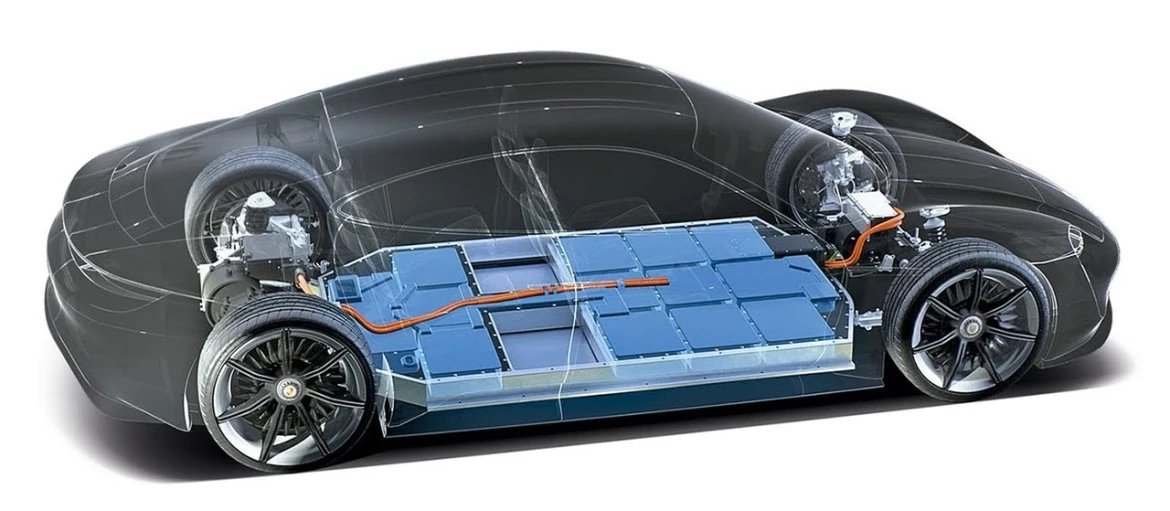
By keeping a close eye on some of the more critical components of an EV – like the battery, the electric motor, the power electronics and the thermal system – PHM can spot early signs that something might be going wrong. And with that information comes the chance to do something about it before it becomes a major problem.
In a way, PHM is like having an intelligent co-pilot for electric vehicles, making sure that the vehicle runs as smoothly and efficiently as possible from the day it’s made right through to the end of its life.
Why Electric Vehicles Need Prognostics and Health Management
The thing is, electric vehicles are totally different from the traditional internal combustion engine kind, and that difference brings its own set of challenges that make PHM pretty essential:
- The risk of overheating, which can happen when you’re fast charging an EV and the conditions get extreme
- The super-complexity of the electric powertrain, which needs to have all its bits working in harmony or else the whole thing can fall apart
- How EVs get exposed to the elements – extreme temperatures and humidity can have a real impact on how reliable they are
- The fact that there just aren’t enough skilled EV technicians out there and the diagnostic options are still evolving
- Battery degradation – it’s a real thing, and it can really cut down the range on your EV, slow down charging and cause all sorts of performance issues
PHM tackles all these challenges by giving you total visibility into the health of your vehicle, letting you know when things might be going wrong before they do and providing you with the information you need to keep your EV running safely and efficiently.
How Prognostics and Health Management Works
At the heart of a PHM system is a network of sensors that are strategically placed right across the vehicle – these capture all sorts of vital information like voltage, current, temperature, vibration and charge-discharge patterns.
All that data gets sent off to a series of fancy analytics platforms where machine learning algorithms can take a look at the trends and patterns that are emerging – and if anything looks like it might be pointing to a potential failure, the system can sound an alarm and let you know to take action.
PHM systems are really smart too – they learn from your usage patterns and adapt to all sorts of real-world variables – like how hard you drive, what conditions you drive in and how you use the vehicle. All of this makes the system’s predictions more and more accurate over time.
Key Benefits of Prognostics and Health Management in EVs
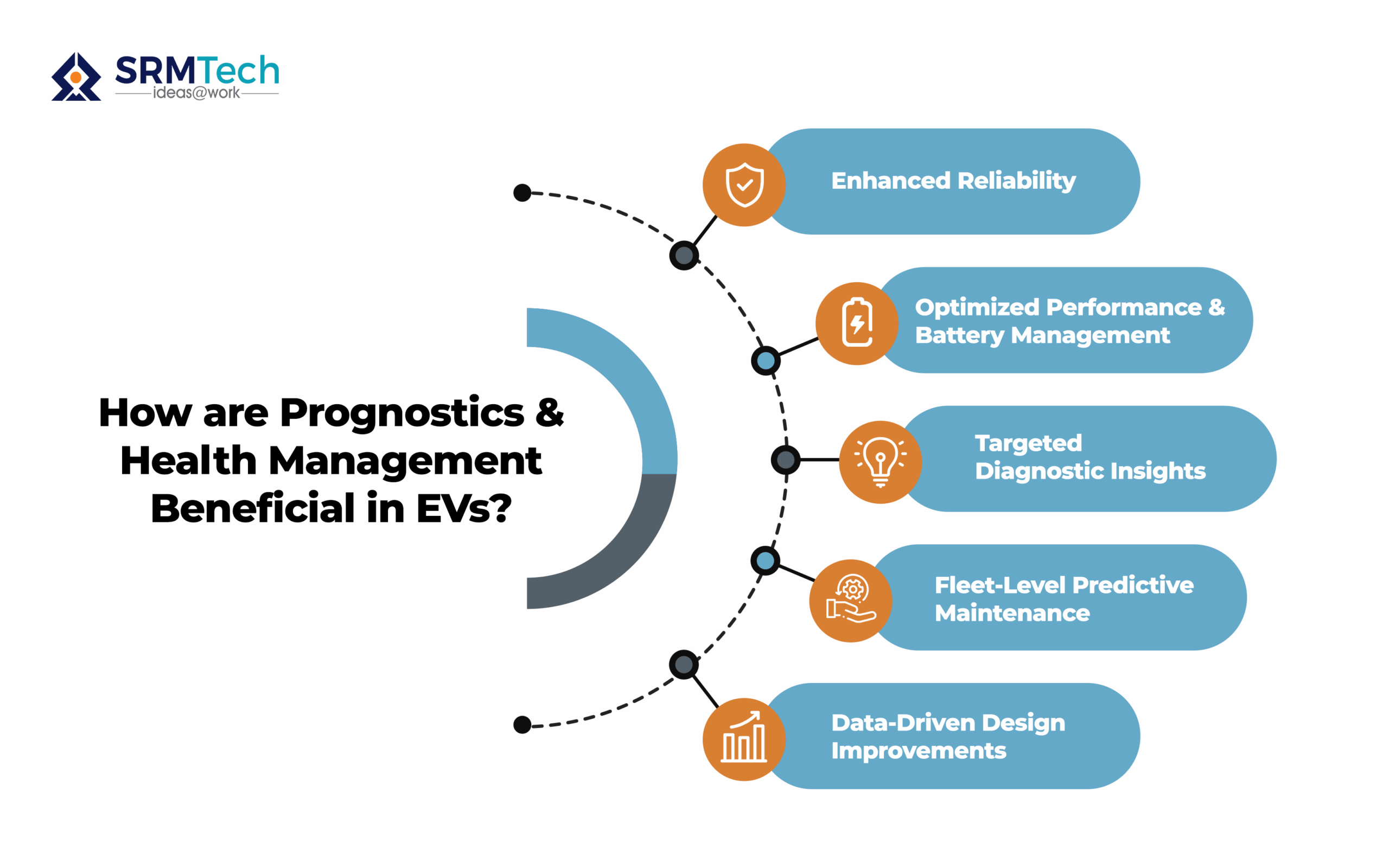
Better Reliability and Safer Batteries
With PHM, you can be sure that your battery is always operating safely and within the limits you need – so conditions like overcharging, deep discharging and overheating just don’t happen. By stopping these kinds of issues in their tracks, PHM really helps to extend the life of your battery and keep your EV running smoothly.
Optimised Performance and Battery Management
PHM keeps a close eye on things like the state of your battery’s health (SOH) and how full it is (SOC). And if it spots any inefficiencies, whether it’s to do with charging speeds, thermal performance or energy consumption – PHM lets you know so you can do something about it.
Better Diagnostic Capabilities
PHM gives your technicians and service teams all the information they need, direct from the data, to prepare in advance for any maintenance tasks. This means less downtime and a much better repair rate – and a happier customer as well.
Predictive Maintenance on a Fleet Level
For car makers and fleet operators with lots of EVs, PHM lets them look at the performance of the whole fleet – and identify any common issues that might be causing problems. With that information, they can schedule maintenance and repairs in advance – which means less downtime and a lower cost to boot.
Data-Driven Design and Continuous Improvement
In a way, PHM isn’t just about maintenance – it’s also a valuable source of insights into how vehicles are really being used in the real world. And that means car makers and engineers can use all that data to make better choices when it comes to design and engineering – and make better vehicles as a result.Core Technologies Behind Prognostics and Health Management
PHM systems are made possible by a bunch of cutting-edge technologies that all work together to make this stuff happen:
- IoT sensors make it possible to keep a constant eye on how a vehicle is running and what shape its in – all in real time
- AI and Machine Learning can take big, complicated sets of data and spot potential problems, figure out when something might fail, and even help you figure out when to do some maintenance
- Cloud Computing lets you store, analyze and look at data in real time from anywhere in the world, which makes it much easier to monitor a whole fleet of vehicles spread out all over
When all these technologies come together, they create an intelligent system that can take raw data from a vehicle and turn it into real insights.
Challenges in Implementing PHM
One thing that stops some companies implementing PHM is those challenges that come with it. For one, integrating sensors and analytics platforms makes things much more complicated, and that can require you to invest in some pretty special expertise. There’s also the problem of keeping all that sensitive data private and secure – PHM relies on a lot of data, and that creates a problem.
Another thing to consider is getting the outputs from that analytics into something that people can actually use. You need to make sure that users have a clear and easy way to look at and understand that data.
EV Solutions at SRM Tech
At SRM Tech, we see PHM as a big part of the future of electric mobility. With more than 20 years of experience in automotive engineering and digital transformation, we’re well placed to deliver end to end EV solutions that are designed to make electric vehicles more reliable, perform better and are more secure.
We do all sorts of things – from in vehicle connectivity and advanced diagnostics to automotive cybersecurity and SDV software design and development. This means we can help manufacturers and mobility providers to build intelligent, future-proof EV platforms. We use those insights to help our customers innovate and make sure that their businesses are safe and running smoothly.

Director – Sales / Mobility Solutions
To find out how SRM Tech can help with your EV ambitions, explore our comprehensive EV solutions right here:
https://www.srmtech.com/services/mobility/ev-solutions/
Deepak Changdeo Sirsath
Director – Sales / Mobility Solutions
Deepak Sirsath is a Director of Sales at SRM Technologies, specializing in global automotive accounts. With over a decade of experience, he excels in market analysis, strategic planning, and business growth