
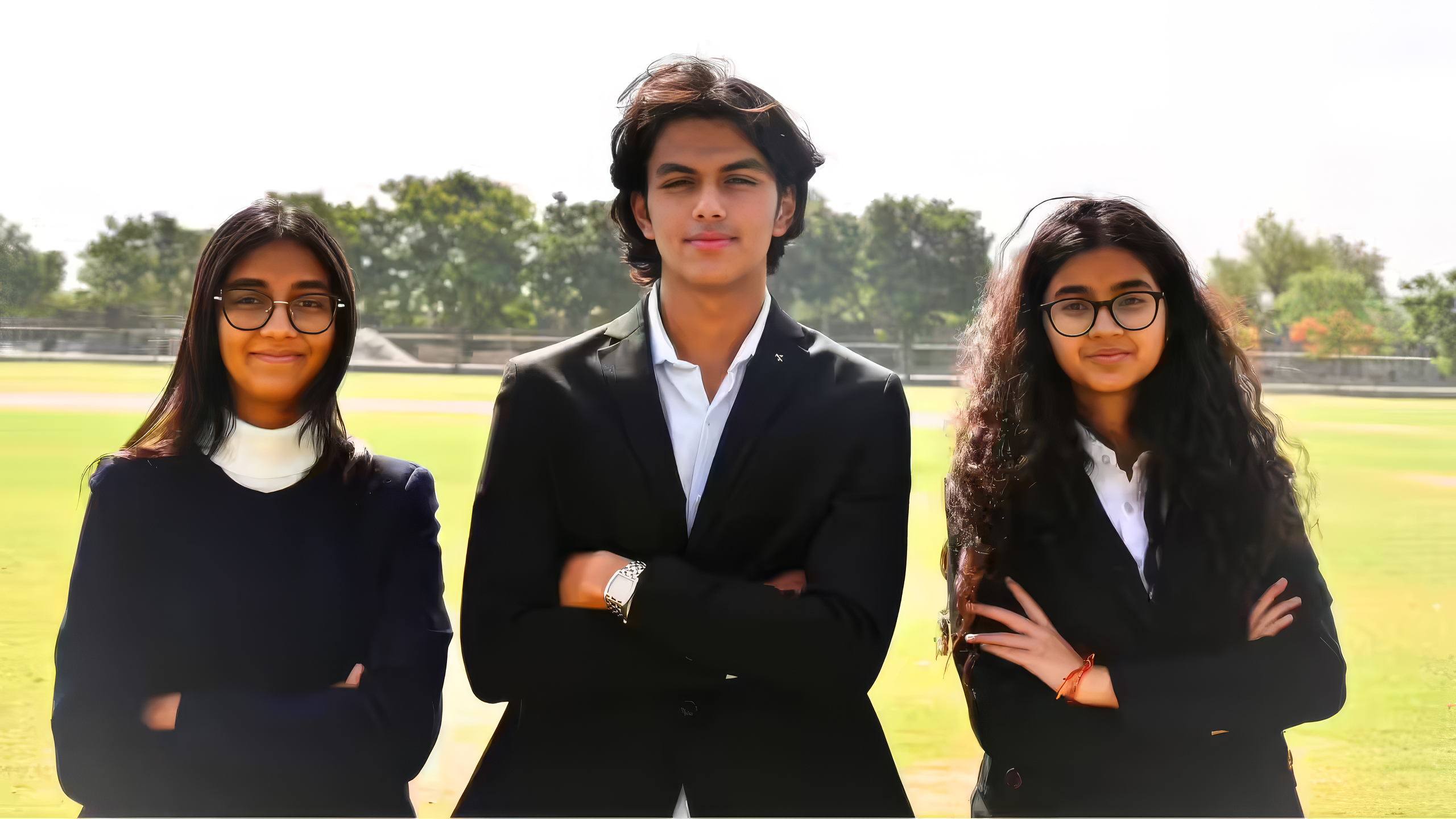
Inspired by visits to rural communities where families stored drinking water in shared containers without advanced filtration systems, the trio developed a low-cost method aimed at addressing growing concerns around invisible plastic pollution in drinking water.
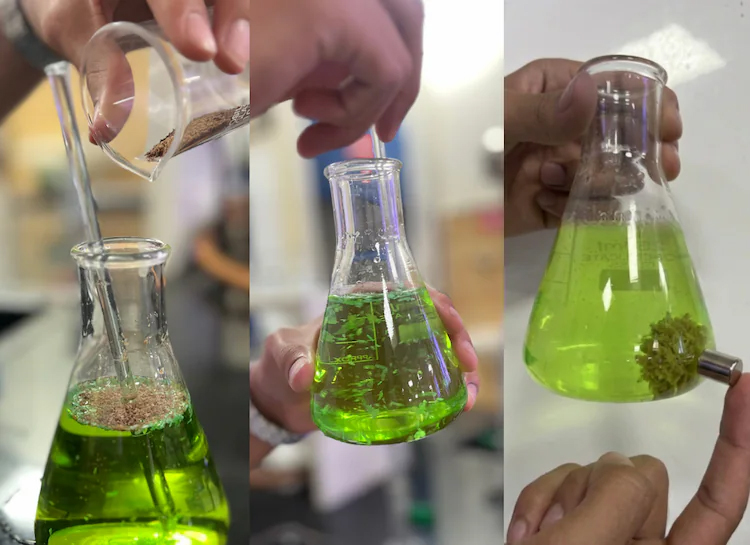
The students from Jayshree Periwal International School in Jaipur named it Plas-Stick, which is a biodegradable powder made primarily from tamarind seed water. When added to contaminated water, the powder attracts microplastic particles and causes them to form larger clumps that can then be removed using a handheld magnet.
Because it uses biodegradable and locally available materials and requires no electricity or advanced infrastructure, the solution could potentially work in rural and low-resource communities. The students have also collaborated with professionals from Indian Institute of Technology Guwahati and say the project has already reached more than 8,000 students and teachers through awareness and demonstration programs.
Recent scientific studies have identified microplastics in drinking water, seafood, human blood, lungs, placentas and even brain tissue. Researchers are still studying the long-term health effects. Globally, more than 2.2 billion people still lack safely managed drinking water infrastructure, increasing reliance on stored water that may contain microplastic contamination.
The Earth Prize is the world’s largest environmental competition and ‘ideas incubator’ for teenagers aged 13 to 19. Founded by The Earth Foundation in Geneva, Switzerland. The winners were chosen by a public vote of 23,000 people from seven regional finalists.
The programme supports youth-led sustainability projects through mentorship, educational resources and funding opportunities. Now in its fifth year, The Earth Prize says it has reached more than 21,000 students across 169 countries and territories.
The three Indian students received $12,500 in funding to continue developing their project, along with mentorship opportunities and international exposure.
The invention would require further testing before large-scale deployment. Experts would need to evaluate filtration effectiveness, long-term safety, scalability, water quality standards and regulatory approval before it could become commercially available.
Peter McGarry, Founder of The Earth Foundation, said that the invention is exactly the kind of invention that the prize was created to elevate. “By transforming agricultural waste into a practical tool for removing microplastics from drinking water, these young innovators are addressing a growing global challenge with remarkable creativity and purpose,” McGarry added.