

What’s even more alarming, and poses an inconvenient question – why is the Indian industry so slow in investing in climate solutions when data shows that the returns on investment are attractive in the medium to long term. According to the IiAS is that among those who have set the set-zero targets for 2030, many lack clear execution plans. They have vague timelines and no credible pathways. The Institutional Investor Advisory Services (IiAS) is a SEBI-registered category II ESG rating provider to top 500 listed companies in India.
While those who have set 2050 as the net-zero target, show no urgency for action in the near term. Most companies that have set this timeline don’t have a clear execution plan yet. However, of the Nifty 50, 70% have climate climate targets up from 62% in 2025.
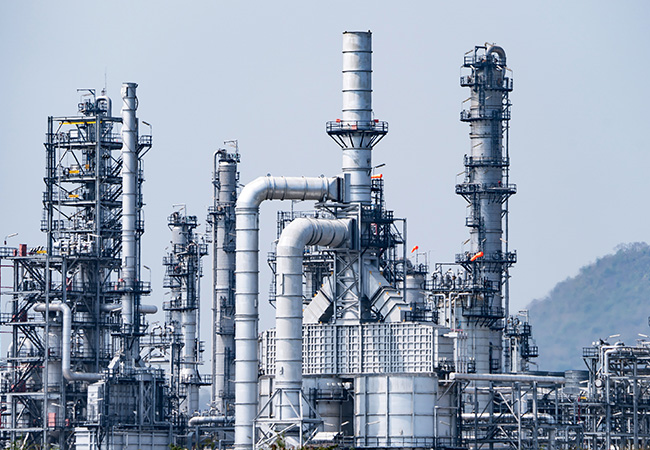
There’s no prize for guessing who the leaders are. It is easier for the information technology and FMCG companies to set the net-zero timelines as they have much lower direct emissions and can access renewable energy easily. The hard-to-abate sectors like steel, cement, aluminium and mining sectors still depend heavily on fossil fuels. There’s a lot of progress there and these companies compete to reduce cost of production through better energy efficiency technologies and management.
IiAS’ methodology focuses on bridging the gap between high-level sustainability promises and tangible, audited data. It relies on quality verification rather than on just reporting data.
India’s subsidy regime, excerpts say, has been crying for reforms. Subsidy for fossil fuels is still three times higher than that for clean energy, which is only 10% of the total subsidies spent. The Mapping India’s Energy Policy 2026: Power Subsidies and Supply Shocks states that rising fuel subsidies are “shrinking the fiscal space for scaling clean energy.”