
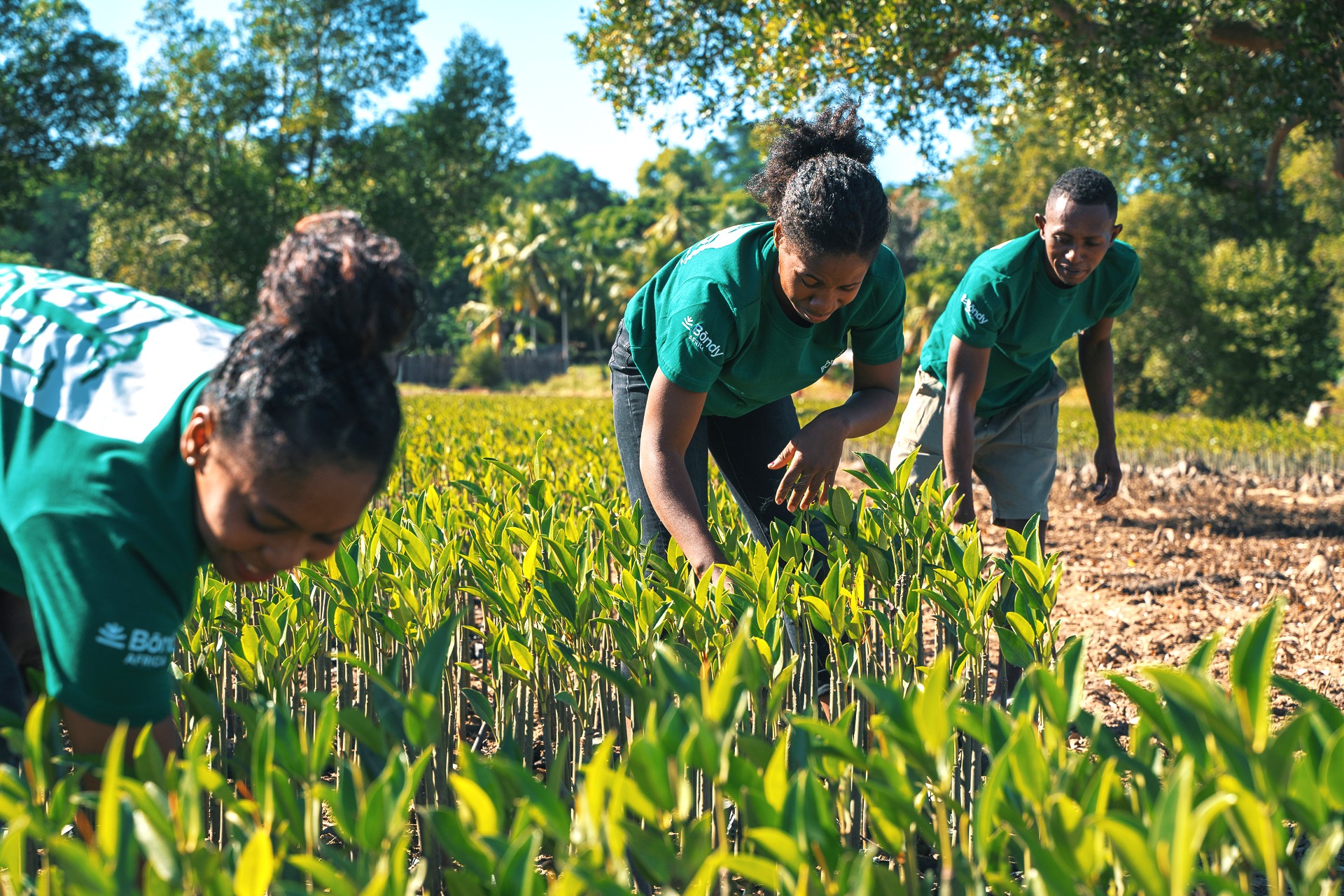
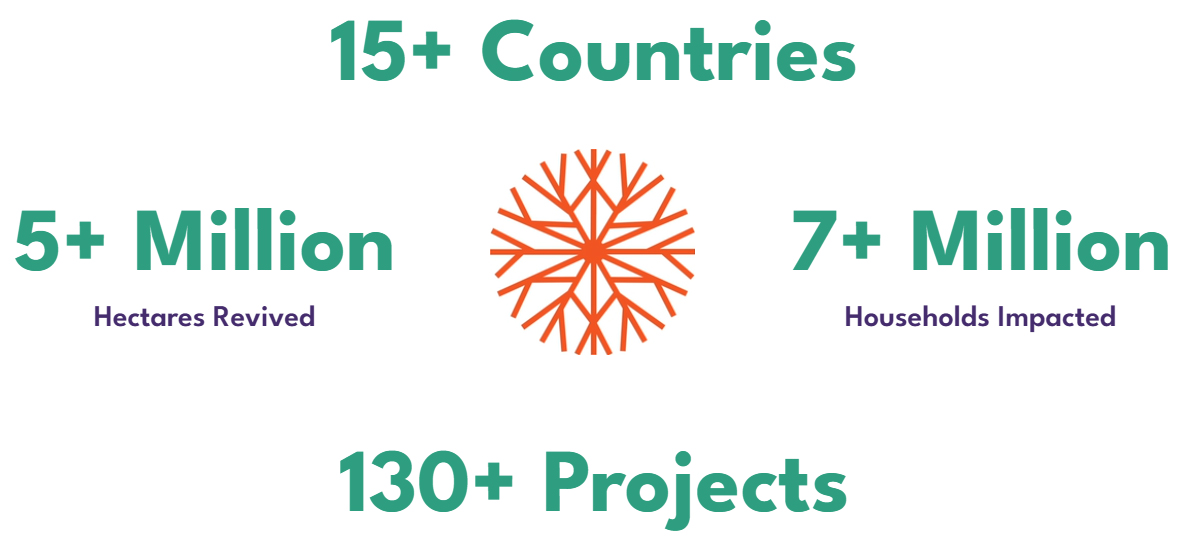
Known globally as VNV, Value Network Ventures is a locally-rooted climate project developer, mobilizing carbon finance to drive community-powered climate ventures at scale. Through 130 projects globally and 50 in India so far, it is championing the cause of climate resilience and a just transition effectively.
VNV’s winning formula is aligning with national, state-level, and local priorities, and strengthening institutions that operate there. This approach has helped the long-term adoption of solutions and de-risked current and future investments. Its data libraries have helped in building integrity and transparency.
In a chat with Benedict Paramanand, Editor of SustainabilityNext, at its office in Bengaluru recently, Sandeep Roy Choudhury, Co-Founder of Value Network Ventures, dwells on what they did right in making such a massive social impact. How VNV mobilizes carbon markets to drive high integrity, community-powered climate action at scale.
It is easier to report quantitative impact. How can we capture the qualitative impact of your work?
There are three qualitative elements in our reporting. One is, we were very keen to build financial inclusivity into our programs because we work a lot with carbon credits.
Carbon credits are here today, but they won’t be there forever. We build a system where the system has a self-financing mechanism.
We build ecosystems of financing. It is a slow grind. In nature nothing changes in 10 years, it will take 20 to 30 years. How do you build a lasting system?
Stewardship is the second aspect. Stewardship is how we pass on from us to them and from them to the future generation. Any nature-based program is intergenerational.
Here’s an example. When I went to Uttarakhand in 2009, I met a nine-year-old girl. When I went there recently, she was 21 years old. She told me who is working on what aspect of a project we have been doing there. That is generational environment stewardship because that person now believes in the value of the forest for the community. This is a key qualitative aspect of our impact. We spend a lot of time designing such projects.
How many Community Projects have you done so far?
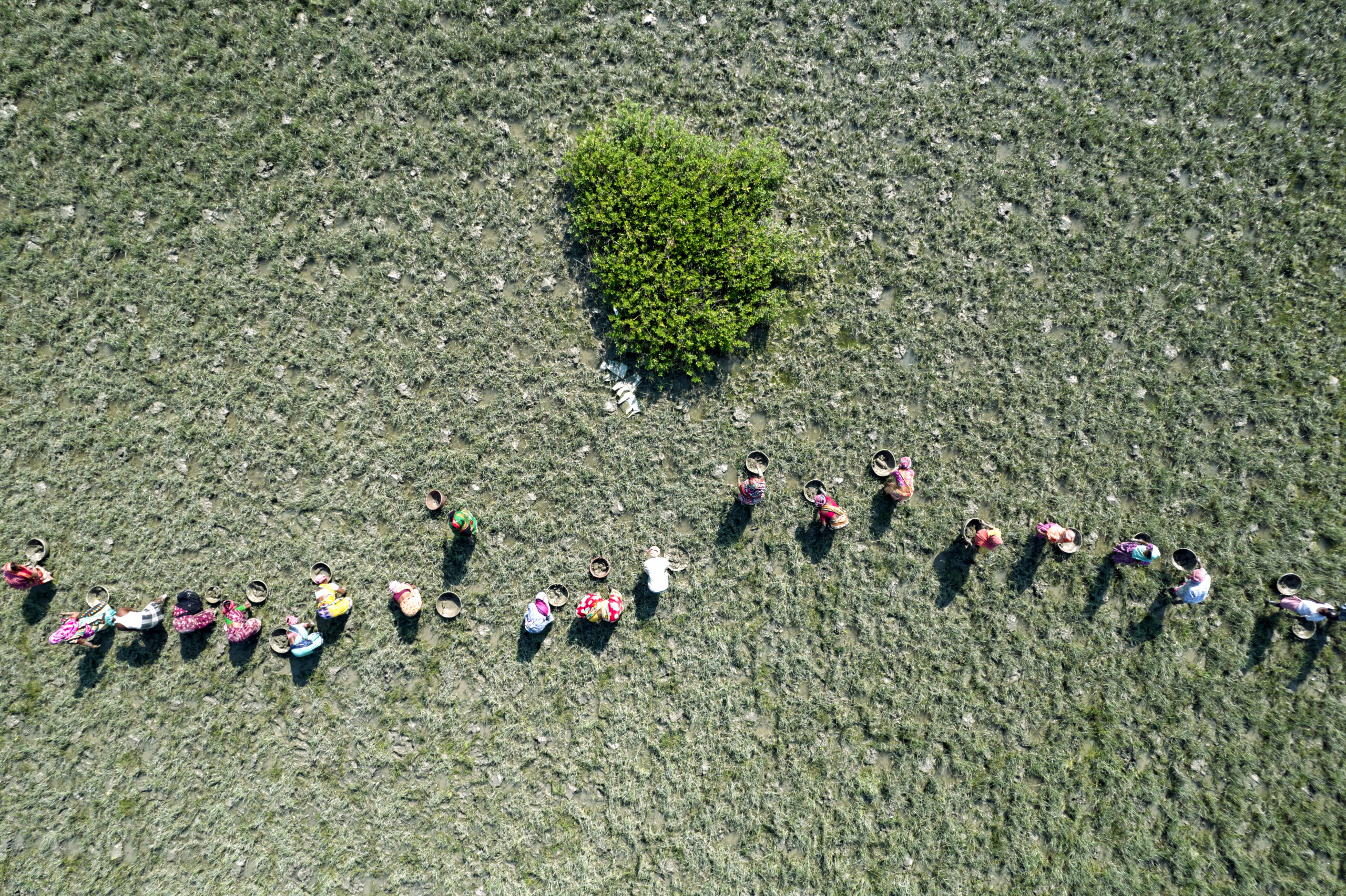
It’s close to 120 spread across the Global South. Of this, 50 are in India. We have been in this space for about 18 years, so 120 is not that big a number. We never set up to be big. Our power is in the power of networks.
The whole idea is to build capacity, build knowledge, and sustain knowledge. I think we take more knowledge from the community than we pass on. But sustaining that knowledge in the long term is very important for us.
Power of Collectives
We encourage the idea of collective use of funds. If I give one farmer, say, 4000 rupees a month, it won’t really change his life. But if we pool that from 2000 farmers, we can set up a processing center.
For example, there’s an agroforestry project focused on planting mango trees. Our job is to expand the mango tree plantations and leave. But the real question is, will this project survive?
But if we pool the money and set up a pulp processing center, we soon havePepsi and Coca Cola wanting to buy that pulp at almost three times the price of mangoes. That is the kind of approach that builds more sustainable, long-term change.
Tomorrow, even if there’s no carbon credit, it doesn’t matter. The mango supply chain will be there forever. That is more important. Similarly, we work with fishing collectives. I am a big believer personally in the power of the collectives.
3 Big Lessons for Aspiring Community-led Projects…
Don’t go with preconceived notions. Preconceived notions about anything, good, bad or ugly. Pay close attention to human nature. Inadvertently, power structures will emerge, whether you like it or not. How you choose to manage those power structures is something you need to think through early, because once they spiral, they become much harder to control.
Number two is trust. You’ll not be able to do anything unless you have the trust of the community. And it is not just plug and play. If I turn up there with money, will everything work? No. Which is why we work with networks and NGOs who’ve been there for many years and worked on community projects.
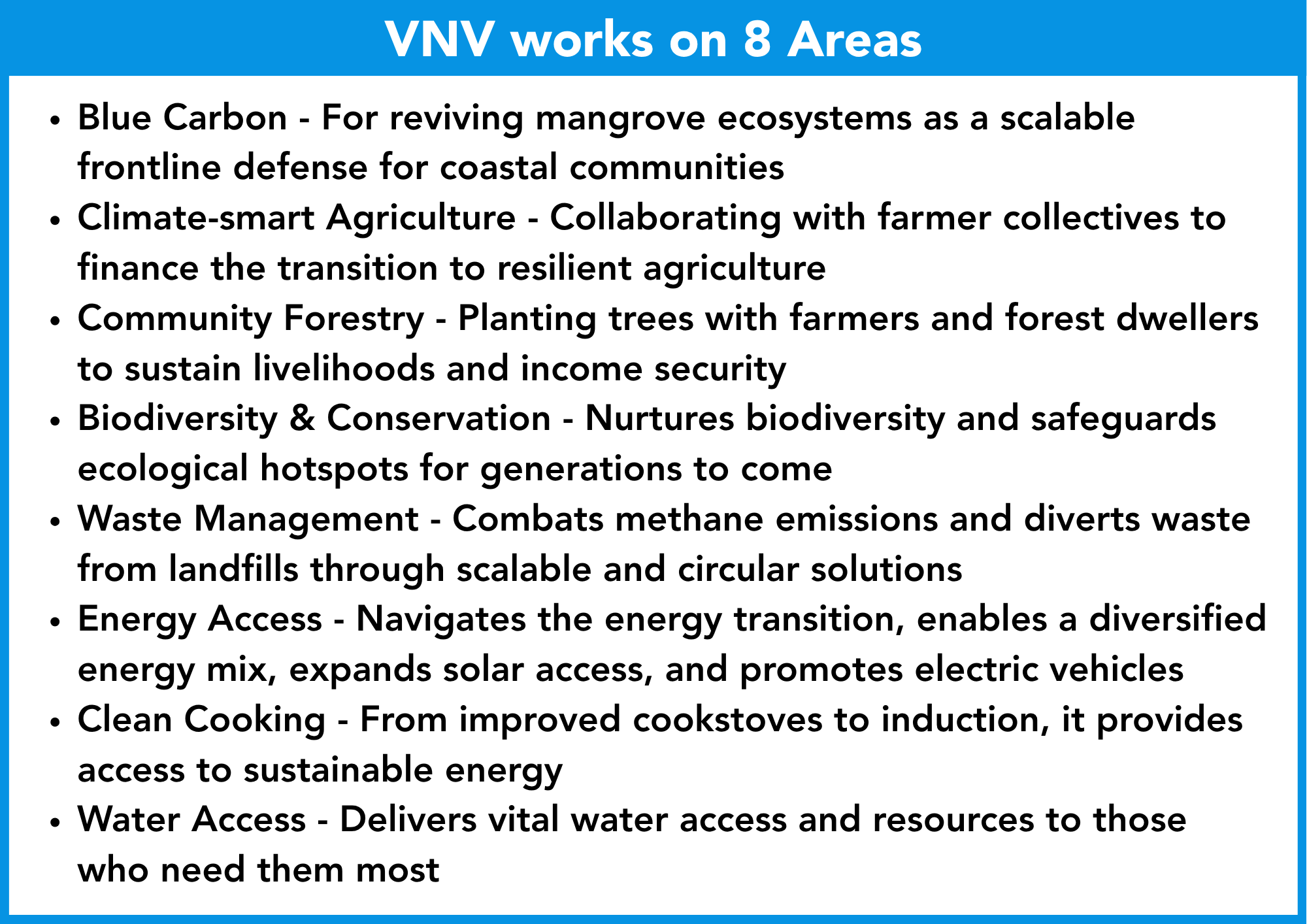
And third is stewardship. If you don’t have a long-term plan for how a project will transition and sustain itself over time, you will never be truly effective. We learnt this through a few failures ourselves. I believe that human connection with the people on the field is extremely important.
How easy or how much money have you been able to get from carbon markets and put it into community projects?
We’ve been raising carbon money since 2009. We work on a benefit share model – 75% goes to the communities. We would have raised at least $500 million by now.
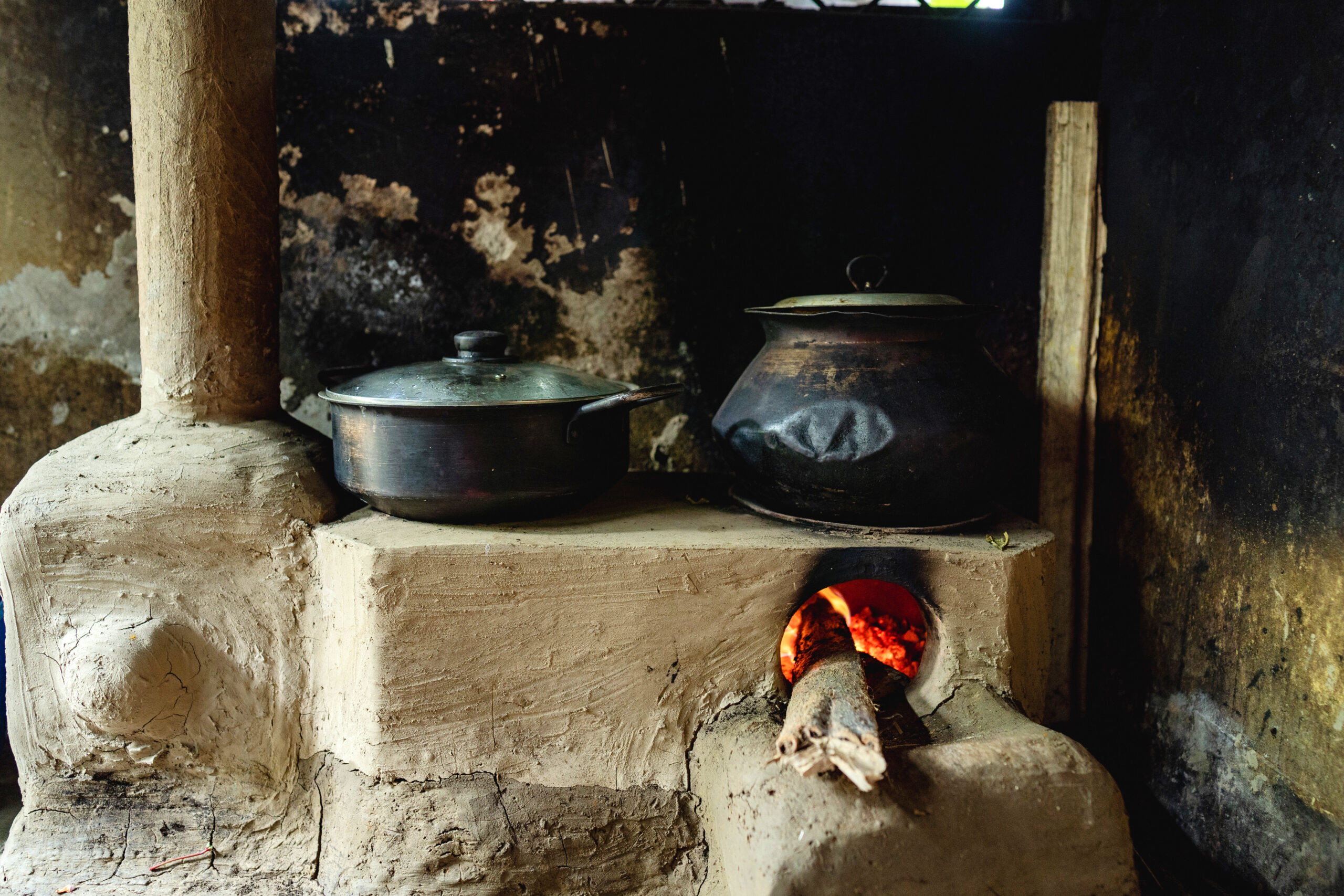
In just one of our programs in Bangladesh, we raised over $75 million. It’s for a clean cooking program. When we came in, only 250,000 households were part of this program in 2012. Because of carbon revenue, by 2020, we had reached 6 million households.
For a smaller country, bringing in that level of climate finance can have a transformative impact.
You have an interesting take on the social cost of carbon…
The world is obsessed with carbon pricing alone, and this does not take into account the social cost borne by communities. If we include this metric, carbon markets can work better for communities that are affected by climate change.
Carbon is only one part of the climate solution. We can look at carbon markets as a source of climate adaptation finance. I think the understanding of the social cost of carbon is lacking from the climate solution today. We can call that ‘carbon tunnel vision’.
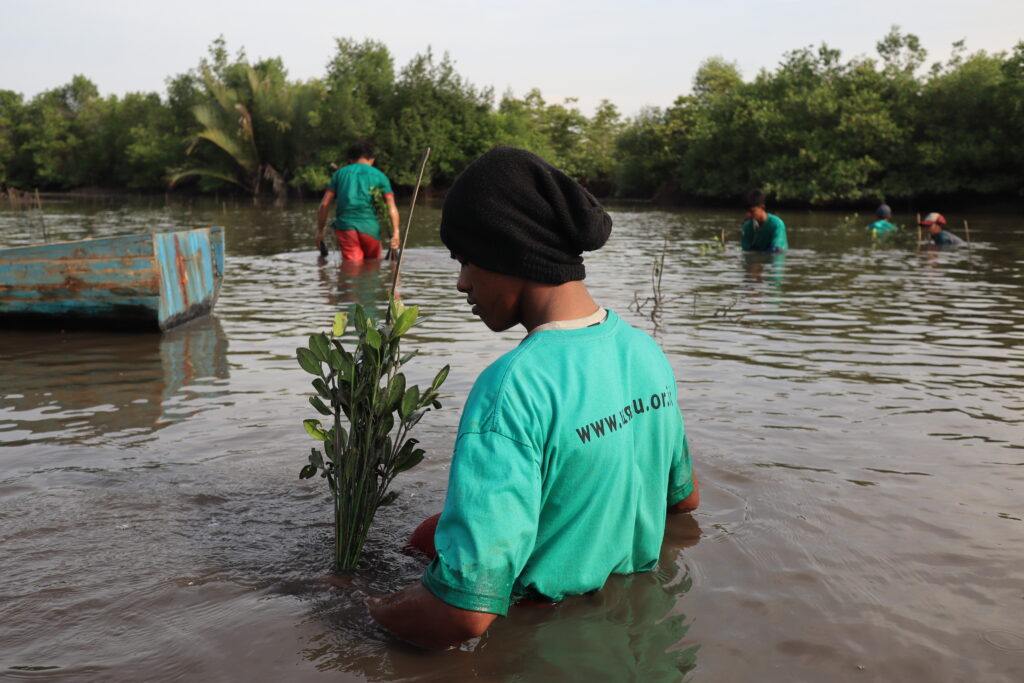
For somebody living in the Sundarbans today, the social cost of carbon is extremely high. There’s regular flooding in Bangladesh because the Himalayas are melting rapidly. And the Himalayas are melting faster because there are fewer trees left.
Today, this is an ecosystem problem. It is a people problem, not just a carbon problem. The world now needs far more green infrastructure. We are currently working on oak tree restoration in Uttarakhand, which is a typical green infrastructure project, in partnership with local panchayats.
The concept of the social cost of carbon is still nascent., and we are working hard to help bring it into the mainstream. We have a team of social scientists exploring how this can be quantified. It doesn’t have to be perfect.