


Social Alpha can be a model for addressing India’s massive gaps in healthcare, education and employable skills. But for more such initiatives to succeed, India needs to support longer-term risk capital and make the ease of doing NGO business easier.
India has been a land of a million dead pilots. Access to seed funding for science and tech startups is getting easier but a poor appetite for medium to long-term risk capital continues to haunt and hurt the nation’s innovative spirit. It gets worse for social sector startups.
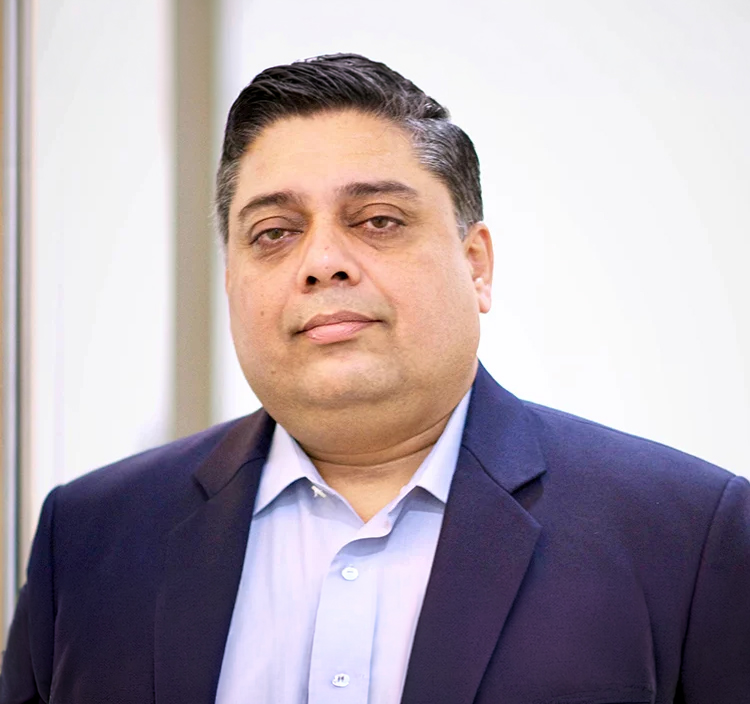
Manoj Kumar set out to change this narrative in 2016. He realised that India’s complex social, economic and environmental challenges urgently needed a radically new approach. He set up Social Alpha to bridge a wide gap between ideas, risk capital and impact. It built a flexible lab-to-market model, stayed longer with high-risk-high-impact ventures, and derisked technology and adoption in parallel.
Social Alpha operates through a nationwide network of technology and business incubation infrastructure. It is sponsored and enabled by the Government of India and several academic, philanthropic and corporate partnerships.
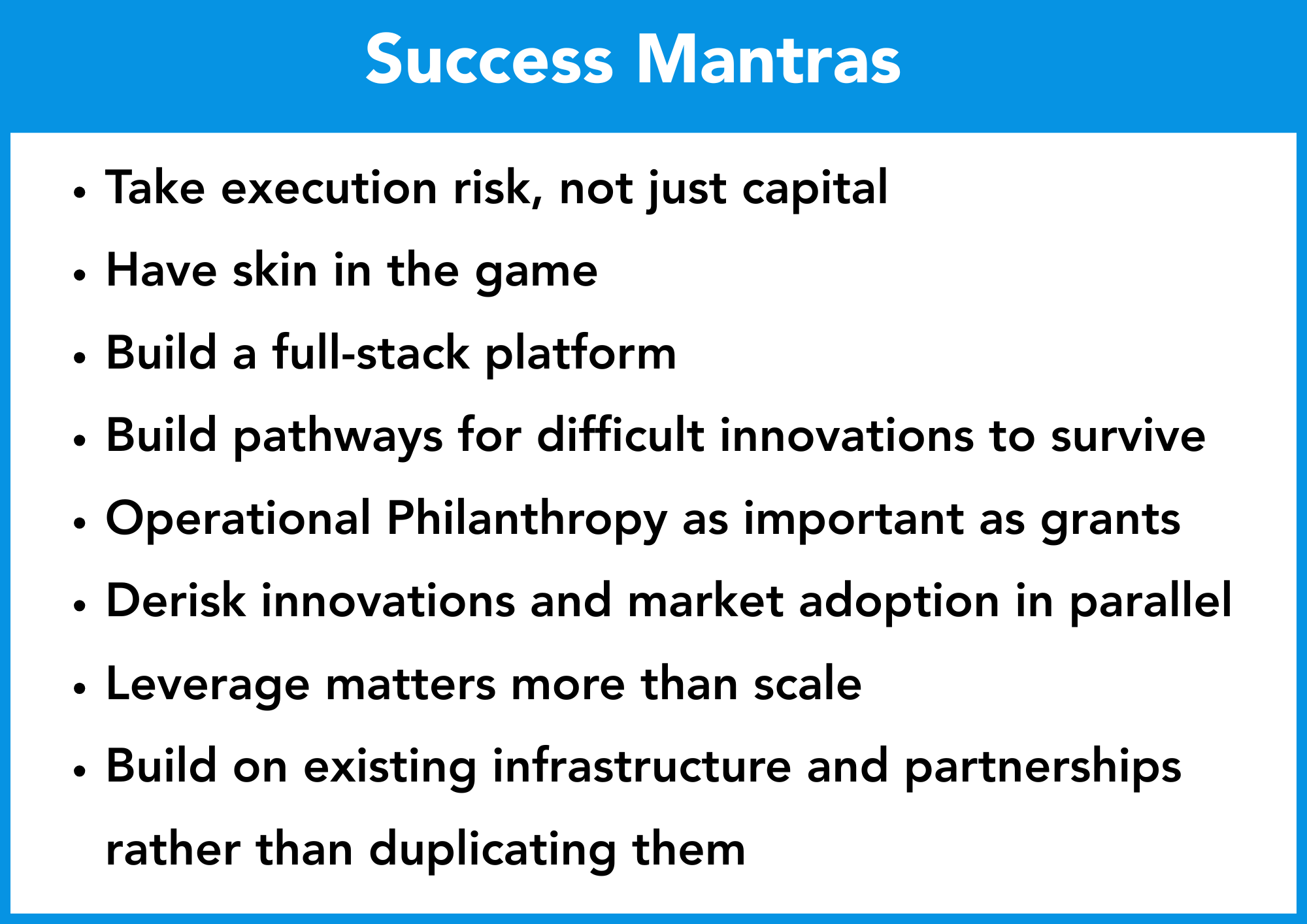
In his reflective post recently, Manoj wrote, “If science-led innovation is to create real social and environmental impact, it must be de-risked at multiple levels simultaneously. Technology risk, business model risk, adoption risk, and investment risk must all be addressed in parallel. Otherwise, innovation stalls not because the science is wrong, but because the system around it is incomplete.”
This bold approach has paid off. He wrote, “These numbers matter not only as measures of scale, but as evidence that frontier innovation can be shaped to serve people and the planet when the right institutional support exists.” Here are the numbers:
To me, what stands out and what has worked for Social Alpha is simply that the NGO was run with the discipline, urgency, and risk-taking that it expects from the founders it supports. The team has a skin in the game, institutionally and personally.
A Harvard grad, Manoj has had deep and long experience in working with the social sector, especially with the initiatives of the Tata Trust. His experience in investment banking and early-stage investing has given him a ringside view of problems social ventures face.
Majoj laments the regulatory limits that constrain the social sector in India. He wrote, “Ten years have also surfaced an honest tension in this model. Much of the capital available to institutions like ours is restricted, tied to specific programmes, geographies, sectors, or outcomes. That support is vital. It enables pilots, validation, and deployment. But institution-building requires something different: the flexibility to invest in talent, leadership, shared capabilities, and the connective tissue that holds a complex platform together.”
Ten years ago, Majoj’s team was uncertain about how to bend the structure of philanthropy to the problem they were trying to solve. Today, they are more certain about the problem, more confident in the model, and more honest about its limits.