
Recove Ventures Private Limited, a B2B circular economy company building supply chain and infrastructure for India’s plastic recycling industry, today signed a Memorandum of Understanding with the Department of Industries, Government of Maharashtra to develop a large-scale recycling and circular manufacturing ecosystem in the state over the next decade.
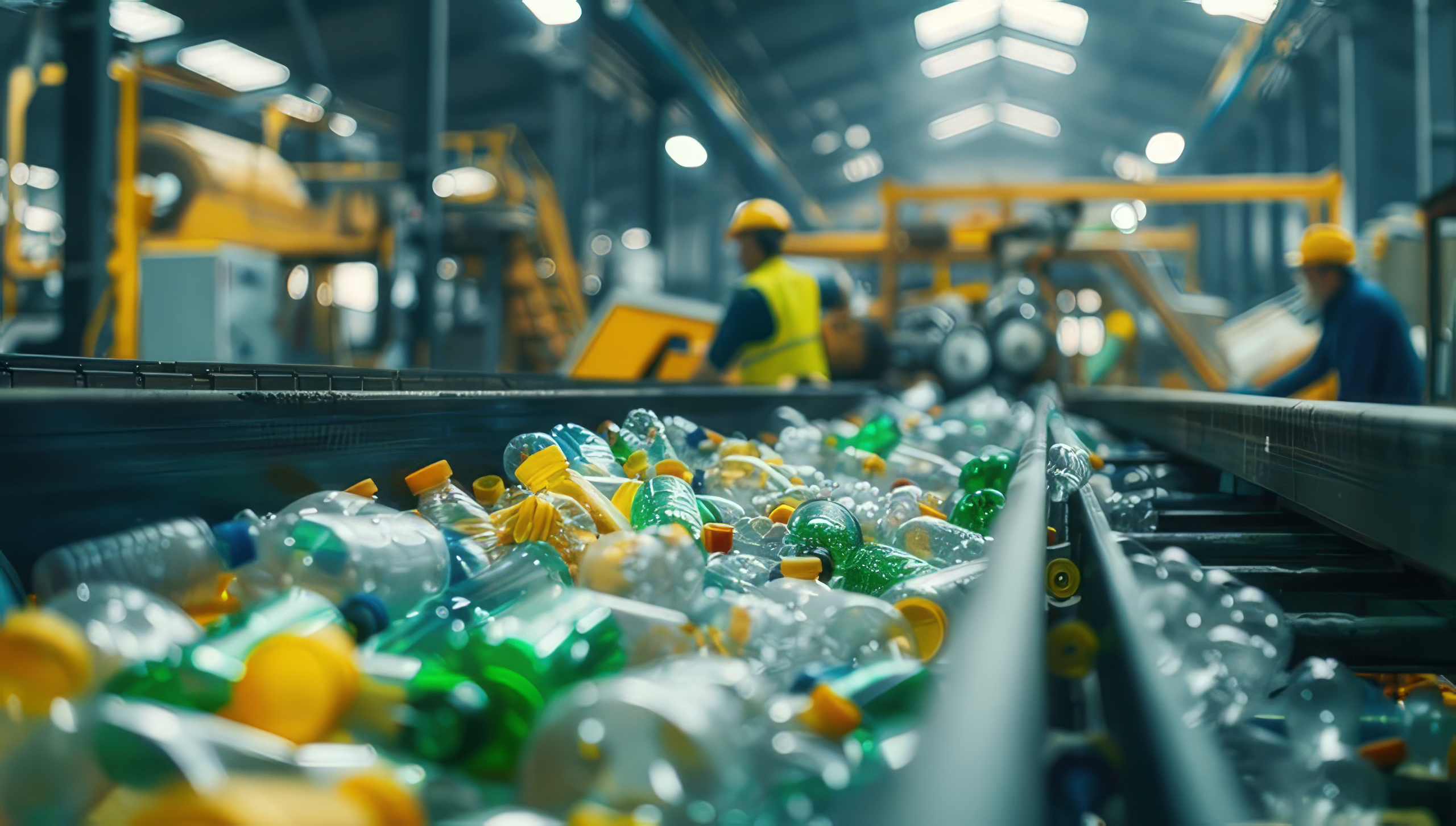
Under the 10-year framework, Recove will invest in excess of Rs. 500 crore across waste processing, recycling, material recovery, aggregation and allied circular manufacturing activities in Maharashtra. In its first phase, the company will build capacity to process 5,000 tons of plastic waste per month, scaling up to as much as 1,00,000 tons per annum over the course of the partnership as Recove expands into additional recyclable streams.
The development comes at a critical inflection point for India’s recycling sector. Extended Producer Responsibility (EPR) mandates require brands to incorporate approximately 30% recycled plastic content today, rising to approximately 60% over the next two to three years. While PET is already well-organised at approximately 95% recovery, HDPE and PP, the polymers behind most packaging, automotive parts and consumer goods, remain under-recycled at less than 30%, held back by the absence of an organised, traceable, quality-assured pre-processing layer.

Viral Chhajer, Co-Founder, Recove Ventures says, “We are not setting up a single plant. We are building a durable infrastructure that takes post-consumer plastic out of the dump yard and brings it back into the economy as industrial-grade raw material.”
To accelerate the rollout, the Government of Maharashtra will facilitate priority consideration for land allotment in MIDC areas and any future Circular Economy Parks for Recove’s subsequent projects, single-window support for statutory clearances and expeditious consideration of applicable incentives under prevailing state industrial policies.

Kunal Kumar, Co-Founder, Recove Ventures, says “Recycling at scale is not a single-plant problem. It is an ecosystem problem. It requires coordination, land, approvals, supply chains, skilled labour and demand-side compliance, all moving in step.