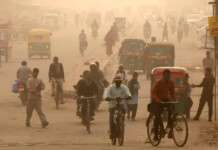

In 2025, floods affected communities across India. From Hyderabad’s urban streets to the riverine plains of Maharashtra and Punjab, and villages like Dharali in Uttarakhand and the slopes of Darjeeling. Yet investments in preparedness remain shockingly low. The International Day for Disaster Risk Reduction (IDDRR) on October 13 message is clear: Resilience cannot wait.
This year’s UNDRR (United Nations Office for Disaster Risk Reduction) theme, “Fund Resilience, Not Disasters”, is a clarion call to change the way governments, markets, institutions, and communities think about financing. Instead of pouring billions into relief after each calamity, the world must channel resources into preparedness, resilience, and risk reduction.
The urgency is evident. According to UNDRR, direct disaster costs now touch USD 202 billion annually. However, the actual figure – including knock-on impacts like lost livelihoods, displacement, and reduced productivity – is closer to USD 2.3 trillion. Yet less than one percent of most public budgets go towards disaster risk reduction. Between 2019 and 2023, only two percent of international development assistance projects listed DRR as an objective. The result is predictable: disasters keep escalating in cost and frequency, while resilience investments lag far behind.
A Community-led Solution: Akshvi
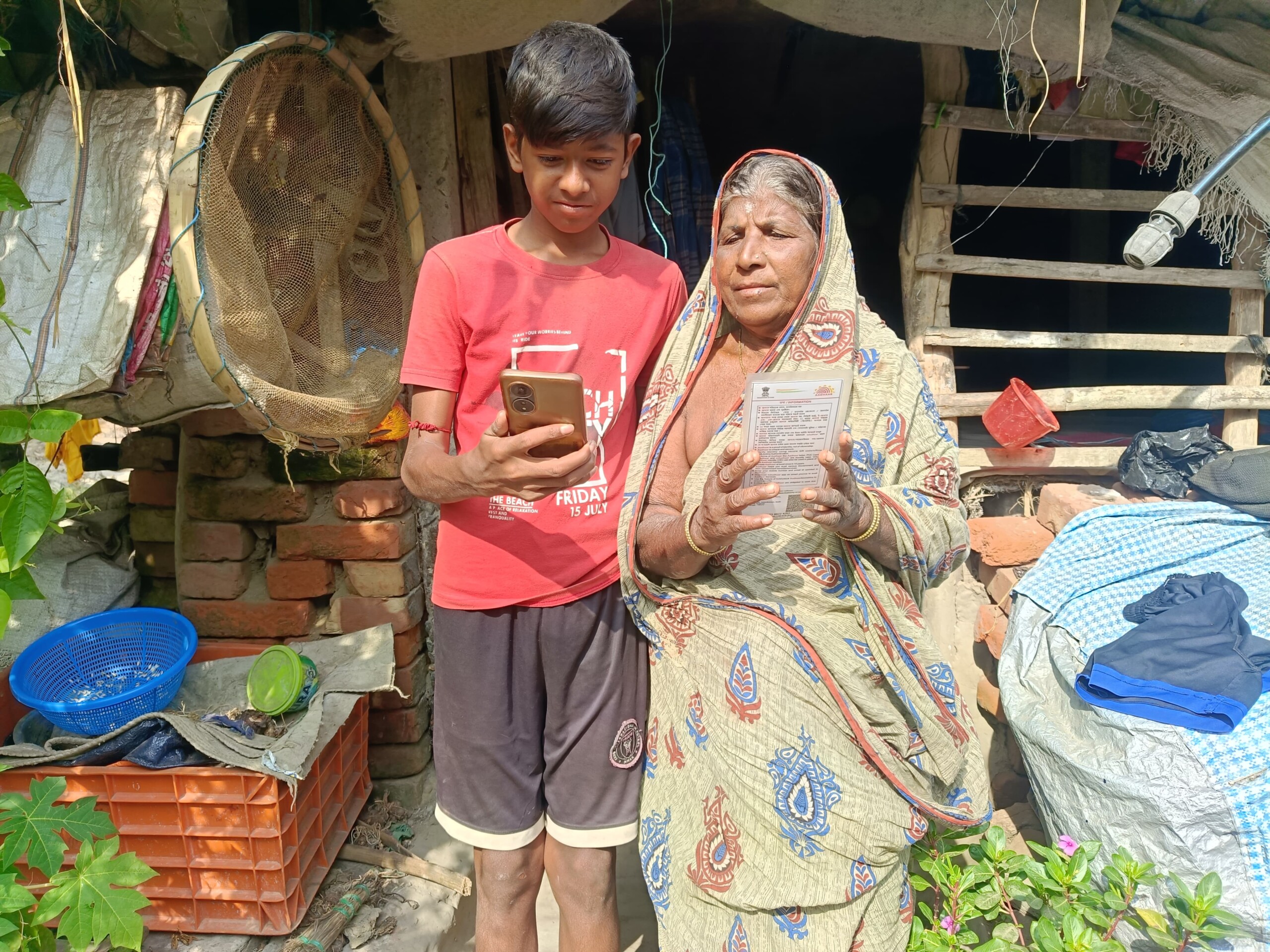
If funding resilience is the challenge, Akshvi – short for Aapda Kshati Vivaran – shows what innovation can achieve. Being piloted in multiple emergencies by the Sustainable Environment and Ecological Development Society (SEEDS), Akshvi is a first-of-its-kind digital disaster wallet that provides voice to communities to report their threats to floods, cyclones, or landslides. In 98 percent of the cases, it was found that community reports were verifiable and credible.
By putting data ownership in the hands of communities, Akshvi is able to unlock funds from public and private institutions reaching them directly. These funds can take various forms – from financial instruments like insurance, micro-credit to access to micro-services delivered at their doorstep. Already, benefits from the initial deployment of the model have helped cyclone-affected communities receive need-based relief assistance, and access to welfare schemes of the Government.
This aligns directly with the spirit of IDDRR 2025: resilience financing must start from the ground up, rooted in community realities rather than top-down estimates.
The Global Financing Conversation
The recent Oslo Forum on Accelerated Disaster Risk Reduction Financing put this issue squarely on the global agenda. Leaders and experts from 20 countries, development banks, and the private sector highlighted the financing gap – noting that humanitarian funding for prevention and preparedness has actually declined in recent years.
As Kamal Kishore, Special Representative of the UN Secretary-General for DRR, noted at Oslo: “Financing is the single challenge that unites the disaster, climate, development, and humanitarian domains.” The outcomes of Oslo are already influencing forums such as the Global Platform for DRR, the G20 Working Group on DRR, and the Financing for Development Conference, creating momentum to scale models like Akshvi worldwide.
In India, the 15th Finance Commission has made a generous provision of funds under the National Disaster Mitigation Fund and State Disaster Mitigation Fund. However, much of this funding still remains locked due to limited awareness and structural barriers.
Why This Matters Now
Disasters no longer respect boundaries of geography, class, or expectation. If cities, villages, and states remain risk-blind, development gains will continue to erode with each flood. If we fund resilience – through early warning systems, resilient infrastructure, and community-driven innovations like Akshvi – the dividends are immense. Studies show every $1 invested in prevention can save up to $15 in post-disaster losses, and timely early warnings can cut damages by 30 percent.
IDDRR 2025 is therefore not just a day of awareness, but a global checkpoint: will we continue to underfund resilience and overpay for disasters, or will we change course?
The answer lies in how fast we scale innovative solutions, how seriously governments ring-fence DRR budgets, and how committed the private sector is to risk-informed investments. In the face of rising floods that trigger staggering landslides, heatwaves and wildfires, resilience is no longer optional – it is the only viable path forward.
Dr. Manu Gupta is the Co Founder and Head of Sustainable Environment and Ecological Development Society (SEEDS)