
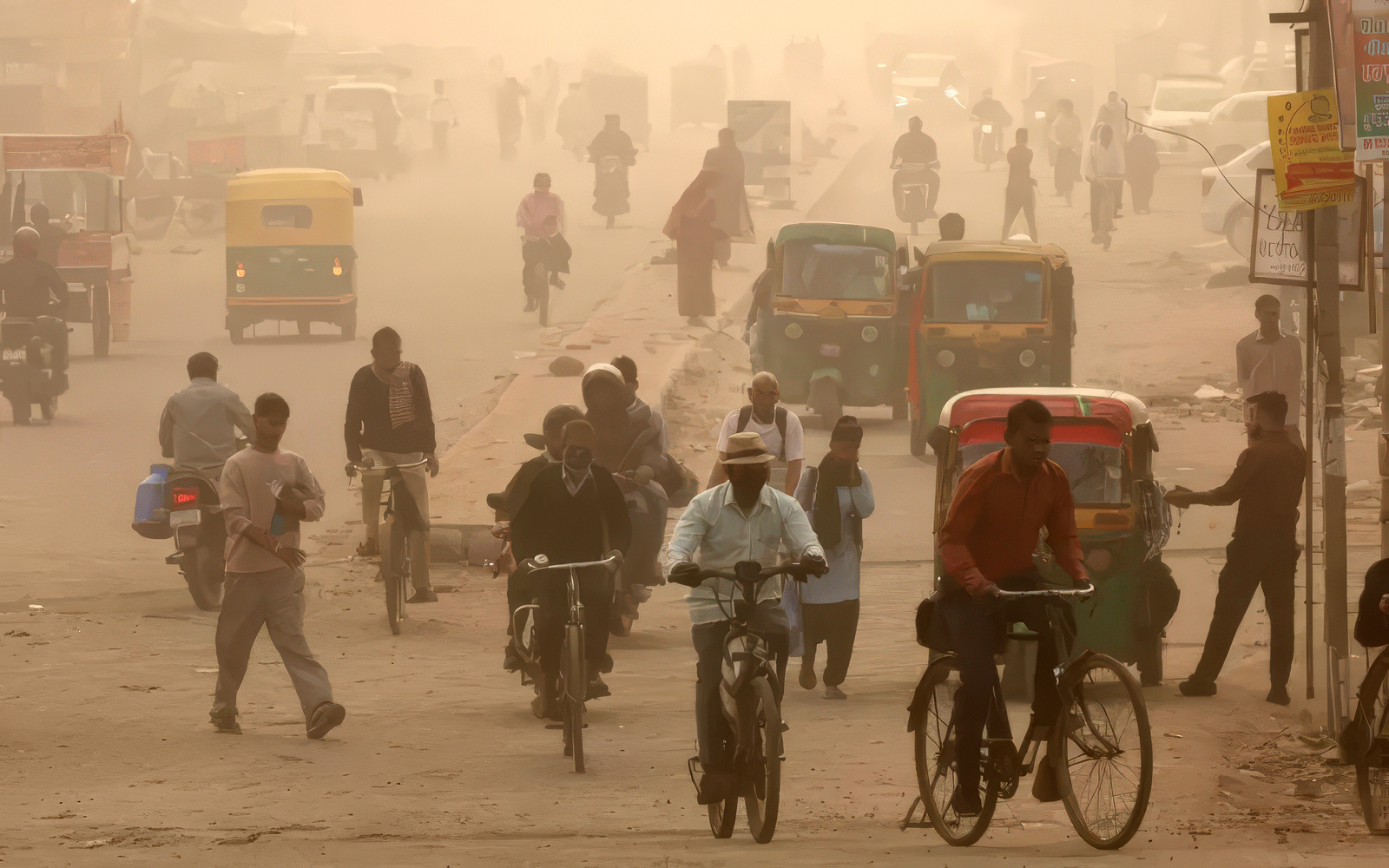
For decades, air pollution has been studied through sophisticated instruments, advanced atmospheric models, and thousands of scientific publications. Yet, despite remarkable progress in understanding pollution, one fundamental question remains unanswered: How much of this knowledge reaches the people who breathe polluted air every day?
This question has become increasingly important as environmental pollution has affected common people and, in some cases, has led to public health crises. Research or policies alone cannot solve the problem if the people most affected are left unaware of what they are breathing, where it comes from, what the consequences are, and what they can do about it.
To work along these lines, over the past three years, a series of citizen science workshops on air and water quality conducted in Bengaluru have brought together an extraordinary mix of participants, ranging from undergrads beginning their careers to retired professionals, homemakers, engineers, teachers, doctors and Resident Welfare Association (RWA) leaders between 18 and 75 years of age with varied experiences.
Although they came from different walks of life, they all carry the same concern about how to make sense of the environmental changes unfolding around them. And what emerged was a dialogue between science and lived experiences.
Scientists often communicate through terms like PM2.5, ozone, volatile organic compounds (VOCs), source apportionment and atmospheric chemistry. These are essential for research but rarely help someone wondering why their child keeps falling ill every winter or why they can no longer open their windows. Even the most sophisticated air quality instruments, costing several lakhs of rupees, have limited value if the science they produce remains confined to journals and conferences and does not create awareness among people about its relevance in daily life.
Diesel Generator Mess

Most people have heard and know about the Air Quality Index (AQI), which is an important first step. However, AQI alone cannot answer questions that matter in everyday life. Which pollution sources are most harmful? Is smoke from waste burning more dangerous than road dust? Are diesel generators simply a nuisance, or do they cause serious health hazards? When should people avoid outdoor exercises?
These are some fundamental questions that directly influence how people interact with their surroundings, how they protect themselves and advocate for cleaner neighbourhoods. For instance, a participant from Chennai spoke about living near a heavily polluted industrial area on the city’s outskirts. Her parents are battling lung cancer, while her young son suffers recurring respiratory illness every winter.
For years, the family accepted these illnesses as unfortunate circumstances without understanding the possible contribution of chronic air pollution or the importance of identifying and controlling emissions from polluting sources. Another participant described buying a house in what was once a peaceful residential community. Over time, multiple technology parks emerged nearby leading to frequent operation of large diesel generator (DG) sets during power outages.
Today, whenever the generators start, the neighbourhood is engulfed in exhaust, forcing residents to shut their windows, abandon their balconies and switch on air conditioners even when the weather outside is pleasant. Their quality of life has changed dramatically, yet many residents had never realised that prolonged exposure to diesel emissions carries significant health risks. These stories were echoed by many others.
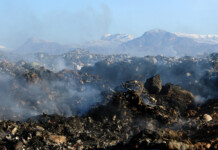
Elderly participants spoke of being advised by doctors to walk daily but remained indoors because of poor air quality in their surroundings. Residents described years of exposure to emissions especially originating from open waste burning without knowing that such smoke contains some of the most toxic pollutants including carcinogens encountered in urban environments.
Many RWAs are eager to monitor their neighbourhood air quality, yet the cost of scientific instruments remains beyond their reach. This is where citizen science becomes transformative. While everyone may not own monitoring equipment, everyone can understand the science behind pollution, recognise harmful practices, collect meaningful observations and advocate for evidence-based solutions. History has already shown the power of informed citizens.
The successful movement against pollution from the graphite industry in Bengaluru’s Whitefield demonstrated that public awareness, backed by scientific understanding, can drive meaningful environmental change. Regulations become far more effective when communities understand the evidence, document it and actively demand cleaner environments from the concerned authorities.
Perhaps the greatest success of these workshops is what happens when they acquire necessary skills and knowledge for the abatement of pollution. Participants return to their communities with credible information to raise environmental concerns in neighbourhood meetings and encourage cleaner household and community practices.
RWAs ask informed questions about monitoring and pollution sources in their neighbourhood. Scientific knowledge gradually spreads through these in-depth engagements and conversations rather than traditional classrooms. This is precisely why universities must see public engagement as an integral part of their academic mission. Alongside generating new knowledge, they have a responsibility to nurture informed citizens who can engage critically with the environmental challenges shaping their communities.
At a time when India is investing heavily in environmental monitoring and research along with capacity building through NCAP (National Clean Air Programme), we must invest equally in scientific literacy. Citizen science is not about turning everyone into scientists; it is about ensuring that scientific knowledge is made accessible to them in a way that resonates with their lived experiences. Science achieves its highest purpose not when it remains inside laboratories, but when it enables ordinary citizens to understand the air they breathe, the water they drink and the food they eat. Therein lies the mantra for creating healthier and more sustainable communities.
The views and opinions expressed in this article are those of the authors and do not necessarily reflect the views or the positions of the organisation they represent.
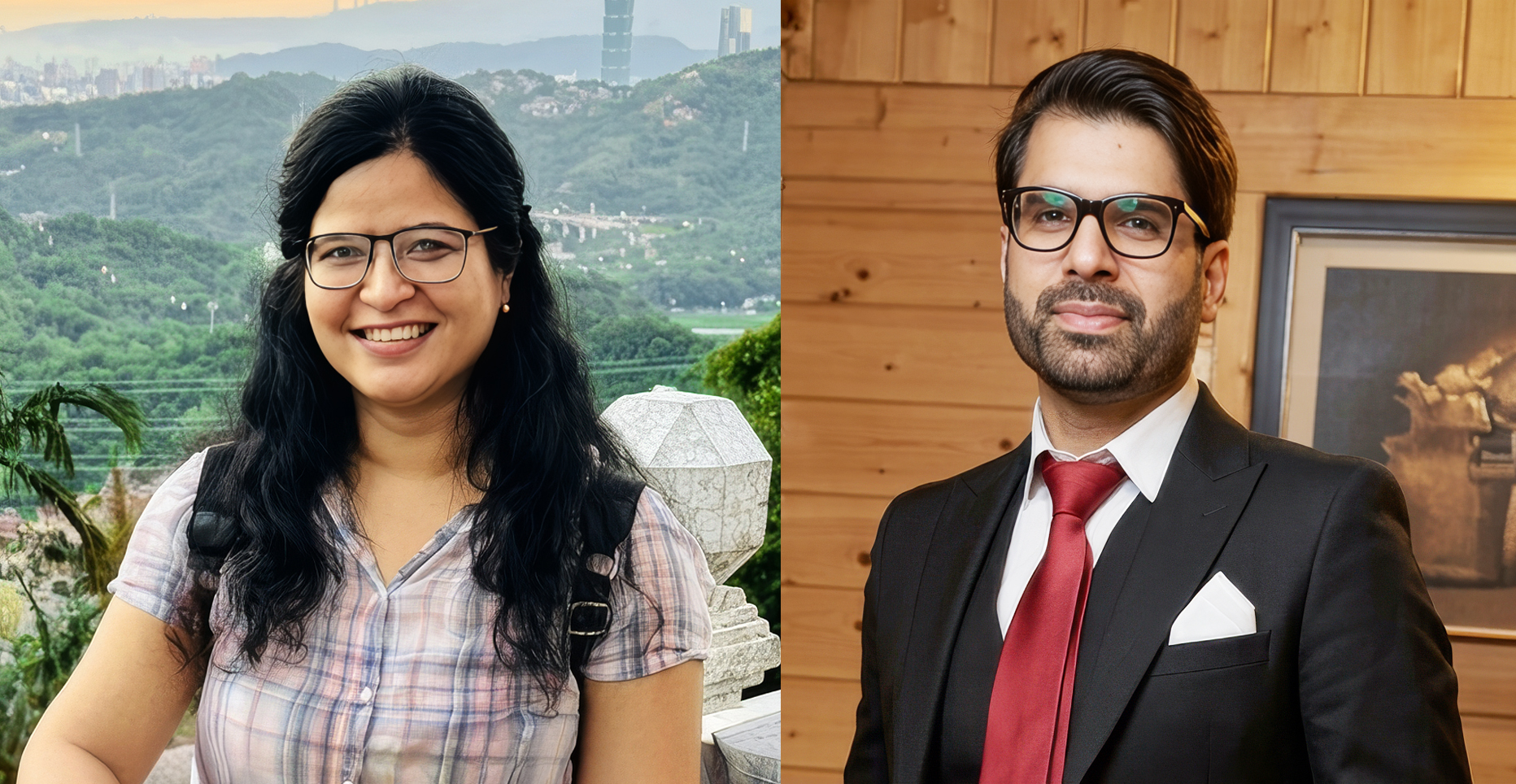
Manisha Mishra and Mohmmad Irshad, Faculty at Azim Premji University