
Bengaluru’s growth has transformed not just its skyline, but the way people experience the city. As former industrial sites give way to new developments and urban density increases, the question is no longer simply how much can be built, but what these spaces can contribute to the lives of the people around them.
This is bringing renewed attention to the idea of the community destination, spaces that go beyond retail or commercial use to create opportunities for people to meet, spend time, discover experiences and connect with their surroundings.
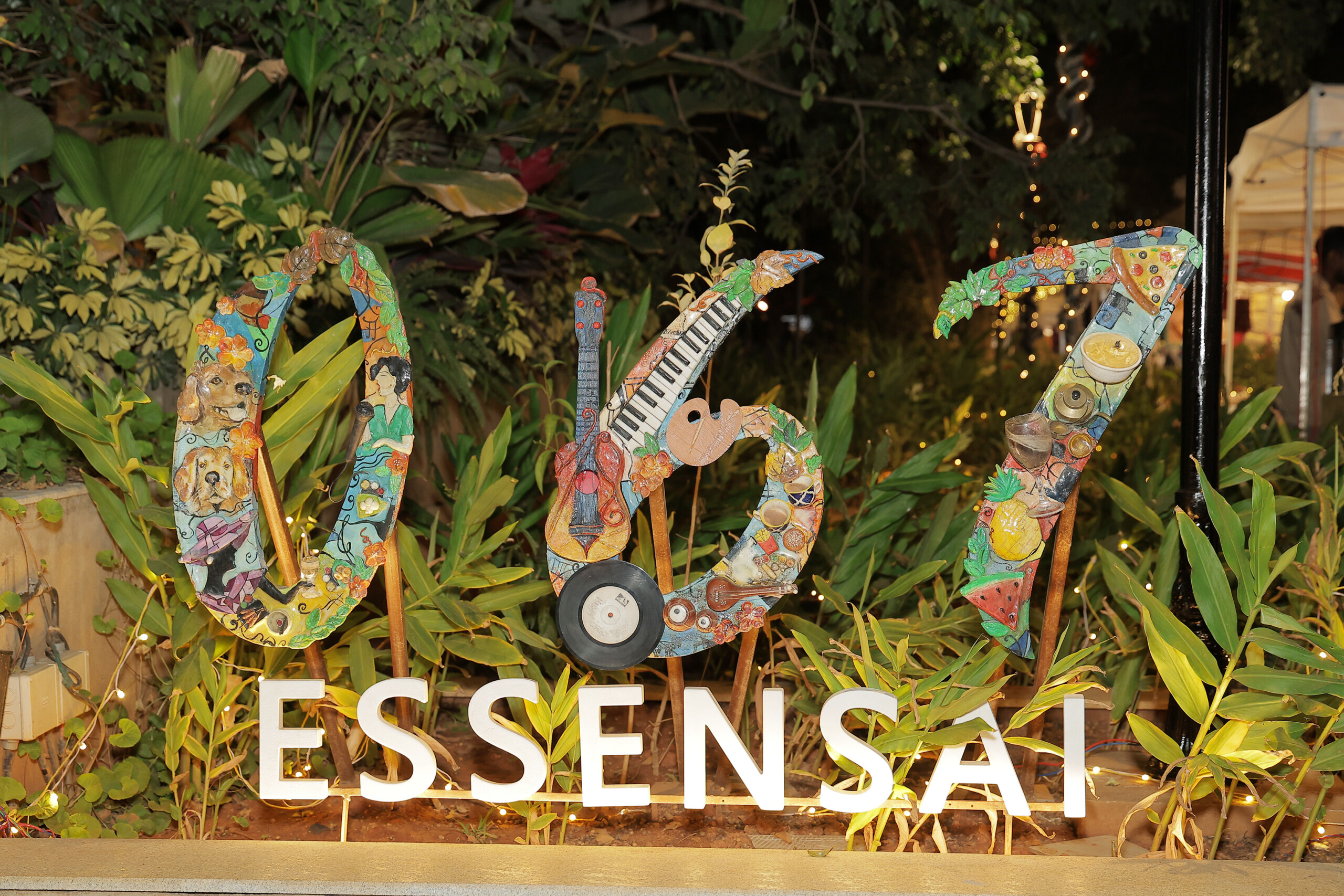
Essensai067 in Bengaluru offers one example of this approach. Developed on the site of Sai Lakshmi Industries, a textile mill that was part of the city’s industrial landscape for more than three decades, the project has retained elements of the original site while introducing a new mix of food, culture, recreation, wellness and social experiences.
What makes the approach particularly relevant is that sustainability has been considered not as a standalone feature, but across the site’s architecture, landscape, infrastructure and everyday operations.
When Adaptive Reuse Becomes a Community Strategy
Adaptive reuse is increasingly becoming an important part of how cities can grow without completely erasing what came before. Retaining an existing structure can reduce the resources required for new construction while preserving a site’s history and identity.
At Essensai067, that philosophy has been applied to the former Sai Lakshmi Industries Mill. Rather than replacing the mill entirely, elements of its original structure and textures have been retained and integrated into the new destination. Its streets carry references to the site’s industrial past, with names such as Draw Frame Street, Luwa Street, Spinning Mill Street, Xorella Street and Open End Street drawn from machinery associated with textile manufacturing.
The landscape has been treated with a similar emphasis on retention. Of the 120 trees that existed on the site, everything has been preserved or transplanted. Beyond retaining mature vegetation, this approach allows established trees to continue providing shade, support biodiversity and contribute to the site’s outdoor environment.
The result is a development where the history of the site is not separated from its new identity, but incorporated into it.
Designing for Bengaluru’s Climate
Sustainable development also requires looking at how buildings and destinations respond to their immediate climate.
Bengaluru’s relatively moderate climate has historically allowed architecture to make greater use of natural ventilation, shade and outdoor spaces. As urbanisation increases, however, more enclosed and mechanically cooled environments can increase energy demand.
Climate-responsive design offers an alternative approach. Open courtyards, shaded walkways, landscaping and natural airflow can help create more comfortable shared environments while reducing dependence on mechanical cooling.
At Essensai067, excavated soil from the site has also been repurposed into low-carbon earth blocks. These blocks provide thermal insulation and form part of the development’s broader approach to using materials and resources more efficiently.
The larger lesson is that sustainability does not always have to come from adding another technology. Sometimes it begins with designing differently in response to the place itself.
Creating a More Responsible Resource Cycle
The sustainability conversation extends beyond architecture into the infrastructure that keeps a destination functioning.
Essensai067 incorporates a 750 kW solar power system as part of its energy strategy, alongside measures designed to improve energy efficiency by more than 80%.
Water is approached through a similar resource-conscious model. The site incorporates 500,000 litres of rainwater harvesting capacity, 19 groundwater recharge pits and water-efficient fixtures. Treated water is also reused within the development, reducing the need for fresh water consumption.
Waste management forms another part of the resource cycle. A 375 kg organic waste treatment plant processes organic waste and converts it into nutrient-rich manure.
Individually, these interventions may appear small compared with the scale of urban development. Together, they demonstrate how infrastructure can be designed as an interconnected system where energy, water, waste and landscape are treated as part of the same sustainability equation.
From Commercial Destination to Social Infrastructure
Perhaps the more significant shift is in how community spaces themselves are being conceived.
Traditional commercial destinations are often designed around transactions: people arrive, consume and leave. But as cities become denser and homes and workplaces become increasingly constrained, there is a growing need for places where people can simply spend time.
This is where the idea of the “third space” becomes relevant, environments that exist between home and work and provide opportunities for informal social interaction.
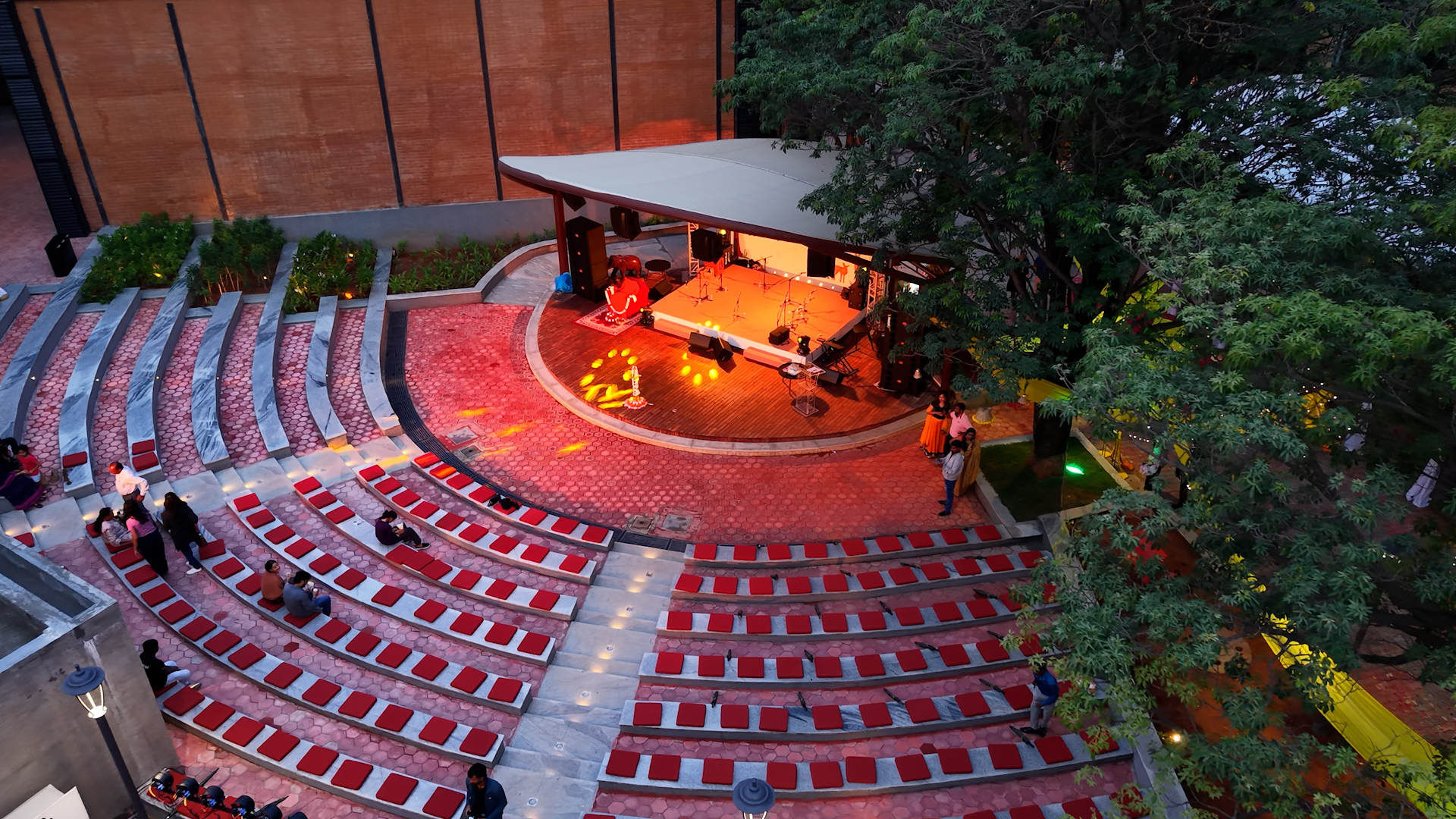
Essensai067 brings together food, fashion, art and music with recreational and social experiences, including an amphitheatre, adventure park, marine aquarium, pet park, hydroponic farming and yoga and wellness spaces.
The objective is not simply to create a larger mix of amenities. It is to create reasons for people to return, stay longer and interact with the space and each other in different ways.
That distinction is important. A community space is ultimately defined not by what it contains, but by how people use it.
What the Future of Urban Destinations Could Look Like
As Bengaluru continues to expand, the future of community spaces may lie in moving beyond the conventional definitions of retail, commercial development or recreation.
The opportunity is to create environments that can simultaneously preserve history, respond to climate, use resources more responsibly and provide meaningful social experiences.
Essensai067 demonstrates one possible model: taking an existing industrial site, retaining elements of its physical and cultural identity, preserving much of its mature landscape and introducing new infrastructure and experiences around it.
The broader lesson extends beyond one development.
The next generation of urban destinations may not be defined simply by what is new, but by how intelligently they reuse what already exists, how responsibly they operate and how meaningfully they connect with the communities around them.
For a city like Bengaluru, where growth and transformation are constants, that could be an important shift, from building more places to creating better places to belong.
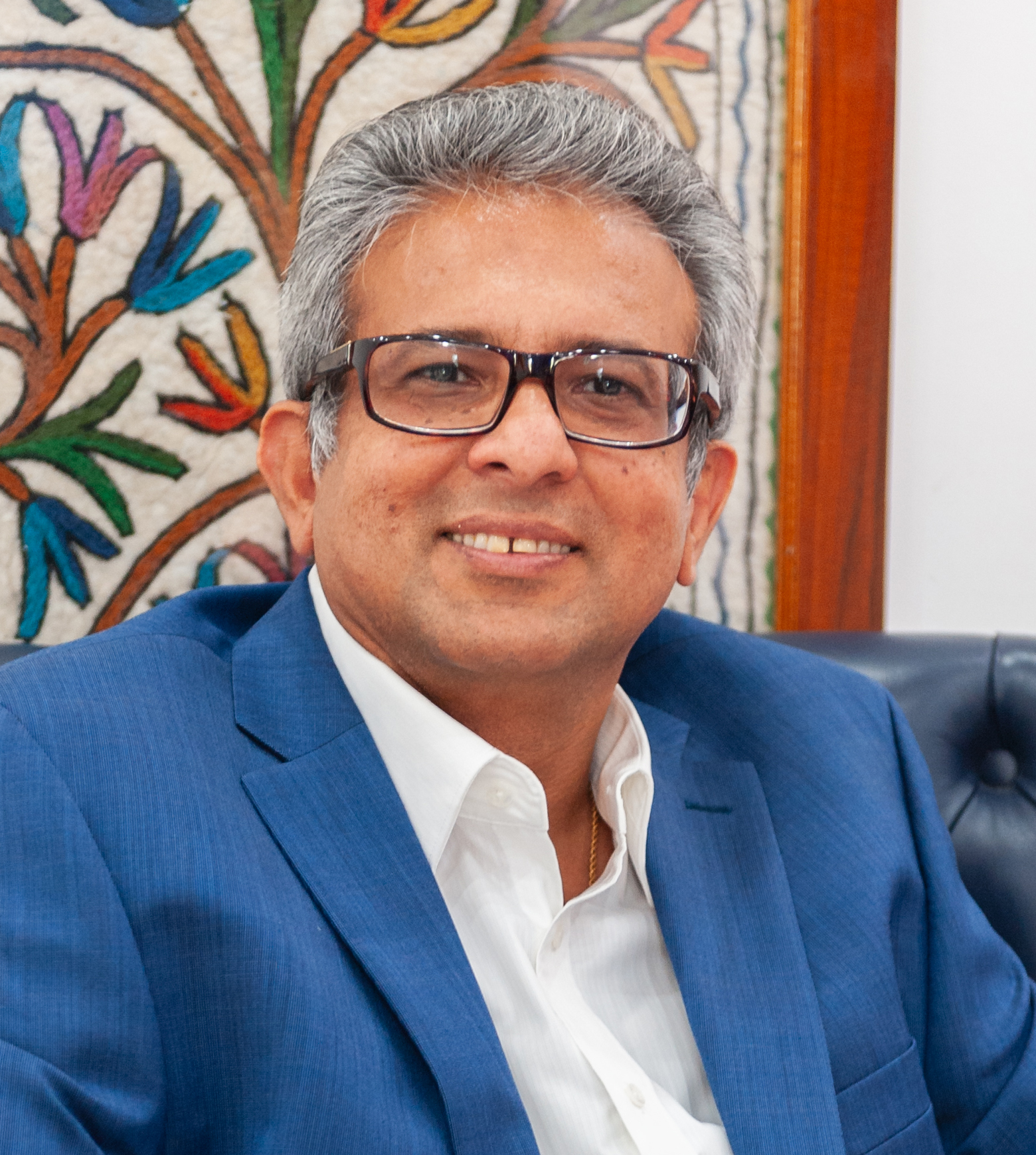
Haresh M. Mirpuri, Founder of Essensai067 and Managing Director of Sai Lakshmi Industries