
The first reform CSR needs is creation of a nodal agency to streamline processes. This will help in coordinating with multiple agencies and make it easier for all players in the system. According to Swapan Dhar, MD of SBI Foundation, “Currently, everyone is working in a silo. There are at least five key entities – Ministry of Corporate Affairs, Niti Ayog, Ministry of Home Affairs, Income Tax dept and many others who work independently.”
During a recent conversation with Benedict Paramanand, as part of the SN Green Leader Series, Mr. Dhar said he is in favour of outcome-based funding.” The outcome needs to be measured through stringent metrics. Also, ‘outcome’ definition needs to be arrived at so that smaller NGOs don’t lose out.
Another major reform needed is the mandatory rating of NGOs that seek CSR funding. “Just like how CRISIL rates companies when they go to raise funds from the market, we need someone to rate the NGOs.” This reform will ensure funding goes to the deserving NGOs.

SBI Foundation’s Funding
Unlike corporates who are mandated to contribute two percent of their average net profits over the preceding three financial years, The RBI has stipulated a maximum of one percent for public sector enterprises. Since SBI Foundation wants to do more than it does today, it has been tapping funds innovatively.
SBI Foundation partners with corporates, co-funds projects thereby multiplying the projects’ impact. It has 16 subsidiaries from whom SBI either pools their CSR into a bucket or works with them collaboratively. It also raises funds from the Social Stock Exchange.
Mr. Dhar, who joined SBI Foundation early 2026, says he is excited to be able to work in this space after a long stint as a banker. With significant funds in his hand – at least 600 of the 800 plus crore a year, he hopes to become a key player in the years to come.
a
Highlights
- Created 16 million artificial groundwater recharge structures
- Planted more than 80 lakh saplings planted to date, including 17 million mangrove
- Supported 2,000 water-conservation structures
- Commitment to create an additional carbon sink of 2.5 — 3 billion tonnes of CO₂ equivalent by 2030
- Facilitated recycling of 6,700 metric tonnes of waste and reached approximately 2.15 lakh beneficiaries
- Undertaken 700 projects spending Rs. 2500 crore
a
SBI Foundation’s 5-year Journey
SBI Foundation’s environmental journey began in 2017 with the launch of the SBI Green Fund by the State Bank of India. The initiative encouraged SBI customers to contribute towards environmental causes by donating their SBI Debit Card reward points. The fund supported initiatives such as tree plantation, bio-toilets and solar energy solutions, with an initial focus on planting 5 million trees, setting up 4,000 bio-toilets and promoting solar solutions for households and farmers. Over the years, this early effort evolved into a more structured CSR approach, with SBI Foundation expanding its work to address a wider range of environmental challenges across India.
In 2020, SBI Foundation began moving towards a more structured approach to environmental interventions through its CSR initiatives. One of the early efforts was Waste No More, undertaken in collaboration with Xynteo and Hindustan Unilever Limited (HUL). This initiative helped lay the groundwork for SBI Foundation’s subsequent work in waste management and other environmental themes.
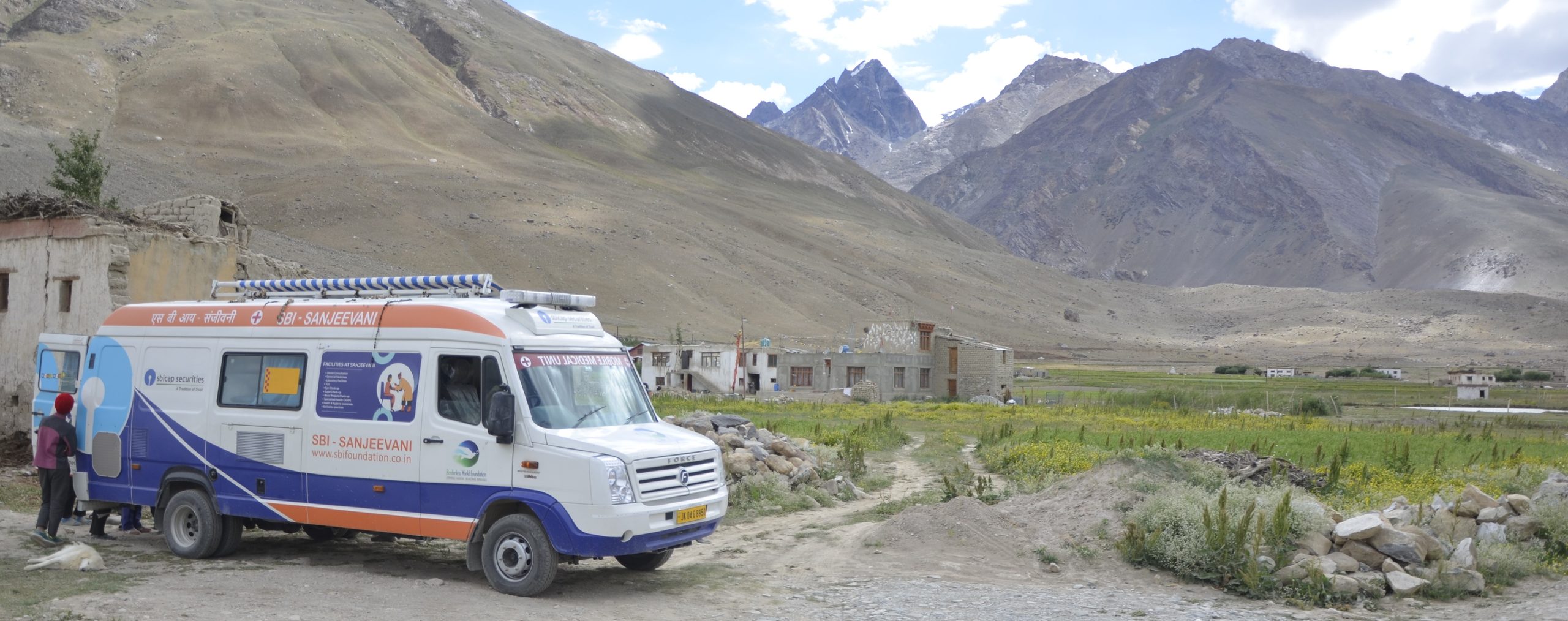
The beginning of SBIF CONSERW 2022
A significant step was taken on 14 December 2022, when the management formally approved CONSERW: Conservation through Sustainable Engagements, Restoration and Wildlife Protection, as SBI Foundation’s flagship environmental programme which aims to ensure environmentally conscious production and consumption, clean energy adoption, restoration of ecosystems and natural resources and conservation of wildlife to contribute towards conserving our planet for a better and sustainable future.
A dedicated framework was developed around four broad areas: sustainable waste management, restoration and conservation of ecosystems, wildlife protection, and renewable energy. The idea was to move beyond individual activities and build programmes that could address environmental issues in a more focused and sustained manner.
Over time, these areas took shape through dedicated programme verticals:
- Waste No More: Addresses waste management through an end-to-end and circular economy approach, focusing on reducing waste going to landfills and maximizing recovery, recycling and productive reuse of resources. The programme works across three key areas: Solid Waste Management, Liquid Waste Management, and Waste Worker Welfare & Manual Scavenging Eradication, supported by community engagement, local government partnerships and sustainable infrastructure.
- ARANYA: Restores and conserves forests and ecosystems through community-led mangrove restoration, reforestation, coastal and marine conservation, grassland protection, community plantations, and urban forestry to enhance biodiversity and climate resilience.
- JALDHARA: Conserves aquatic ecosystems by rejuvenating water bodies, restoring springs and rivers, promoting rainwater harvesting, enhancing groundwater recharge, and implementing nature-based solutions to improve water security and biodiversity.
- Wildlife Conservation: CONSERW is working on community-led and habitat-level models for the conservation initiatives focusing on the conservation of biological diversity through community-led and habitat-based approaches. CONSERW is currently implementing species-specific interventions across priority landscapes and ecosystems, integrating infrastructural support, technology-driven solutions, and community participation to strengthen conservation outcomes and mitigate human-wildlife conflict. Special focus is given to species of conservation importance, especially endangered and critically endangered species listed under the IUCN Red List.
- VIBHA: Promotes equitable access to clean, reliable and decentralized energy solutions across underserved and climate-vulnerable regions of India. The programme supports the adoption of renewable energy for households, public institutions, agriculture, livelihoods and research while strengthening community ownership, improving quality of life and contributing to India’s clean energy transition.
As the programme evolved, the original ecosystem restoration theme was further developed into ARANYA and JALDHARA, allowing the Foundation to give greater attention to both land-based and aquatic ecosystems. Separate identities and logos were also developed for CONSERW and its programme verticals.
Expanding the programme: 2022 onwards
The year 2022 also marked the adoption of a more structured approach to identifying and supporting implementing partners through Requests for Proposals (RFPs). Under ARANYA, proposals were invited for initiatives such as mangrove restoration, Miyawaki forests and pastureland development.
In 2024, this approach was further strengthened with dedicated RFPs for specific thematic areas. Over the following years, the programme continued to expand its scope and partnerships, bringing more focused interventions under each vertical.
Where do we stand?
Over the years, CONSERW has expanded its work across different environmental themes, with projects reaching communities and ecosystems across the country. Some of the key achievements under its programme verticals are:

- SBIF ARANYA: ARANYA contributes to the National Mission for a Green India and India’s NDC commitment to create an additional carbon sink of 2.5 — 3 billion tonnes of CO₂ equivalent by 2030 through forest and tree cover. India had already created an additional carbon sink of 2.44 billion tonnes by 2022, bringing it close to the target. Through its plantation of more than 80 lakh saplings and restoration of degraded landscapes, ARANYA contributes at the local level to this national effort, while supporting biodiversity and climate resilience. These efforts also align with the environmental sustainability pillar of Viksit Bharat 2047.
Key Achievements: More than 80 lakh saplings planted to date, including 17.84 lakh mangrove saplings across 166 hectares, 4 lakh saplings across 16 hectares under dense forestation, and 1.1 lakh+ saplings across 450 hectares of pastureland in Rajasthan
SBIF ARANYA contributes to SDG 13 (Climate Action), SDG 15 (Life on Land) and SDG 14 (Life Below Water) through ecosystem restoration, afforestation and mangrove conservation.
- SBIF JALDHARA: JALDHARA aligns with the National Water Mission under NAPCC, which aims to improve water-use efficiency by 20% and promote integrated water resource management. The Mission also targets the creation of 20 million artificial groundwater recharge structures by 2027, of which approximately 16 million (79%) had been created as of September 2026. Through the rejuvenation of 159 springs and 97 water bodies, along with spring shed and watershed interventions and a rainwater harvesting capacity of 1.98 million litres, JALDHARA strengthens local water security and contributes to India’s broader efforts towards sustainable water management and climate resilience.
SBIF JALDHARA supports SDG 6 (Clean Water and Sanitation) and SDG 13 (Climate Action) through waterbody rejuvenation, springshed and watershed management.
- SBIF WASTE NO MORE: WASTE NO MORE supports the objectives of Swachh Bharat Mission–Urban 2.0 and the broader transition towards a circular economy by promoting waste segregation, recycling and scientific waste management. India is currently processing approximately 80% of its urban municipal solid waste, compared with around 16% in 2014–15, although gaps in segregation and effective processing remain. Through 14 projects across 12 cities and towns and 75 villages, WASTE NO MORE has facilitated the recycling of 6,700 metric tonnes of waste and reached approximately 2.15 lakh beneficiaries, contributing to cleaner settlements and more resource-efficient communities.
SBIF WASTE NO MORE advances SDG 11 (Sustainable Cities and Communities), SDG 12 (Responsible Consumption and Production) and SDG 13 (Climate Action) through sustainable waste management and recycling.
- SBIF VIBHA: VIBHA aligns with the National Solar Mission and India’s NDC target of achieving 500 GW of non-fossil fuel-based installed power capacity by 2030. India has already crossed this milestone’s halfway mark, with non-fossil sources accounting for 54.18% of installed electricity capacity as of June 2026.
Through more than 2,600 planned solar systems with a combined capacity exceeding 1,264 kW, VIBHA is extending decentralised renewable energy to remote and underserved communities, supporting irrigation, water pumping, street lighting, education and healthcare. These interventions support community lighting, solar-powered irrigation and water pumping, and energy access for educational and healthcare institutions, complementing India’s clean energy transition and its longer-term Net Zero 2070 commitment.
SBIF VIBHA contributes to SDG 7 (Affordable and Clean Energy), SDG 9 (Industry, Innovation and Infrastructure) and SDG 13 (Climate Action) through decentralised renewable energy solutions.
- SBIF Wildlife Conservation: Wildlife Conservation complements the objectives of Project Tiger, Project Elephant and the national species recovery programme, which supports conservation action for 24 critically endangered species and their habitats. India’s latest official tiger assessment estimated a population of 3,682 in 2022, reflecting progress in species conservation, while also highlighting the continuing need for habitat protection and landscape-level interventions. Through 12 projects covering 22 protected areas, CONSERW is working on the conservation of five species, including four endangered species, and has reached approximately 2.13 lakh beneficiaries. These efforts contribute to biodiversity conservation and India’s commitment to protecting its natural heritage as part of Viksit Bharat 2047.
SBIF Wildlife Conservation supports SDG 15 (Life on Land), SDG 14 (Life Below Water) and SDG 13 (Climate Action) through wildlife and habitat conservation.
These figures reflect the scale of work undertaken across the five verticals and the collective efforts of SBI Foundation, its implementation partners and local communities.
Awards and Recognitions
- In the year 2024 SBI Foundation was honoured with “SABERA” (Social and Business Enterprise Responsible Awards) for promoting responsible consumption, renewable energy and ecosystem & wildlife Conservation.
- In the year 2026 SBI Foundation has been honoured with the India CSR Award 2026 for its “SBIF CONSERW: Waste No More” project under Environment & Sustainability category
SBI Foundation: Other Interventions
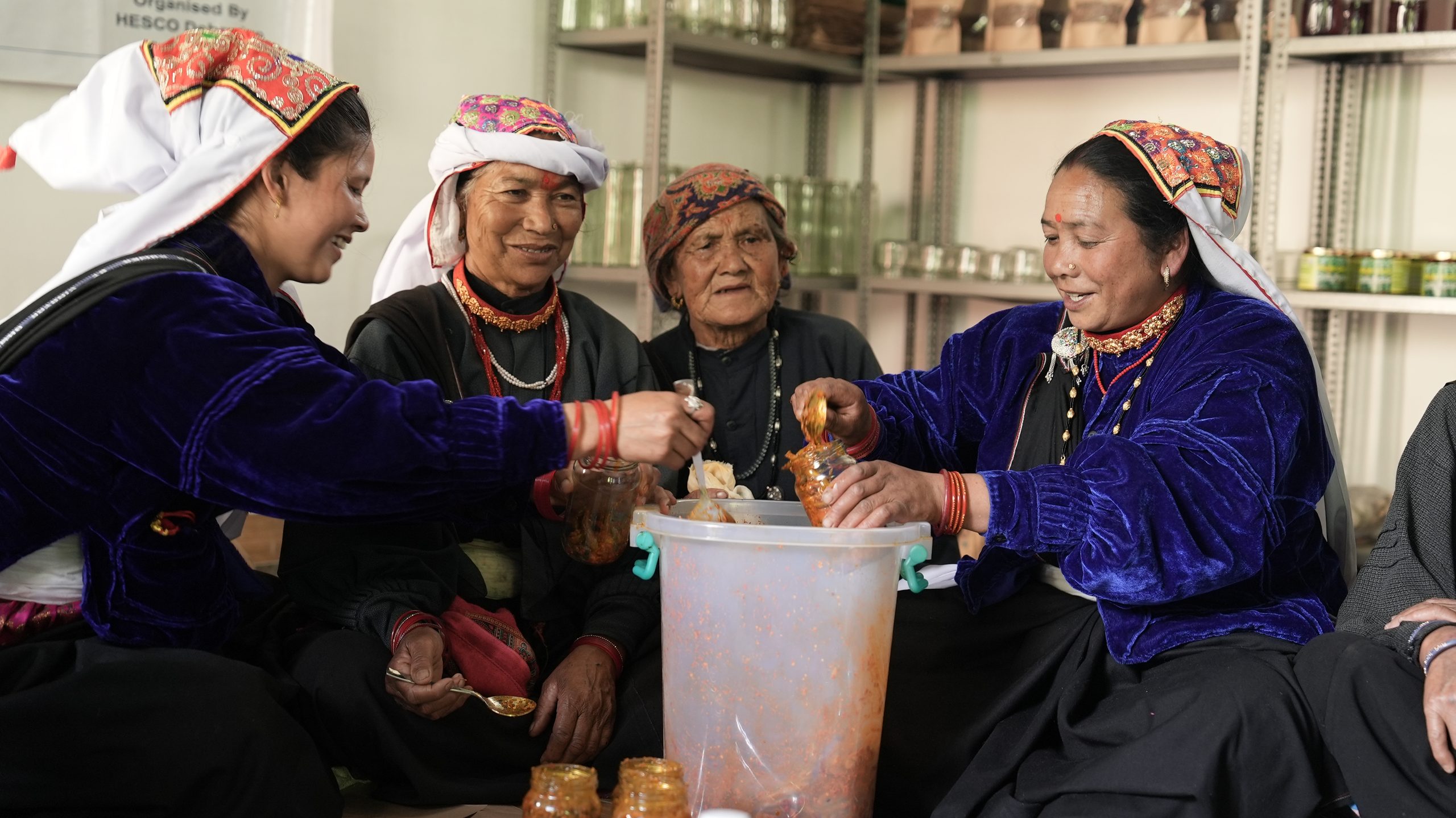
SBI Foundation’s rural development interventions extend beyond livelihoods to strengthening village-level environmental resilience. Under the SBI Gram Seva Programme, more than 2,000 water-conservation structures, including dohas, wells, ponds, and check dams, have been rejuvenated or newly constructed, while over 7,462 contour trenches have been built to improve soil and water conservation.
Through the SBI Jan Van initiative, over 2.55 lakh trees of local species have been planted across community pasturelands, barren lands, forests, schools, and community premises. The Foundation has also supported clean-energy access through more than 986 solar-panel and solar-lamp installations in government schools and community buildings, and 4,576 solar streetlights installed in collaboration with Gram Panchayats. Together, these interventions support water security, afforestation, and sustainable energy access in rural communities.
Looking Ahead
Over the past five years, CONSERW has grown from a broad environmental framework into a structured programme with dedicated verticals, focused interventions and partnerships across the country. Its work has expanded from individual conservation initiatives to a wider portfolio covering ecosystem restoration, water conservation, waste management, wildlife protection and renewable energy.
The journey, however, is far from over. Environmental challenges continue to evolve, and addressing them requires sustained efforts, stronger partnerships and solutions that are suited to local needs. Going forward, the focus will be on strengthening ongoing projects, improving the long-term sustainability of interventions and encouraging greater community participation.
For SBI Foundation, the larger aim is not just to support individual projects or achieve numerical targets, but to contribute to lasting environmental improvements that benefit both communities and the ecosystems they depend on. As CONSERW moves into its next phase, it will continue to build on the progress made so far and work towards a more sustainable and resilient future.