


Purpose has always been central to HR, but its meaning has evolved. It is no longer limited to employer branding or engagement. Instead, it represents a strategic anchor, guiding decisions on talent, leadership, culture, governance, and long-term value creation. Today, CHROs see sustainability not just as an external agenda, but as a people-led commitment to employees, communities, customers, and future generations. Employees now expect more than performance metrics—they want to work for organisations that genuinely live values like meaning, fairness, inclusion, and credibility.
When Purpose is integrated into the systems and governance that constitute the People Infrastructure of an Organisation, Sustainability becomes an operational mission rather than an aspirational goal. This is where the Sustainability Leader and the CHRO must establish a Long-term, Strategic Partnership.
Why Sustainability is Ultimately a People Challenge
Frameworks, standards, and ratings are widely recognized across sectors and enhance the credibility of organizations that adopt them, but they are not where true transformation occurs. True transformation happens in the conversations, in the choices leaders make, and in how employees come to an understanding of what really matters to the organization.
The journey toward sustainability has a very human element:
- Will leaders prioritise long term value over short term comfort in their decision making?
- Will team members feel comfortable and confident questioning decisions made by their leaders that compromise ethical values or impacts the welfare of others?
- Will employees see the importance of their contributions to their organization?
All of these questions cannot be answered solely by teams responsible for sustainability. They require close, integrated working relationships between sustainability teams and the teams responsible for people strategies. The difference between compliance with a set of technical standards and meaningful progress will all come down to how the employees within the organization define the day-to-day priorities and expectations for themselves.
Four Pillars Where People Strategy and Sustainability Converge
1. Culture as the Enabler of Sustainable Change
A culture focused on short-term performance metrics leaves little room for sustainability to become part of an organisation’s DNA. Truly sustainable companies operate in environments built on trust, inclusion, and psychological safety. When employees feel valued and heard, they are more willing to challenge existing practices, act as responsible stewards, and contribute ideas that improve social and environmental outcomes. Creating this culture is HR’s responsibility through inclusive development policies, equitable leadership practices, and open channels for dialogue across the organisation.
When those values are established, sustainability becomes an organisation’s shared value as opposed to a compliance obligation imposed upon employees.
The most difficult question that leaders should be asking themselves is not whether the organisation has sustainability goals but rather, “Is the culture in which I operate safe and conducive for my employees to act on the organisation’s sustainability goals?”
2. Leadership Capability for a Complex Future
The sustainability agenda demands a new kind of leadership. Leaders must be able to navigate ambiguity, balance competing stakeholders’ expectations, and make decisions whose consequences extend far beyond quarterly results.
This demands leadership capabilities that go beyond technical expertise:
- Systems thinking rather than linear problem solving
- Influence without authority across functions and partners
- Comfort with uncertainty and ethical trade offs
When HR integrates these dimensions into leadership development, sustainability stops being perceived as an operational burden. CHRO’s investment in leadership capability is therefore an investment in long term, sustainable business resilience.
This becomes more tangible when leadership development is intentionally aligned with sustainability priorities. At VDart, the Global Women Leadership Initiative (GWLI) reflects this approach by creating leadership pathways, enabling mentorship and sponsorship, and fostering an environment where inclusion is actively practiced. Rather than existing as a standalone programme, it demonstrates how leadership capability can reinforce broader organisational commitments such as equity and long-term value creation.
3. Talent and Skills for a Sustainable Economy
As organisations plan for the future of work and embed sustainability into business processes, sustainability-related competencies are becoming mainstream across roles. The development of core capabilities has expanded to include areas such as climate literacy, ESG factors, ethical decision making, stakeholder engagement, and responsible innovation. As these areas gain importance for businesses, HR plays a vital role in integrating these elements into the workforce by correctly identifying and developing these skills through structured learning programs.
By creating a culture where sustainability is part of the design and delivery of work, HR helps create the skills that employees will need for future careers.
4. Employee Engagement as a Catalyst for Change
Sustainability truly gains traction when employees see the community effort as something they can actively take part in, rather than something done for them or on their behalf. Volunteerism, employee resource groups, and cross-functional teams are viable engagement methods only if they are linked directly to sustainability goals.
The combination of human resources’ engagement architecture and the sustainability agenda creates momentum that cannot be produced through traditional means. Employees become champions, innovators and storytellers, and trust strengthens not because the commitments are “perfect” but because the employees’ experience authenticity and meaningful connection to sustainability efforts.
In practice, this often begins with creating spaces where people feel heard. Initiatives such as Thinnai conversations, which are informal and built on trust, draw from the idea of open and shared spaces. They help employees build confidence in expressing their views, share their experiences, and foster a sense of community. Over time, this encourages more open dialogue, challenges assumptions, and enables people to engage more meaningfully with what the organisation stands for.
This human energy is what sustains efforts within organizations especially when progress feels slow or work becomes more complex.

Toward 2030: Redefining Leadership Through ESG
As ESG expectations evolve, leadership roles and their accountability for people, purpose, and impact are expanding. And so, the CHRO is moving beyond talent stewardship to become a purpose architect and strategic partner in sustainability. At the same time, sustainability leaders must deeply engage and understand people’s strategy, ensuring their ambitions are grounded in human behaviour and reinforced by leadership alignment and cultural readiness.
Future-ready organisations will not have isolated ESG departments; they will have integrated leadership models whereby people and sustainability agendas move together as one.
Conclusion: Building Organizations That Endure
It’s tempting to see today’s business challenges such as climate change, social inequities, regulatory complexity as issues with isolated solutions or functional ownership. In reality, they demand alignment across leadership. The partnership between the CHRO and the Sustainability Leader is critical in shaping how an organisation responds to these challenges and defines its legacy. Together, they can move beyond compliance to create impact that is credible, human, and truly lasting.
Leaders who can navigate things during uncertain times and be able to think strategically; their way forward is not complex but intentional. Aligning the purpose of an organization with its people, integrating sustainability throughout the entire culture of the organization, and leading all decisions based on the principles of responsibility are at the core of every leader’s decision.
Ultimately, sustainability is not sustained by strategy alone; it is carried forward by people. At the intersection of ambition and action is where the CHRO and the Sustainability Leader must stand together—to drive lasting change.
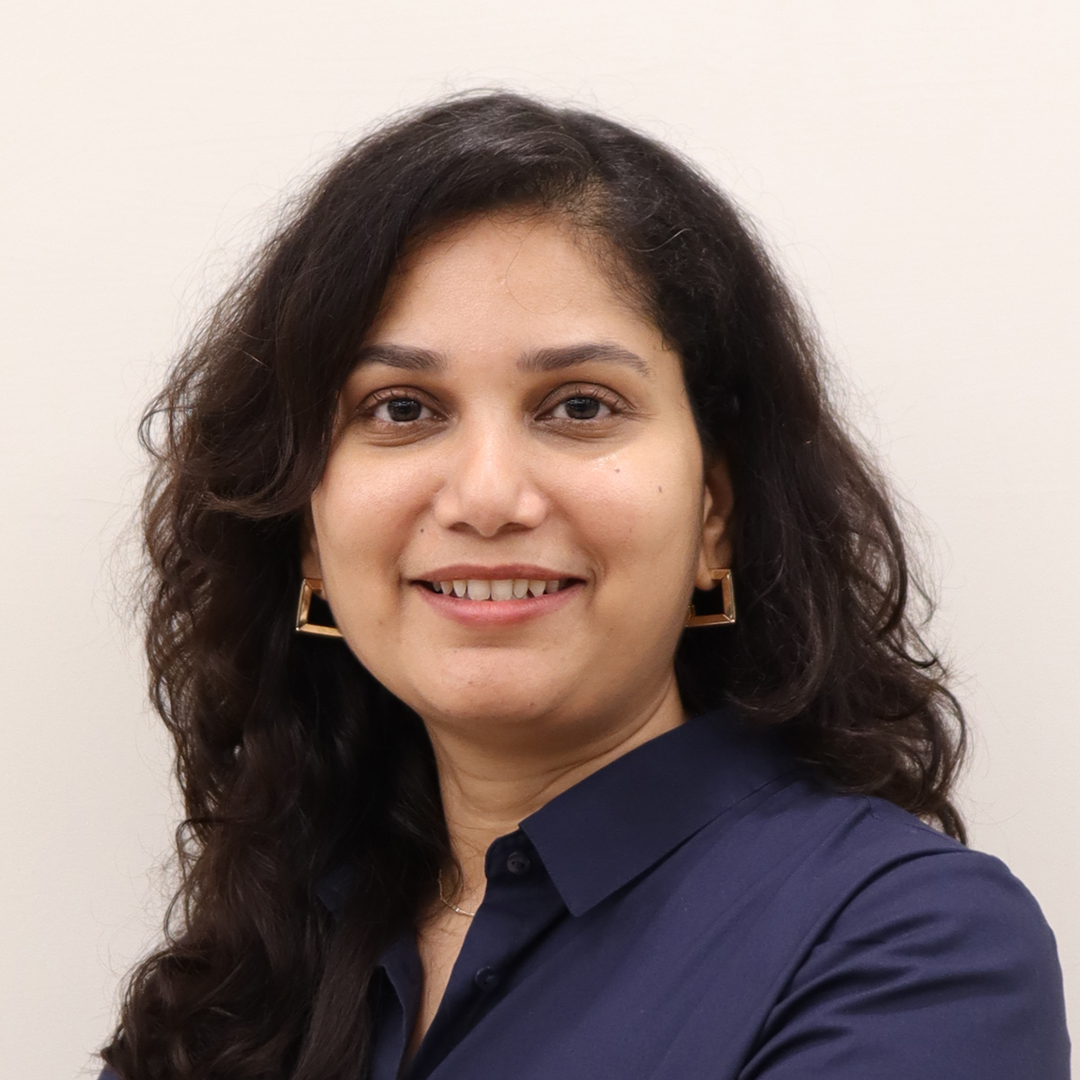
Dhaarini Srinivasan, Global Sustainability & CSR Lead at VDart and Chair of the Global Women Leadership Initiative (GWLI), where she drives the organisation’s global ESG and CSR vision and strategy. She is responsible for embedding sustainability into core business operations, advancing inclusive leadership, and leading high-impact community initiatives aligned with the United Nations Sustainable Development Goals (SDGs).
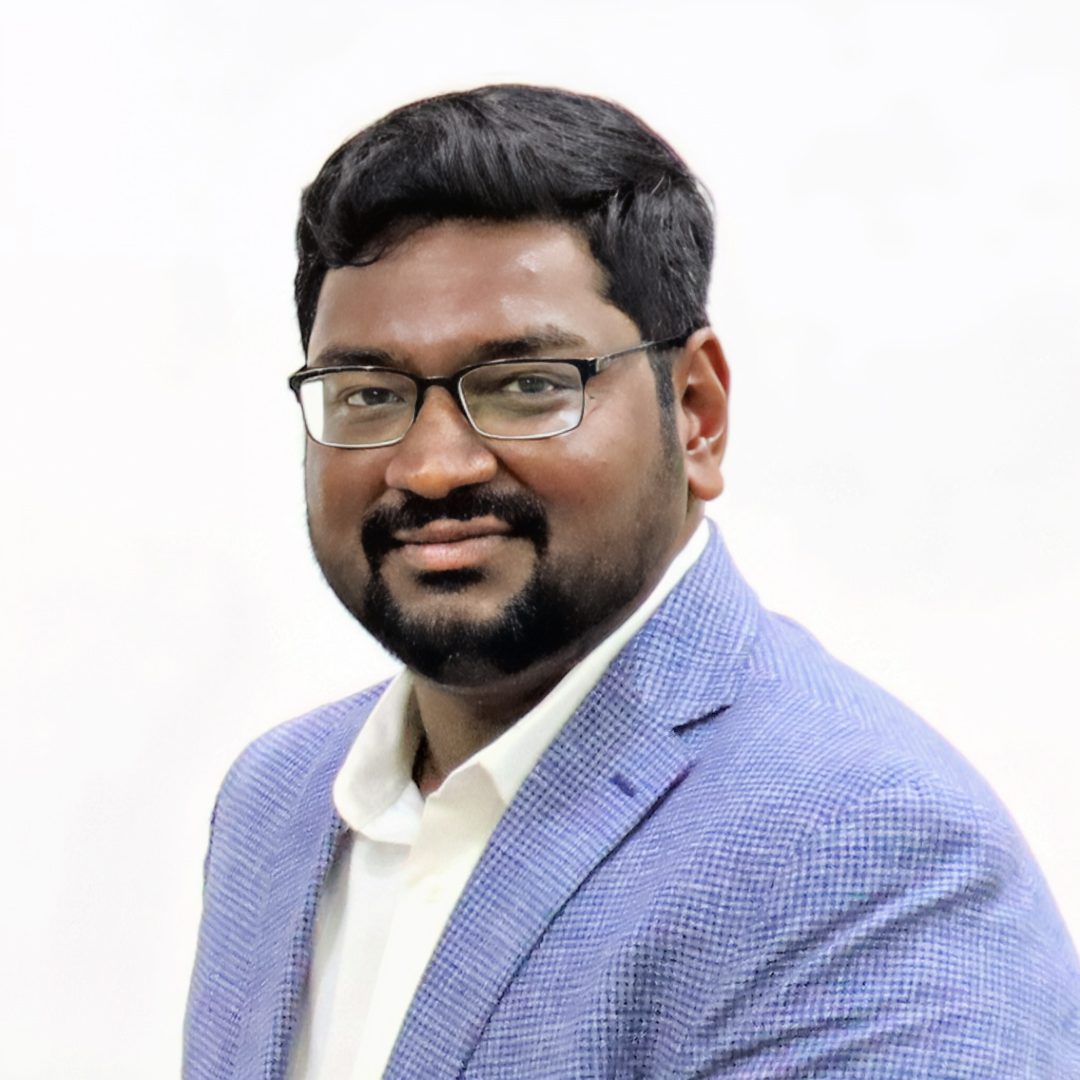
Oliver Sam currently serves as the Vice President and Global Chief Human Resources Officer (CHRO) of the VDart Group of Companies. In this capacity, he leads the Global Human Resources & Strategy function, with oversight spanning talent strategy, leadership development, organizational culture, ESG (Environmental, Social, and Governance) initiatives, and social impact. He functions as the Talent Partner to the CEO, serves as the Program Director for strategic initiatives, and acts as the principal liaison for Board-level engagement.







Very well put article. Role of CHRO has evolved to take care of ESG agendas and this is a very positive move.